
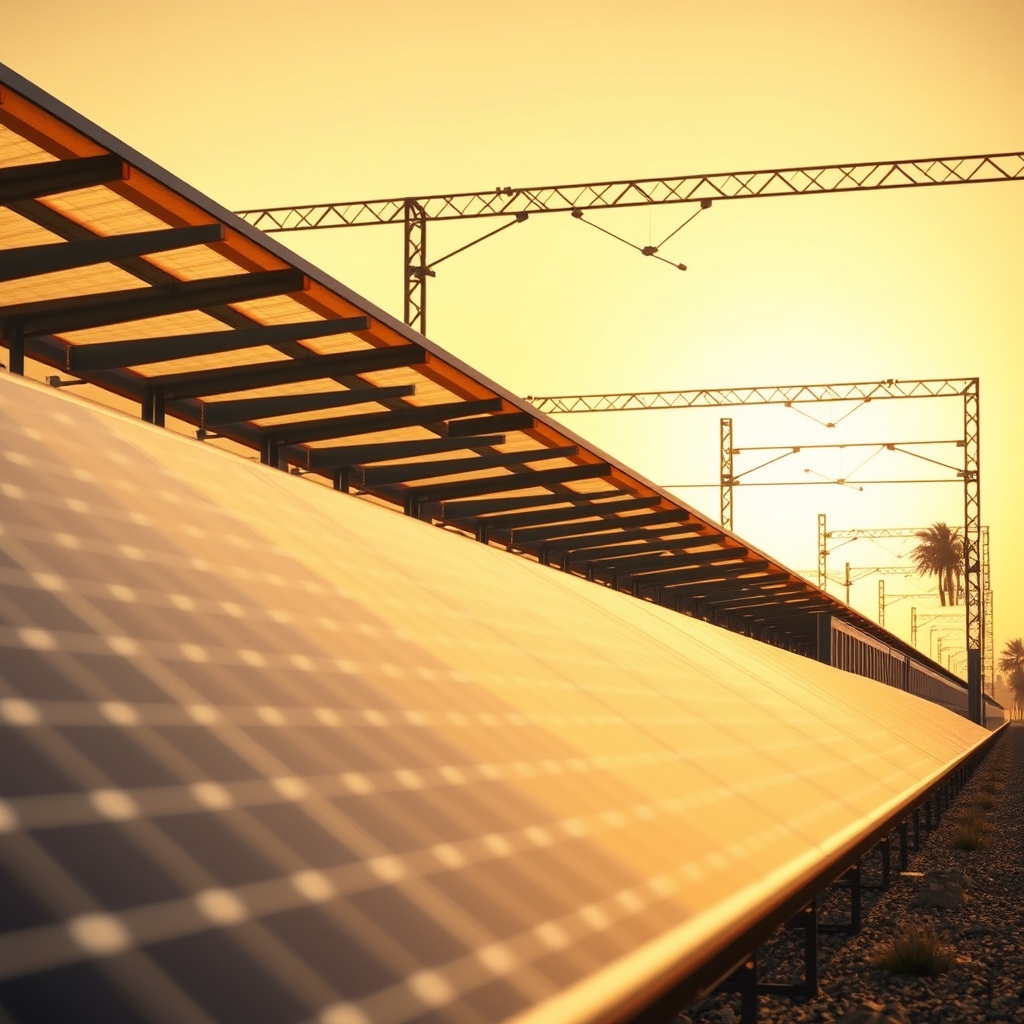
The United Arab Emirates has officially launched its first national passenger rail network, a landmark infrastructure programme aimed at reshaping inter‑city mobility while advancing the nation’s sustainability goals. By connecting Dubai, Abu Dhabi, Sharjah, Al Ain and other key hubs, the system is expected to divert a significant share of car and bus traffic, reduce carbon output and create a modern transport corridor that supports both commuters and freight operators.
Strategic Benefits for the UAE Economy
The rail line is projected to generate AED 14.8 billion in direct economic activity over the next decade, according to the Ministry of Transport. Construction contracts have already mobilised more than 30,000 skilled workers, many of whom are Emiratis trained under the government’s nationalisation programme. Once operational, the network will enable faster business trips between the country’s commercial centres, cutting average travel time by up to 45 percent compared with highway routes.
Beyond the immediate boost to construction and logistics, the railway is positioned as a catalyst for broader diversification. Real‑estate developers are planning mixed‑use precincts around new stations, blending residential, retail and office spaces in transit‑oriented designs. These hubs are expected to attract foreign direct investment, particularly from firms seeking a low‑carbon supply chain for their regional operations.
Environmental Impact and Green Technology
A core pillar of the project is its contribution to the UAE’s climate‑action commitments. The electric trains will draw power from the national grid, which is increasingly supplied by solar and nuclear sources. Early estimates suggest the rail system could cut 1.2 million tonnes of CO₂ annually, equivalent to removing roughly 250,000 passenger cars from the roads.
The rolling stock incorporates regenerative braking, a technology that recovers kinetic energy during deceleration and feeds it back into the power system. In addition, the tracks are equipped with smart sensors that monitor vibration, temperature and wear, enabling predictive maintenance that extends asset life and reduces material waste.
Integration with Regional and Global Networks
While the initiative is anchored in the UAE, its design aligns with broader Gulf connectivity plans. The rail corridor includes provisions for future links to Saudi Arabia’s high‑speed network, creating a seamless Gulf‑wide passenger corridor that could rival air travel on short‑haul routes. Such integration would enhance the competitiveness of the GCC as a hub for business tourism and trade.
On the technology front, the project has partnered with several international firms specializing in digital signalling and autonomous train control. These collaborations bring advanced AI‑driven traffic management systems to the region, promising higher punctuality rates and the ability to scale capacity without extensive physical expansion.
What to Watch
The rail network’s success will hinge on several factors. First, the speed and cost‑effectiveness of the fare structure will determine rider adoption, especially among price‑sensitive commuters. Second, the timely rollout of ancillary services, such as last‑mile electric shuttles and integrated ticketing platforms, will be essential to deliver a truly seamless travel experience. Finally, the ability to maintain low operating emissions as the national grid’s renewable share grows will be a key metric for the UAE’s sustainability agenda.
If these elements align, the national passenger rail could become a benchmark for sustainable transport in the Middle East, encouraging other Gulf states to accelerate similar projects and reinforcing the UAE’s reputation as a forward‑looking, low‑carbon economy.