
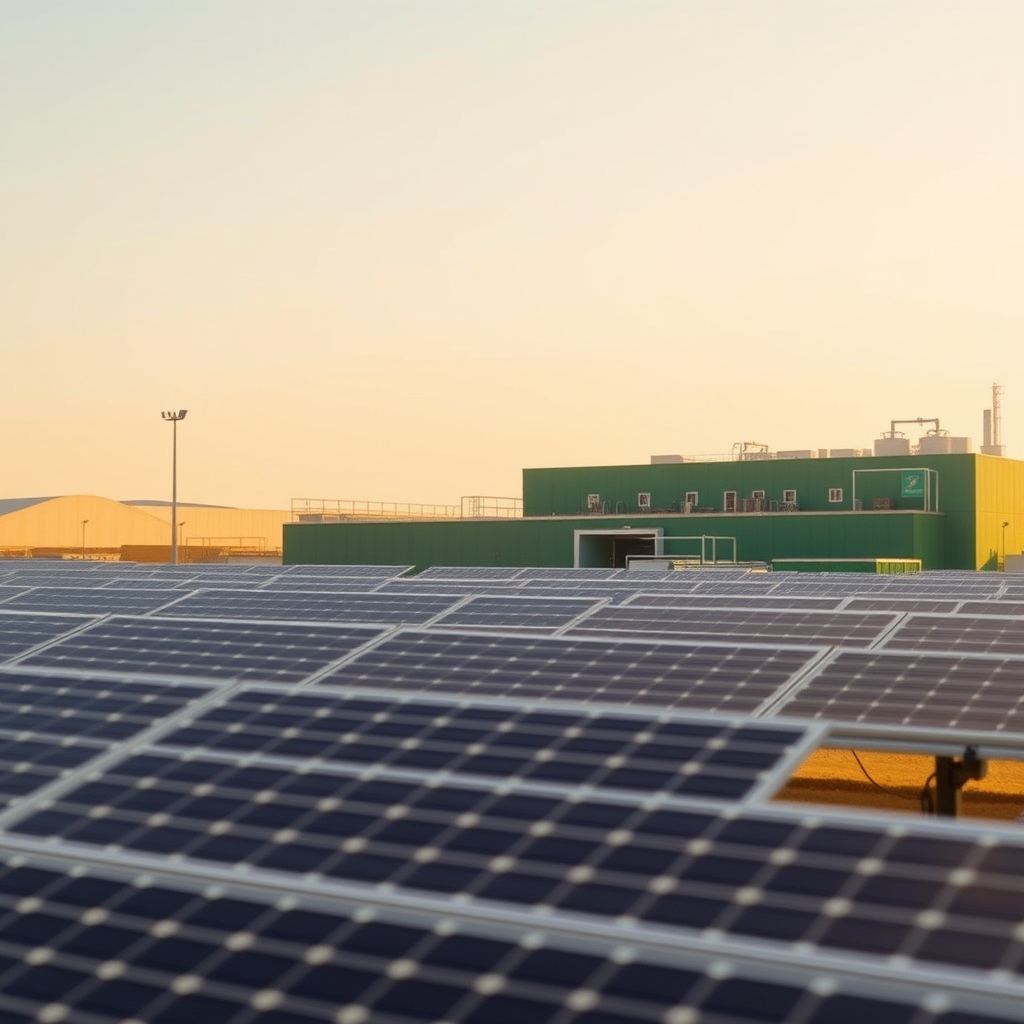
The commissioning of the Taweelah C power station marks a pivotal step for the UAE’s electricity infrastructure. With a capacity of 2.6 GW, the combined‑cycle facility adds a substantial buffer to the national grid, helping utilities meet peak‑demand spikes while supporting the country’s clean‑energy targets. Analysts see the plant as a strategic asset that strengthens supply security and reduces reliance on older, less efficient generation units.
Enhancing Grid Flexibility
Taweelah C employs advanced gas‑turbine technology that can transition from standby to full output in a matter of minutes. This rapid response capability is crucial for a grid that is increasingly fed by intermittent solar and wind power. By providing fast‑acting baseload support, the plant smooths out fluctuations, preventing voltage dips and frequency deviations that could otherwise strain the system.
Key benefits include:
- Quick start‑up , the plant can reach full capacity in under ten minutes, far faster than traditional coal or nuclear stations.
- Lower carbon intensity , modern turbines achieve higher thermal efficiency, cutting CO₂ emissions per megawatt‑hour compared with legacy gas plants.
- Hybrid operation , the facility is designed to work alongside battery storage and renewable farms, enabling coordinated dispatch that maximises overall system efficiency.
These attributes align with the UAE’s broader energy roadmap, which aims to increase the share of clean electricity to 50 % by 2030. By filling the gap between variable renewable output and steady demand, Taweelah C helps the Emirates avoid curtailment of solar generation and reduces the need for costly import of electricity from neighbouring markets.
Economic and Sustainability Impact
Beyond technical advantages, the plant delivers measurable economic value. Siemens Energy reports that the project will generate approximately AED 1.2 billion in annual operating revenue for local partners, while creating over 300 skilled jobs during the construction and commissioning phases. The long‑term operation is expected to sustain a workforce of around 150 technicians and engineers, fostering expertise in high‑efficiency gas‑turbine maintenance.
From an environmental perspective, the plant’s design incorporates low‑NOx combustion technology and water‑recycling systems that minimise resource consumption. The UAE’s Ministry of Climate Change and Environment has highlighted the project as a model for “clean transition” , a term that reflects the balance between reliable power and emission reduction.
The investment also signals confidence from international equipment suppliers in the UAE’s regulatory framework. Siemens Energy secured a multi‑year service contract that includes digital monitoring, predictive analytics and remote diagnostics. These services are powered by the company’s AI‑driven asset‑management platform, which promises to extend turbine life and lower maintenance costs through condition‑based interventions.
What to Watch Next
The Taweelah C plant will reach full commercial operation by the end of 2026. Stakeholders will be monitoring several indicators:
- Grid performance metrics , frequency stability and reserve margins will reveal how effectively the plant integrates with solar farms in the Abu Dhabi and Dubai regions.
- Emission reporting , quarterly data will show whether the plant meets its projected CO₂ reduction targets relative to older gas units.
- Market response , electricity price trends in the UAE’s wholesale market may reflect the added supply flexibility, potentially lowering peak‑hour tariffs for industrial consumers.
If the facility delivers on its promises, it could set a benchmark for future combined‑cycle projects across the GCC, encouraging other operators to adopt similar high‑efficiency technologies. The success of Taweelah C may also accelerate the rollout of hybrid solutions that pair gas turbines with emerging storage options, further decarbonising the region’s power sector while safeguarding reliability.
In summary, Siemens Energy’s 2.6 GW Taweelah C plant offers the UAE a robust tool to manage the evolving energy mix. Its fast‑start capability, lower emissions profile and digital support framework position it as a cornerstone of the Emirates’ transition toward a more resilient and sustainable electricity network.