
The recent bottlenecks affecting petrochemical feedstock, logistics and critical components have exposed vulnerabilities in the Middle East’s emerging hydrogen supply chain. In response, the United Arab Emirates is accelerating a review of its hydrogen roadmap, seeking to safeguard investments and keep the country on track to become a regional clean‑energy hub.
Supply‑Chain Shock and Its Immediate Impact
Mid‑year reports from ports in Abu Dhabi and Fujairah highlighted delays in the delivery of electrolyser modules, high‑purity water treatment units and specialized steel tubing. The disruptions stemmed from a combination of labor shortages, unexpected customs hold‑ups and a temporary shutdown of a key trans‑shipment hub in Saudi Arabia.
- Project timelines: Several flagship projects, including the Al Mansoori green‑hydrogen plant and the Dubai‑based blue‑hydrogen pilot, now face a 6‑to‑12‑month postponement.
- Cost pressure: Import‑related price spikes have added roughly 15 % to the capital expenditure estimates for new electrolyser installations.
- Investor sentiment: While long‑term confidence remains high, short‑term financing rounds are being renegotiated to accommodate the higher cost base.
The UAE’s Ministry of Industry and Advanced Technology (MoIAT) has convened a task force to map out alternative sourcing routes and to explore domestic manufacturing options for critical components. The aim is to reduce reliance on single‑point imports and to build a more resilient supply network that can weather regional disruptions.
Diversifying the Hydrogen Value Chain
A key pillar of the revised strategy is the development of a localized component ecosystem. The Emirates is courting manufacturers from Europe and East Asia to set up joint‑venture assembly lines within free zones such as the Dubai Airport Freezone (DAFZA) and the Abu Dhabi Global Market.
- Electrolyser production: Early‑stage talks suggest that a German‑based electrolyser maker could establish a pilot line in Abu Dhabi, leveraging existing industrial infrastructure and skilled labour pools.
- Water‑purification technology: Partnerships with Israeli and Japanese firms are being explored to secure on‑site high‑purity water solutions, a critical input for green‑hydrogen generation.
- Steel and piping: The UAE is encouraging downstream steel producers in the GCC to adopt advanced alloy formulations that meet the stringent standards required for high‑pressure hydrogen transport.
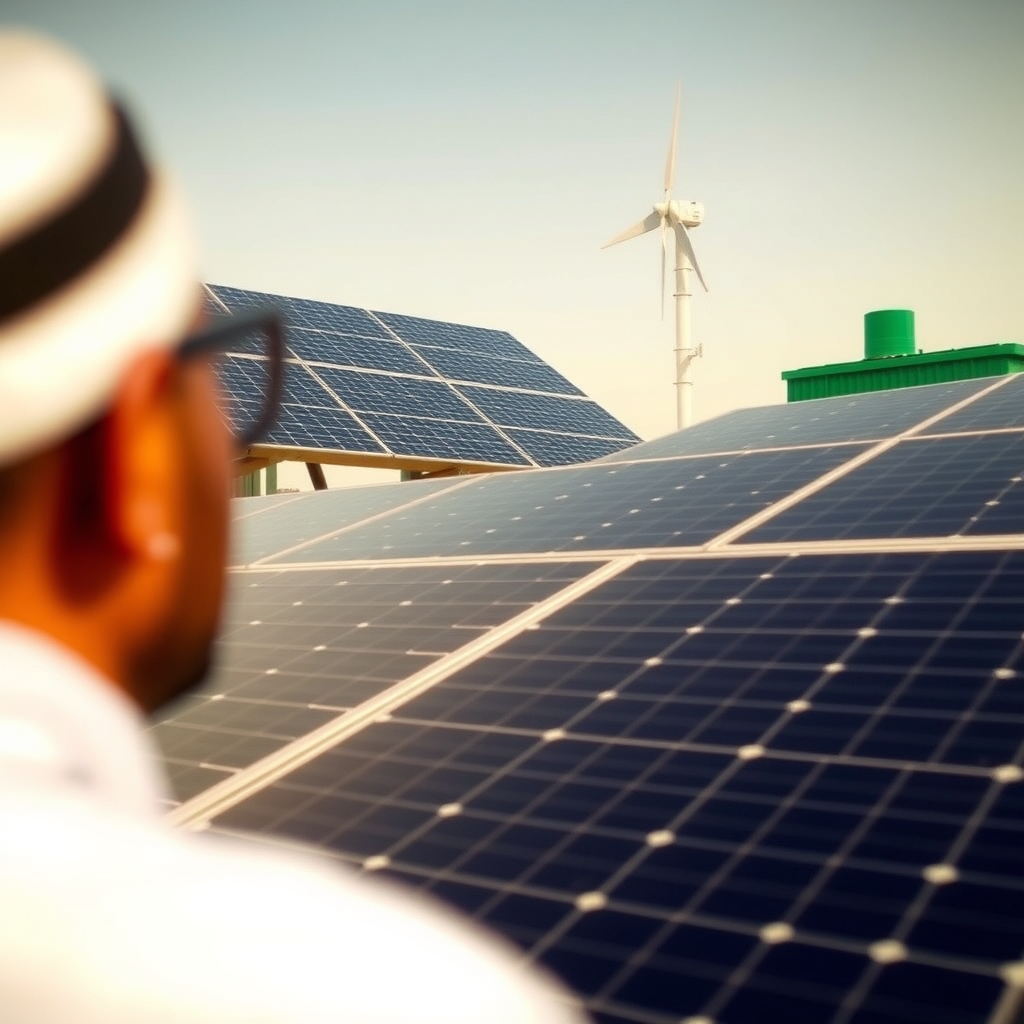
In parallel, the government is expanding incentives for renewable electricity generation, recognizing that cheap, abundant solar power is essential to keep green‑hydrogen costs competitive. New feed‑in tariffs and streamlined licensing procedures are expected to double the installed solar capacity by 2029, providing a stable power base for future electrolyser farms.
Market Outlook and Policy Signals
Regulatory adjustments are also on the table. MoIAT is reviewing the current hydrogen certification framework to align it with emerging international standards, which could simplify export procedures to Europe and Asia. Additionally, the UAE’s sovereign wealth funds are earmarking an extra AED 2 billion for hydrogen‑related research and development, focusing on storage solutions and fuel‑cell integration.
Analysts note that the supply‑chain shock, while disruptive, may ultimately accelerate the region’s transition to a more self‑sufficient hydrogen ecosystem. By fostering local production and diversifying import routes, the UAE can mitigate future risks and position itself as a reliable supplier to global markets seeking low‑carbon energy.
What to watch: Over the next 12 months, the rollout of domestic electrolyser assembly lines and the finalisation of new solar‑to‑hydrogen projects will be critical indicators of the UAE’s ability to stay on schedule. Investors will be closely monitoring the pace of policy reforms, the depth of private‑sector participation, and the evolution of export corridors to Europe and South Asia. A successful recalibration could reinforce the UAE’s ambition to lead the GCC’s hydrogen economy while delivering tangible economic and environmental returns.