
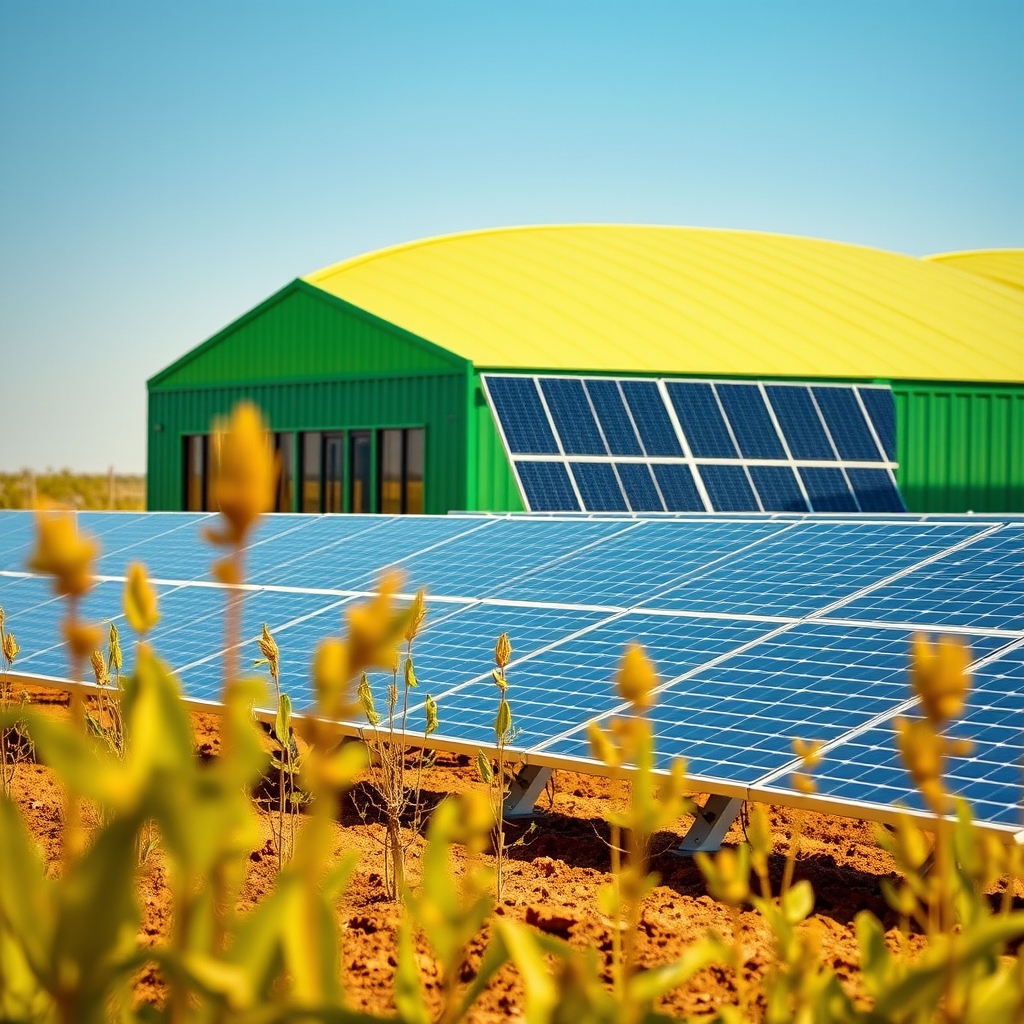
The Abu Dhabi Fund for Development (ADFD) has committed significant resources to a sustainable agriculture programme in Karakalpakstan, a remote region of Uzbekistan. The project, known as the Agricultural Systems Development Project (ASDP), targets water‑scarce farming communities with modern, climate‑resilient techniques. By introducing precision irrigation, soil‑health monitoring and market‑linkage support, the initiative seeks to raise productivity, protect the Aral Sea basin and demonstrate the UAE’s growing role in exporting green expertise.
Project Scope and UAE Contributions
ADFD’s involvement goes beyond financing. The fund has partnered with local authorities, international research institutes and UAE‑based agritech firms to deliver a comprehensive package:
- Infrastructure upgrades , installation of solar‑powered drip‑irrigation networks covering 15,000 hectares.
- Capacity building , training programmes for 3,000 farmers on water‑saving practices, crop rotation and post‑harvest handling.
- Digital tools , deployment of satellite‑based monitoring platforms that provide real‑time data on soil moisture and pest pressure.
- Market access , creation of a regional hub that aggregates produce for export to Gulf markets, leveraging UAE logistics corridors.
These elements reflect a broader UAE strategy to position itself as a hub for sustainable technology transfer. By embedding local knowledge with Emirati innovation, the ASDP aims to generate a replicable model for other arid zones across the Middle East and Central Asia.
Economic and Environmental Impact
Early pilot trials have already shown promising results. According to ADFD’s project team, water consumption per hectare has dropped by 30 percent compared with conventional flood irrigation, while wheat yields have risen by roughly 18 percent. The reduction in water use directly supports the restoration efforts for the shrinking Aral Sea, a long‑standing environmental challenge for the region.
From an economic perspective, higher yields translate into increased household income for participating families. The project estimates that average farmer earnings could climb by AED 12,000‑15,000 annually once the full suite of interventions is operational. Moreover, the export‑oriented hub is expected to add AED 45 million in annual trade volume between Uzbekistan and the GCC, reinforcing the UAE’s role as a logistics gateway.
Alignment With UAE Sustainable Development Goals
The ASDP aligns closely with several UAE‑driven sustainability objectives:
- Food security , diversifying the source of staple crops reduces reliance on imports and stabilises regional supply chains.
- Climate resilience , adoption of solar‑powered irrigation and data‑driven agronomy cuts greenhouse‑gas emissions associated with diesel‑driven pumps.
- Knowledge economy , the partnership creates opportunities for Emirati agritech firms to test and scale solutions in real‑world conditions, feeding back into the domestic innovation pipeline.
By embedding these goals into a single programme, the UAE demonstrates how foreign development assistance can simultaneously advance environmental stewardship and commercial interests.
What to Watch
The success of the Karakalpakstan initiative will be measured by several key indicators over the next 24 months:
- Water‑use efficiency , tracking reductions against baseline figures released by the Uzbek Ministry of Agriculture.
- Yield stability , monitoring whether gains are maintained across variable climate conditions.
- Trade flows , assessing the volume of agricultural exports routed through UAE ports and free‑zone facilities.
If the project meets its targets, it could serve as a blueprint for similar collaborations in other water‑limited regions, such as southern Saudi Arabia or the Sahel. Investors and policymakers will likely watch closely for opportunities to replicate the model, potentially unlocking new streams of foreign direct investment into the UAE’s agritech sector.
In sum, the Agricultural Systems Development Project illustrates how the UAE can leverage its financial muscle, technological know‑how and strategic location to drive sustainable growth beyond its borders. The initiative not only promises tangible benefits for Karakalpakstan’s farmers but also reinforces the Emirates’ reputation as a catalyst for climate‑smart development in the wider region.