
The UAE’s meteorological authority has issued a four‑month outlook indicating that the El Niño phenomenon will drive higher temperatures and above‑average precipitation from July to November. While the forecast is a climate story, its ripple effects touch construction sites, water‑utility operators, energy providers and sectors that depend on stable weather patterns.
Construction and Infrastructure Adjustments
The construction industry, a pillar of the UAE’s diversification strategy, must now factor in a longer window of heat‑related delays and the possibility of sudden downpours. Historically, projects in Dubai and Abu Dhabi schedule intensive outdoor work during the cooler months of October to March. A hotter, wetter summer compresses that window, forcing contractors to:
- Re‑sequence critical path activities to avoid peak heat hours.
- Deploy additional site‑level drainage and water‑pumping equipment to manage unexpected rain.
- Re‑evaluate concrete curing schedules, as higher humidity can accelerate setting times but also increase the risk of surface cracking.
Developers are already revisiting Gantt charts for mega‑projects such as the Dubai Harbour expansion and the Abu Dhabi International Airport Phase 2. By integrating real‑time weather data into project‑management software, firms hope to minimise cost overruns that historically average 5‑7 % when weather disruptions occur.
Water Management and Utility Planning
The UAE’s water‑security strategy, heavily reliant on desalination, stands to gain a modest boost from increased rainfall. The forecast suggests that total rainfall could rise by 15‑20 % compared to the long‑term average for the July‑November period. While the absolute volume remains modest relative to the nation’s demand, every drop counts in a region that imports virtually all its freshwater.
Key actions for the water sector include:
- Scaling up temporary storage capacity at reservoirs in Al Ain and Fujairah to capture surplus runoff.
- Adjusting desalination plant output schedules to reduce energy consumption during peak rainfall hours.
- Coordinating with the Ministry of Climate Change and Environment to issue public‑awareness campaigns encouraging water‑saving practices during the wetter spell.
These measures align with the UAE’s Vision 2030 goal of reducing per‑capita water consumption by 30 % while maintaining supply reliability for residential, industrial and agricultural users.
Energy Demand and Grid Resilience
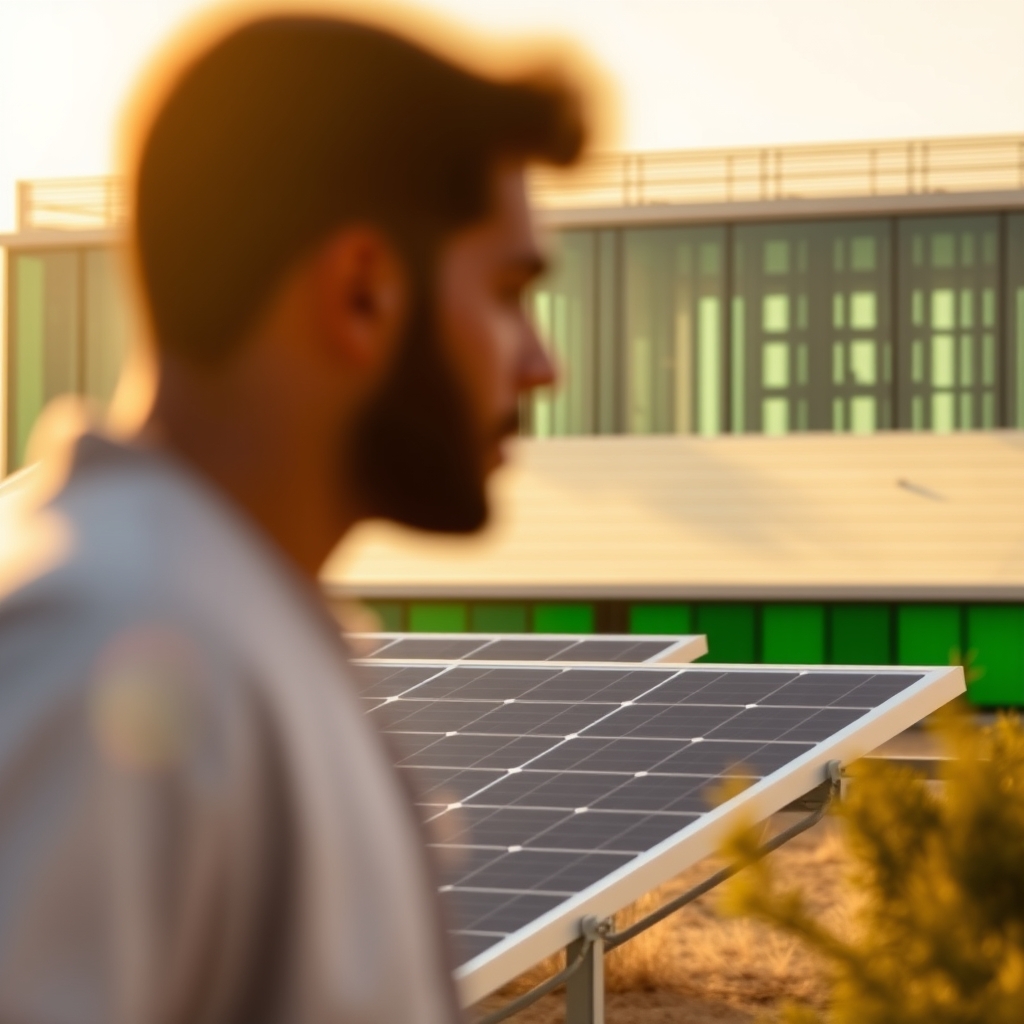
Higher temperatures typically push electricity demand upward as air‑conditioning usage spikes. Simultaneously, increased cloud cover and rain can modestly dampen solar‑panel efficiency, a concern for the UAE’s ambitious renewable‑energy targets. Grid operators, including the Dubai Electricity and Water Authority (DEWA), are therefore preparing a dual‑front response:
- Load‑shifting programmes that incentivise commercial customers to move non‑essential consumption to off‑peak periods, smoothing the demand curve.
- Enhanced reserve capacity from natural‑gas‑fired plants to offset any shortfall from solar farms during prolonged cloud cover.
Preliminary modelling by the Emirates Energy Authority suggests that the combined effect of heat and rain could raise peak demand by up to 3 % relative to a typical summer, while renewable output may dip by 1‑2 %. The net impact is manageable but underscores the need for flexible dispatch strategies.
Agricultural Outlook
Local farms, especially those cultivating dates and greenhouse vegetables in Al Wathba and Ras Al Khaimah, will experience a mixed bag. Warmer nights can accelerate growth cycles, yet excessive humidity may increase the incidence of fungal diseases. Agribusinesses are responding by:
- Investing in climate‑controlled greenhouse technologies that regulate temperature and humidity independently of external conditions.
- Expanding the use of drip‑irrigation systems that can be fine‑tuned based on real‑time soil‑moisture sensors, reducing water waste during sudden rain events.
These adaptations not only safeguard yields but also contribute to the UAE’s broader food‑security agenda, which aims to raise local production to 30 % of domestic demand by 2030.
What to Watch
Stakeholders should monitor the monthly updates from the UAE’s National Center of Meteorology, as El Niño patterns can evolve rapidly. Key indicators include:
- Shifts in the Southern Oscillation Index, which signal the strength of the El Niño episode.
- Real‑time river‑flow data from the Hatta and Wadi Bani Yas reservoirs, informing water‑storage decisions.
- Grid load‑forecast adjustments released by DEWA, highlighting any emerging supply‑demand gaps.
By staying ahead of these signals, businesses can fine‑tune operational plans, mitigate cost overruns and seize any opportunistic gains, such as lower desalination energy use during rain‑enhanced cooling periods. The coming months will test the UAE’s resilience, but proactive adaptation can turn a climate challenge into a catalyst for smarter, more sustainable operations.