
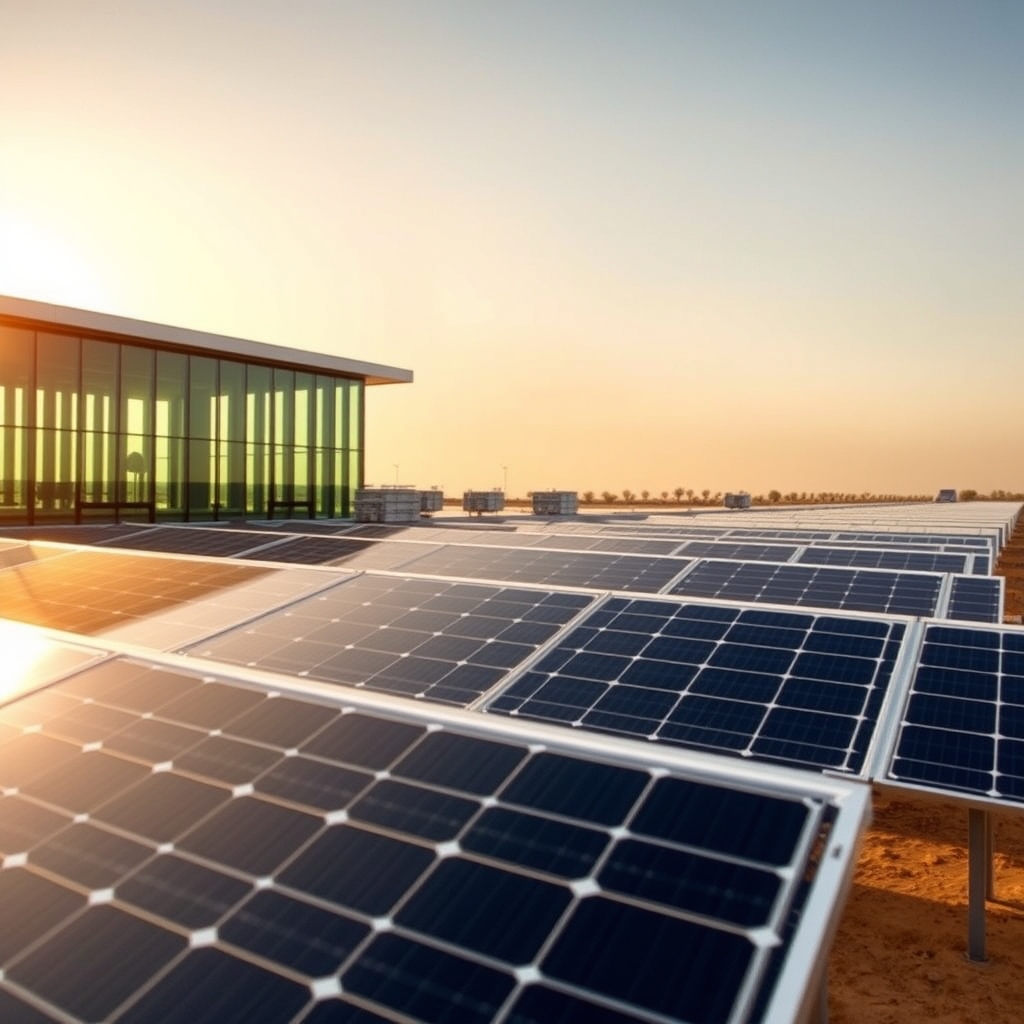
Masdar, the Abu Dhabi‑anchored renewable‑energy platform, has secured a 49.99 percent interest in a 705 megawatt (MW) portfolio of solar and wind assets located across Spain. The transaction, valued at $982 million, represents one of the largest overseas acquisitions by the UAE green‑energy champion in the past year. By entering the mature European market, Masdar not only diversifies its asset base but also positions itself to benefit from the region’s ambitious net‑zero targets and stable regulatory environment.
Strategic Rationale Behind the Investment
The Spanish portfolio, originally assembled by Spanish oil major Repsol, comprises a mix of utility‑scale solar farms and on‑shore wind projects that are already delivering power to the national grid. For Masdar, the deal offers several strategic advantages:
- Geographic diversification , Adding European capacity reduces reliance on the Middle‑East and North‑Africa markets, where policy shifts can affect project pipelines.
- Revenue stability , Spain’s long‑term power purchase agreements (PPAs) and feed‑in tariffs provide predictable cash flows, complementing Masdar’s growth‑oriented projects in emerging economies.
- Technology exposure , The assets feature advanced tracking systems and hybrid turbine designs that align with Masdar’s push toward higher‑efficiency renewable technologies.
Masdar’s chief investment officer highlighted that the acquisition aligns with the company’s “global clean‑energy portfolio” strategy, aiming to reach 50 GW of renewable capacity under management by 2030. The Spanish assets bring the firm’s total European exposure to roughly 2 GW, a figure that is expected to rise as the firm pursues further opportunities in the EU’s green‑energy transition.
Financial and Market Implications
The $982 million price tag translates to an implied enterprise value of about $1.4 billion for the full 705 MW portfolio, reflecting a valuation of roughly $2,000 per kilowatt. This multiple sits comfortably within the range observed for comparable European renewable assets in 2025‑2026, suggesting that Masdar paid a market‑aligned price while securing a sizable stake.
From a financing perspective, the transaction is being funded through a blend of Masdar’s internal cash reserves and a syndicated loan facility arranged by a consortium of European banks. The loan carries a weighted‑average interest rate of 3.2 percent, underscoring the continued appetite of lenders for green‑linked financing at favourable terms.
The deal also sends a clear signal to the broader investment community. As global capital continues to flow toward clean‑energy projects, Masdar’s move may encourage other Gulf sovereign wealth funds and private investors to explore similar cross‑border opportunities. Moreover, the acquisition could bolster Spain’s own renewable‑energy ambitions by injecting additional expertise and operational excellence into the local market.
Operational Outlook and Integration
Integrating the newly acquired assets into Masdar’s existing operational framework will be a priority over the next 12 months. The company plans to:
- Deploy its proprietary asset‑management platform to optimise performance monitoring and maintenance scheduling.
- Leverage its regional procurement network to secure cost‑effective turbine spare parts and solar panel replacements.
- Align the portfolio’s PPAs with Masdar’s corporate‑sustainability clients, expanding the pool of off‑take agreements beyond traditional utilities.
Early projections from Masdar’s analytics team indicate that the Spanish assets could generate an additional 1.8 million metric tons of CO₂‑equivalent emissions avoided each year. This contribution will be counted toward Masdar’s internal carbon‑neutrality targets and will enhance its reporting under emerging ESG standards such as the International Sustainability Standards Board (ISSB) framework.
What to Watch
The acquisition arrives at a time when Europe is tightening its renewable‑energy procurement rules and expanding its offshore wind ambitions. Observers will be watching how Masdar navigates the evolving policy landscape, particularly any adjustments to Spain’s renewable‑energy auction mechanisms that could affect future revenue streams.
Another key metric will be the performance of the hybrid solar‑wind sites, which are among the first of their kind to be bundled in a single portfolio. Successful operation could set a benchmark for similar mixed‑technology projects across the GCC, where Masdar is already piloting hybrid installations.
Finally, the financing structure may become a template for future green‑bond issuances by Gulf entities seeking to tap European capital markets. If Masdar can demonstrate robust returns and low‑carbon impact, it could accelerate the issuance of sustainability‑linked debt across the region.
In sum, Masdar’s near‑half stake in the Spanish renewable portfolio marks a decisive step toward a truly global clean‑energy presence. The deal not only expands the UAE firm’s asset base but also reinforces its reputation as a credible player in mature, regulated markets. As the world accelerates toward net‑zero, Masdar’s strategic positioning in Europe will likely influence both its own growth trajectory and the broader Gulf investment community’s appetite for overseas green assets.