
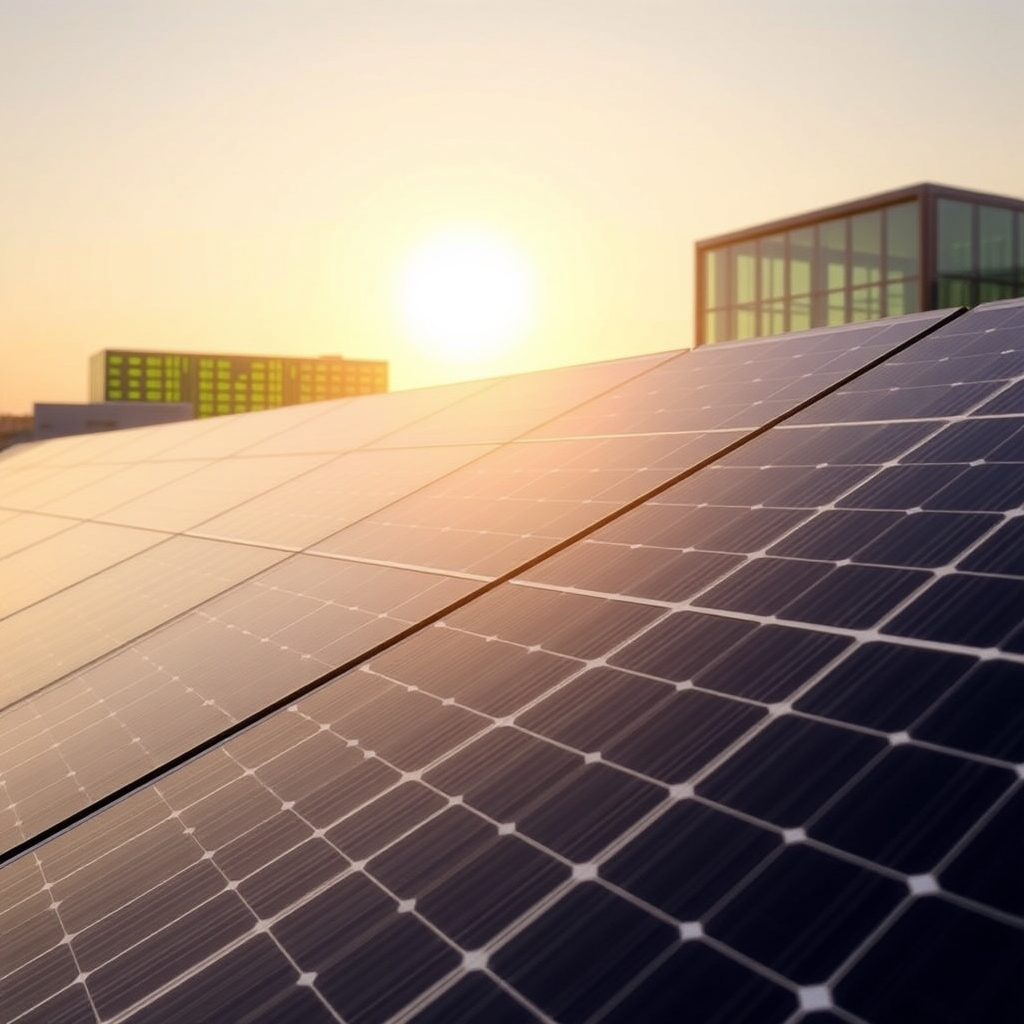
Masdar’s latest investment marks a significant step in the emirate’s strategy to diversify its energy holdings beyond the Middle East. By committing €849 million for a 25 percent stake in a 1.2 gigawatt (GW) renewable portfolio owned by Repsol in Spain, the Abu Dhabi‑based clean‑energy firm deepens its presence in the European market, where offshore wind and large‑scale solar projects are accelerating.
Strategic Rationale for Masdar
Masdar’s leadership has repeatedly highlighted the need to balance domestic renewable growth with international assets that offer stable cash flows and exposure to mature markets. The Spanish portfolio comprises a mix of on‑shore wind farms, utility‑scale solar parks and emerging offshore wind sites, providing a diversified generation mix that aligns with Masdar’s risk‑adjusted return targets.
Key considerations driving the deal include:
- Geographic diversification , Europe remains the world’s largest market for renewable capacity additions, and Spain’s regulatory framework offers long‑term power purchase agreements (PPAs) that secure revenue streams.
- Technology balance , The portfolio’s blend of wind and solar mitigates intermittency risk and showcases Masdar’s confidence in hybrid asset management.
- Scale advantage , At 1.2 GW, the assets are large enough to benefit from economies of scale in operations, maintenance and grid integration, while still being manageable within Masdar’s existing portfolio management structure.
Masdar’s CEO has indicated that the partnership with Repsol will also facilitate knowledge transfer, particularly in offshore wind development, an area where European expertise outpaces that of the Gulf region.
Implications for the Spanish Renewable Market
Repsol, a major integrated energy player, is reshaping its business model by divesting non‑core renewable assets to strategic partners. The €849 million injection provides Repsol with capital to fund new green projects and accelerate its own net‑zero roadmap.
The transaction is expected to:
- Boost investor confidence , Demonstrating that sovereign‑linked investors such as Masdar are willing to allocate substantial capital to Spain’s clean‑energy pipeline.
- Catalyze further foreign participation , Other Gulf sovereign wealth funds and sovereign‑linked entities may view this deal as a benchmark for entering the European market.
- Support Spain’s renewable targets , The added capital helps the country stay on track to meet its 2030 goal of 74 percent renewable electricity generation.
What This Means for the UAE Energy Landscape
While the UAE continues to expand its domestic solar capacity, the Masdar‑Repsol agreement signals a parallel ambition: to become a global hub for renewable investment and technology. The deal aligns with the UAE’s Vision 2031, which emphasizes sustainable growth, climate resilience and the development of a green finance ecosystem.
Potential ripple effects include:
- Increased green‑finance activity , The transaction could inspire more issuance of sustainability‑linked bonds and green sukuk in the UAE capital markets.
- Talent mobility , Engineers and project managers from Masdar may be seconded to Spanish sites, fostering cross‑border expertise that can be repatriated to future UAE projects.
- Supply‑chain opportunities , Local manufacturers of solar modules, wind‑turbine components and O&M services could explore export channels to Europe, leveraging the partnership as a credibility boost.
Looking Ahead
The partnership is set to close in the fourth quarter of 2026, after regulatory approvals in both jurisdictions. Observers will watch how Masdar integrates the Spanish assets into its broader portfolio, particularly regarding performance monitoring and the application of digital tools for asset optimisation.
Future market signals to monitor include:
- Policy shifts in the EU , Any changes to subsidy regimes or grid‑access rules could affect the profitability of the acquired assets.
- Renewable price trends , Falling solar and wind generation costs may improve the return profile, while electricity market volatility could pose challenges.
- Further Gulf‑Europe collaborations , A successful integration could pave the way for larger joint ventures, possibly extending into emerging technologies such as green hydrogen.
In sum, Masdar’s €849 million stake in Repsol’s Spanish renewable portfolio underscores a growing appetite among Gulf investors for high‑quality, low‑carbon assets abroad. By blending strategic capital deployment with technology sharing, the deal not only strengthens Masdar’s global footprint but also reinforces the UAE’s ambition to be a leading player in the worldwide transition to clean energy.