
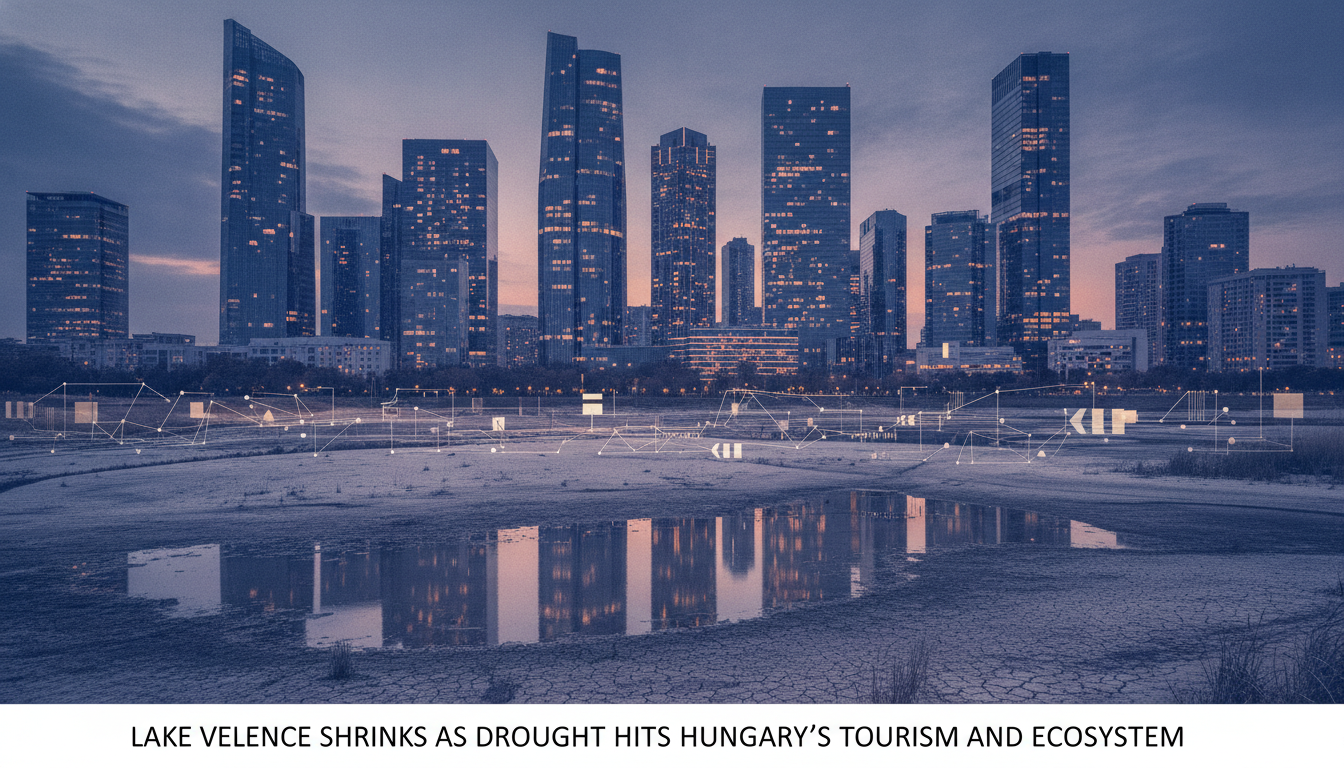
Lake Velence, one of Hungary’s most visited leisure spots, is receding faster than any recorded episode in recent decades. Satellite images and on‑the‑ground measurements show water levels dropping by more than 30 percent since the start of 2025. The decline threatens the lake’s summer‑season beach resorts, bird‑watching sites and the surrounding agricultural belt that depends on its irrigation supply.
The rapid shrinkage is linked to a multi‑year drought that has pushed average temperatures above historic norms and reduced rainfall across the Carpathian Basin. With the Danube‑Balaton region already grappling with water scarcity, Velence’s plight underscores how climate variability can quickly translate into tangible economic losses for tourism‑dependent communities.
Economic Ripple Effects for the Tourism Sector
- Revenue contraction , Hotels, cafés and water‑sport operators around the lake reported a 20‑25 percent dip in bookings compared with the same period last year.
- Employment pressure , Seasonal staff, many of whom are young locals, face reduced hours or outright layoffs as visitor numbers fall.
- Real‑estate impact , Property values in lakeside districts have softened, prompting some investors to reconsider further development.
These trends mirror challenges seen in other European lake regions, where drought‑driven water‑level drops have forced municipalities to cut back on promotional events and invest in costly artificial water‑supplementation schemes. For the UAE, which relies heavily on artificial lakes and coastal attractions to diversify its tourism portfolio, Velence offers a cautionary example of how climate stress can erode hard‑won visitor confidence.
Environmental Consequences and Biodiversity Risks
Lake Velence is a designated Natura 2000 site, home to over 200 bird species, including several that breed exclusively in its reed beds. The drying shoreline has already led to:
- Loss of nesting habitats , Reed reduction limits safe breeding grounds for species such as the great reed warbler and the black‑tailed godwit.
- Water‑quality deterioration , Lower volumes concentrate pollutants, encouraging algal blooms that deplete oxygen and threaten fish populations.
- Invasive species spread , Stressed ecosystems become more vulnerable to non‑native plants that outcompete native flora.
Conservation groups warn that if water levels do not stabilize before the next winter, the lake could cross a critical ecological threshold, making recovery far more difficult even after rainfall returns.
Policy Responses and Water‑Management Strategies
Hungarian authorities have rolled out a mix of short‑term and long‑term measures:
1. Emergency water transfers , Pumping water from nearby reservoirs to maintain a minimum lake depth for tourism activities.
2. Restrictions on irrigation , Temporary limits on agricultural water withdrawal to prioritize ecological flow.
3. Investment in rain‑water capture , Expanding catchment basins and modernizing drainage networks to store excess runoff during sporadic rain events.
These actions reflect a broader European shift toward integrated water‑resource planning, where tourism, agriculture and nature conservation are balanced under a single governance framework. For Gulf states, the approach highlights the value of diversified water‑sourcing, combining desalination, reclaimed water and strategic storage, to buffer against climate‑induced supply shocks.
Lessons for the UAE and GCC Markets
While the UAE’s climate differs markedly from Hungary’s temperate zone, the underlying business implications are comparable:
- Tourism resilience , Iconic attractions that rely on water, such as Dubai’s beachfront resorts and Abu Dhabi’s mangrove tours, must embed contingency plans for water scarcity, including alternative entertainment offerings and dynamic pricing models.
- Sustainable water budgeting , Aligning water allocation with economic priorities can safeguard high‑value sectors without compromising long‑term environmental health.
- Data‑driven forecasting , Leveraging satellite monitoring and AI‑based climate models can provide early warnings, enabling operators to adjust marketing campaigns and operational logistics before visitor sentiment turns negative.
By studying Velence’s response, UAE decision‑makers can refine their own water‑security roadmaps, ensuring that rapid climate shifts do not undermine the diversification goals set out in Vision 2030.
Looking Ahead
The coming months will test whether Hungary’s emergency measures can stabilize lake levels before the next tourist season. Analysts will watch water‑level data, rainfall forecasts and the effectiveness of artificial replenishment projects. For investors and policymakers in the UAE, the story reinforces the importance of proactive water‑management in protecting both natural assets and revenue streams. As climate patterns become increasingly erratic worldwide, the ability to anticipate and mitigate water‑related risks will be a decisive factor in the competitiveness of tourism‑heavy economies.