
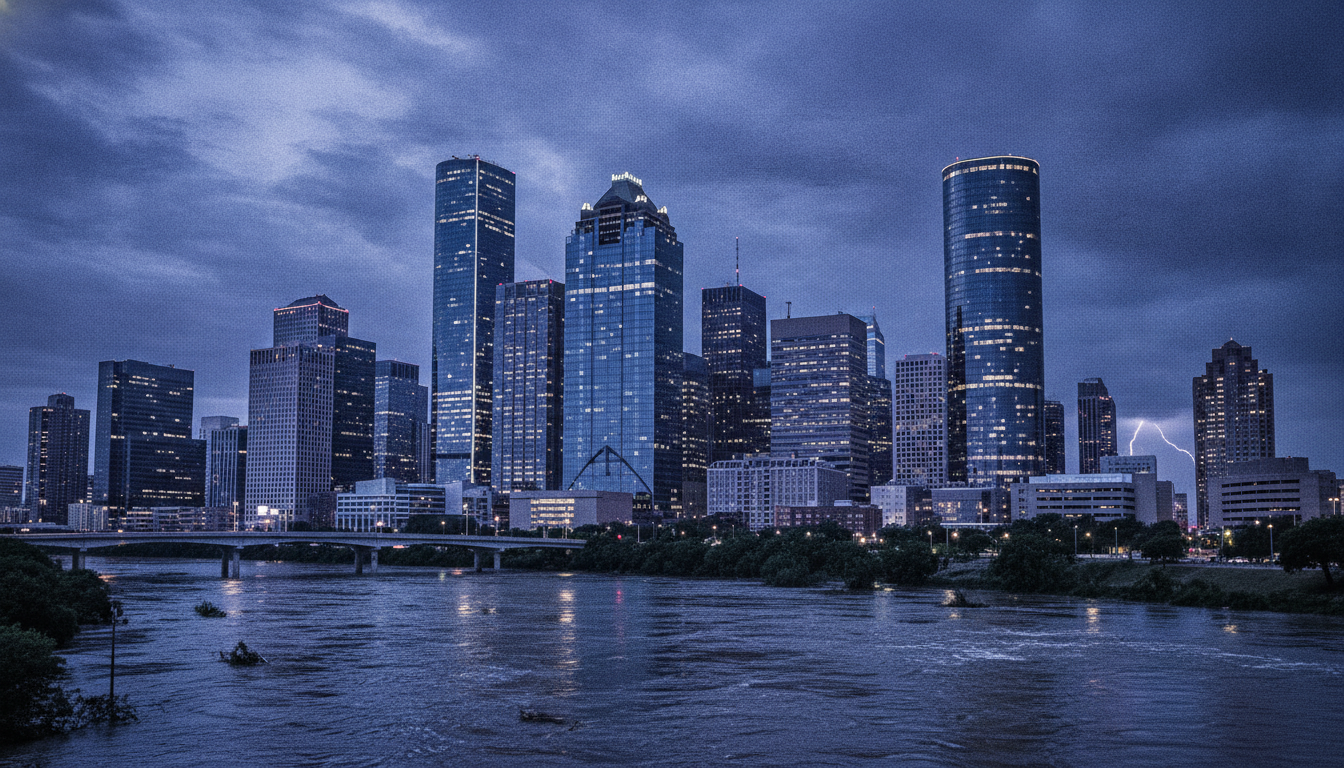
The recent flash flood emergency that swept through parts of Texas serves as a stark reminder of the escalating economic risks posed by extreme weather phenomena globally. While localized to the Southern USA, the incident reflects a broader trend impacting businesses, infrastructure, and communities worldwide. Such events disrupt supply chains, damage critical assets, and impose significant financial burdens on both public and private sectors, necessitating a re-evaluation of resilience strategies and investment priorities.
The immediate aftermath of a major flood often brings widespread business interruption. Roads become impassable, utilities are compromised, and commercial operations cease, leading to immediate revenue losses. For small and medium-sized enterprises (SMEs), which often lack extensive contingency plans or financial reserves, these disruptions can be catastrophic, sometimes leading to permanent closure. Larger corporations, while potentially more resilient, face substantial costs related to property damage, inventory loss, and the complex logistics of resuming operations in affected areas. The agricultural sector, a significant component of Texas's economy, is particularly vulnerable, with crop damage and livestock losses directly impacting livelihoods and regional food supply chains. Beyond the direct damage, the ripple effects can extend through the economy, affecting employment, consumer spending, and investor confidence in the region.
The Rising Cost of Climate Risk
The financial sector, particularly the insurance industry, is at the forefront of absorbing these increasing costs. Flash floods and other severe weather events lead to a surge in claims, straining insurers' capacities and potentially driving up premiums for businesses and homeowners in high-risk zones. This trend forces a re-evaluation of risk models and underwriting practices, as historical data may no longer accurately predict future losses in a changing climate. Reinsurance markets also feel the pressure, as they provide a backstop for primary insurers, leading to a global recalibration of catastrophe risk pricing. For businesses, this translates into higher operational costs and a greater imperative to invest in preventative measures and robust risk management frameworks. The long-term economic impact includes not only the direct costs of repair and recovery but also the opportunity cost of diverted capital that could otherwise be invested in growth and innovation.
Building Resilience and Future Preparedness
In response to these recurring challenges, there is a growing emphasis on building more resilient infrastructure and implementing proactive disaster preparedness strategies. This involves significant investment in flood defenses, improved drainage systems, and the modernization of utility networks to withstand extreme conditions. For businesses, developing comprehensive business continuity plans is no longer optional but a critical component of operational strategy. These plans encompass everything from data backup and remote work capabilities to supply chain diversification and emergency communication protocols. Public-private partnerships play a crucial role in these efforts, combining government resources for large-scale infrastructure projects with private sector expertise in technology and risk management. Innovations in early warning systems, predictive analytics, and climate modeling are also becoming indispensable tools for mitigating the impact of future events, allowing for timely evacuations and asset protection.
The Texas floods serve as a potent case study for global businesses and policymakers grappling with the economic ramifications of intensifying extreme weather. As climate patterns shift, the frequency and severity of such events are projected to increase, making climate resilience a central pillar of economic stability and sustainable development. Companies are increasingly integrating climate risk into their strategic planning, assessing vulnerabilities across their operations and supply chains. Investors, too, are scrutinizing corporate climate disclosures and favoring businesses that demonstrate strong environmental, social, and governance (ESG) performance, including robust climate adaptation strategies. The global economy's interconnectedness means that localized disasters can have far-reaching consequences, underscoring the universal need for proactive measures and collaborative solutions to safeguard economic prosperity against the unpredictable forces of nature.