
Freelander 8 rolled out on the Abu Dhabi waterfront this week, marking a milestone for the UAE’s push toward greener transport solutions. The prototype, a hybrid‑powered cargo vessel, combines solar arrays, hydrogen fuel cells and advanced AI‑driven route optimisation. Its public debut signals a strategic effort to diversify the nation’s logistics infrastructure and reduce carbon intensity ahead of the country’s 2030 sustainability targets.
Sustainable Design Features
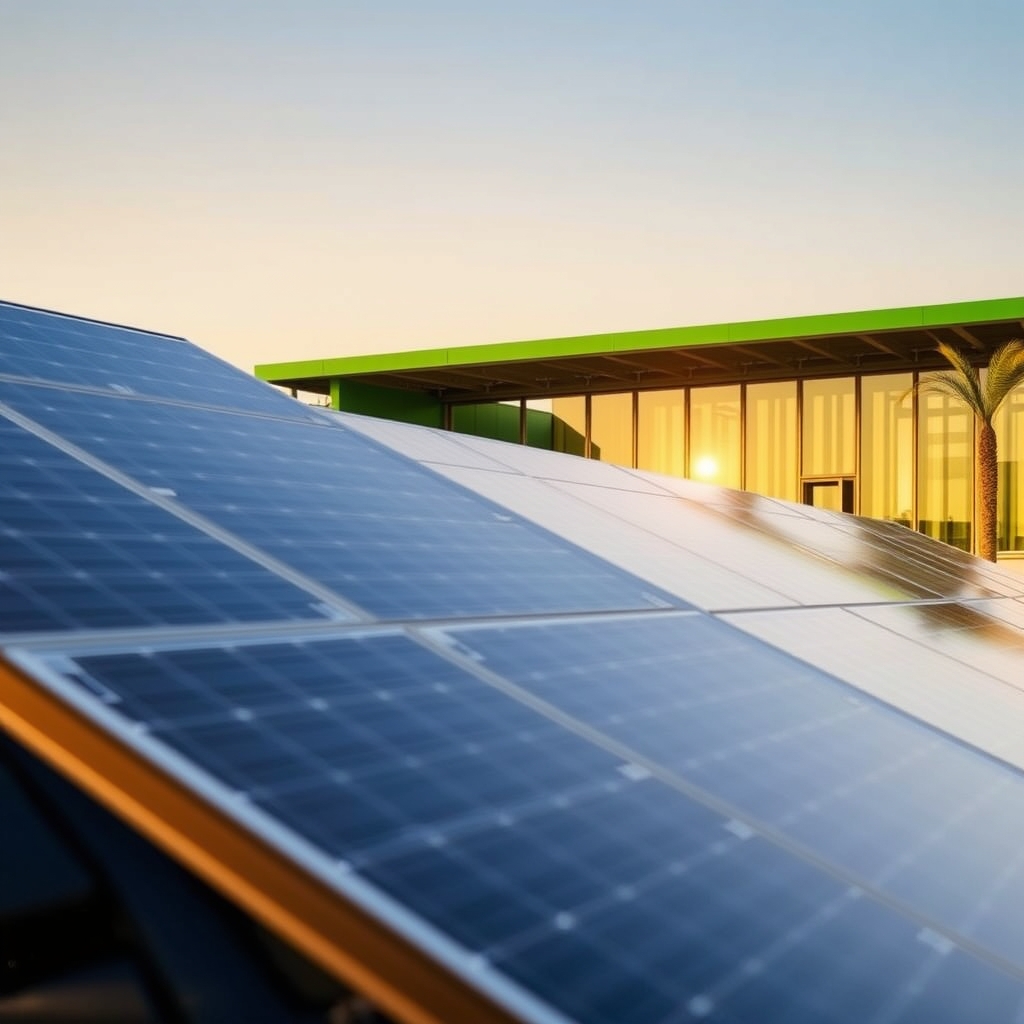
The vessel’s hull is fitted with flexible photovoltaic panels that generate up to 15 MW of electricity under optimal sunlight. Excess power is stored in high‑density lithium‑sulphur batteries, while a compact hydrogen fuel‑cell stack provides backup during low‑light periods or peak demand. According to the project’s chief engineer, the dual‑energy system cuts fuel consumption by roughly 40 percent compared to conventional diesel‑powered ships of similar size.
AI algorithms continuously analyse weather forecasts, tidal data and cargo load distribution. By adjusting speed and trim in real time, the system trims unnecessary fuel burn and improves turnaround times at ports. Early simulations suggest a potential reduction of 1.2 million tonnes of CO₂ emissions annually if the technology scales across the Gulf’s maritime fleet.
Market Implications for the GCC
Freelander 8 arrives at a time when GCC governments are accelerating green‑shipping initiatives. The UAE’s Ministry of Climate Change and Environment recently announced incentives for vessels that achieve at least a 30 percent reduction in emissions. By demonstrating a viable hybrid model, the project positions Abu Dhabi as a testing ground for next‑generation maritime tech, attracting venture capital and strategic partnerships from regional sovereign wealth funds.
Key investors, including a leading UAE‑based infrastructure fund, have pledged AED 200 million to support the commercial rollout of the platform. The funding will finance the construction of a small fleet of 10‑12 units, each capable of carrying up to 8,000 tonnes of cargo across the Arabian Sea and the Indian Ocean. If successful, the fleet could capture a notable share of intra‑GCC trade, traditionally dominated by diesel‑reliant ships.
The project also dovetails with the UAE’s broader ambition to become a hub for clean‑technology manufacturing. Local shipyards are slated to receive training on hybrid‑propulsion assembly, creating skilled jobs and fostering a supply chain that could export similar vessels to emerging markets in Africa and South‑East Asia.
Challenges and Next Steps
Despite the promising technology, several hurdles remain. Hydrogen infrastructure in the region is still nascent, with only a handful of refuelling stations operating along the Gulf coast. Scaling up will require coordinated investment from both public authorities and private players to ensure a reliable supply chain for green hydrogen.
Regulatory frameworks are also evolving. The UAE’s maritime regulator is drafting standards for hybrid vessels, but final rules are expected later this year. Clear guidelines will be essential for ship owners to assess lifecycle costs and obtain insurance coverage without premium spikes.
Looking ahead, the team behind Freelander 8 plans a series of sea trials over the next six months, targeting a full commercial launch in early 2027. The trials will test endurance, cargo handling efficiency and the integration of AI‑based predictive maintenance tools. Success could accelerate the adoption of similar hybrid platforms across the GCC, reinforcing the region’s commitment to decarbonising trade routes.
What to watch: Investors should monitor the rollout of hydrogen refuelling hubs in Abu Dhabi and Dubai, as well as the issuance of the UAE’s hybrid‑vessel certification standards. Early adopters among logistics firms could gain a competitive edge, while the broader market may see a shift in freight pricing as greener ships achieve lower operating costs. The Freelander 8 debut is more than a showcase; it is a bellwether for the next phase of sustainable maritime commerce in the Gulf.