
Dubai’s ruler, Sheikh Mohammed bin Rashid, signed a law on June 10 that formally establishes the Dubai Longevity Authority (DLA). The move signals a strategic shift toward a health‑centric economy that leverages scientific advances, data‑driven care models and sustainable infrastructure to support an ageing population.
The authority will operate under the Dubai Government’s broader Vision 2030 agenda, which seeks to diversify revenue streams beyond oil and tourism. By focusing on longevity, Dubai aims to attract multinational biotech firms, research institutions and venture capital that specialize in age‑related technologies. The DLA’s mandate includes fostering innovation in preventive medicine, digital health platforms, and environmentally friendly senior‑living communities.
A New Institutional Framework for Age‑Tech
The DLA will coordinate efforts across several ministries, including Health and Prevention, Economy, and the Dubai Future Foundation. Its key responsibilities are:
- Regulatory sandbox for startups developing AI‑enabled diagnostics, wearable health monitors and personalized nutrition solutions.
- Funding pipeline that channels public‑private partnership capital into early‑stage longevity projects, with an initial budget of AED 150 million earmarked for research grants.
- Talent attraction programs that offer scholarships and fast‑track visas for scientists, clinicians and data analysts focused on ageing research.
By creating a single point of contact for investors and innovators, the authority hopes to reduce bureaucratic friction that has historically slowed the rollout of health‑tech solutions in the region.
Economic Impact and Market Opportunities
Longevity is emerging as a multi‑trillion‑dollar global market. Analysts estimate that the worldwide anti‑ageing sector could exceed USD 1.5 trillion by 2030, driven by rising life expectancy and consumer willingness to spend on health optimisation. Dubai’s strategic location, world‑class logistics and tax‑friendly environment position it well to capture a share of this growth.
The DLA’s activities are expected to generate several economic benefits:
- Diversified GDP contribution: Health‑related services could add up to 2 % to Dubai’s GDP within five years, according to a recent study by the Dubai Economic Department.
- Job creation: The authority projects the creation of 8,000 skilled positions in research, clinical trials, and senior‑care infrastructure by 2032.
- Foreign direct investment: Early indications show that venture capital firms from the US, Europe and Asia are preparing to allocate funds to Dubai‑based longevity incubators.
These figures align with the emirate’s ambition to become a regional hub for knowledge‑based industries, complementing existing strengths in fintech, renewable energy and smart‑city initiatives.
Sustainability at the Core of Longevity
The DLA’s charter emphasizes that longevity solutions must be environmentally responsible. Initiatives under review include:
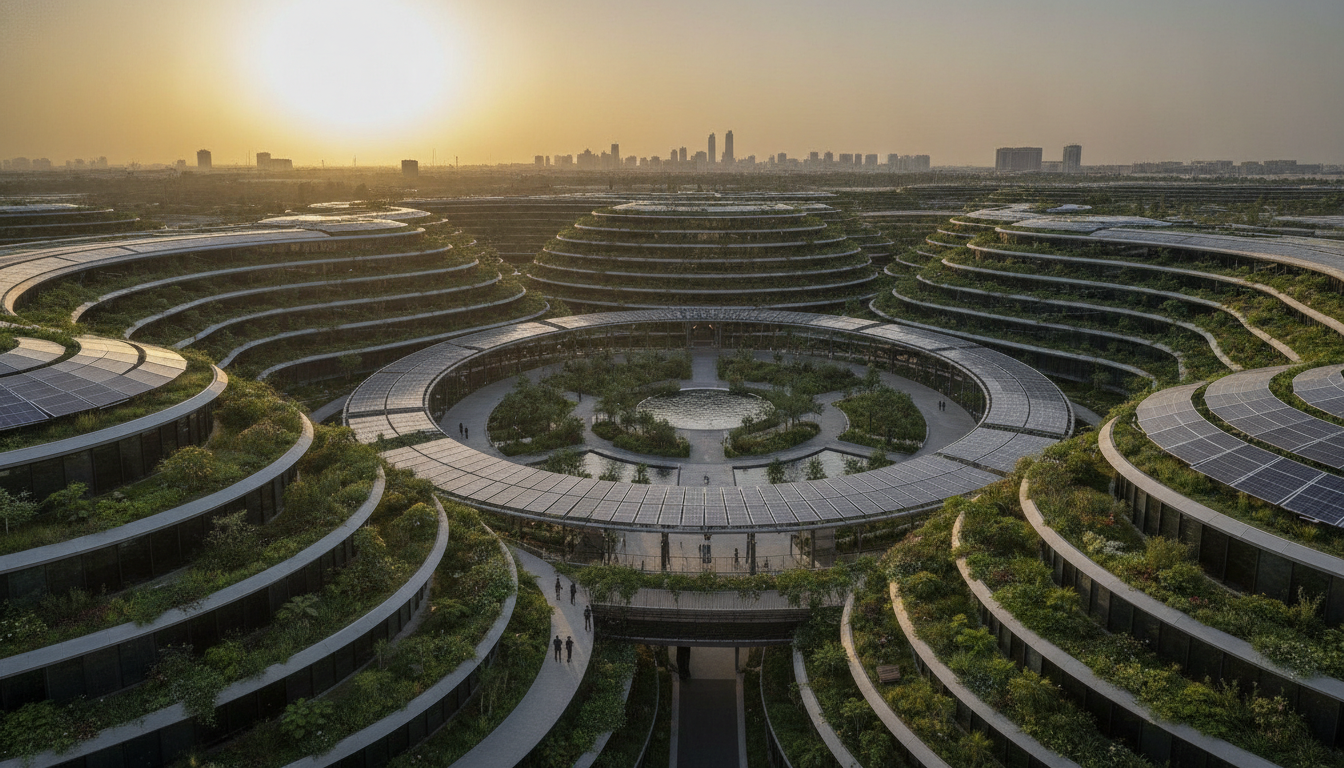
- Green senior housing: Development standards that integrate solar power, water recycling and low‑carbon construction materials for retirement communities.
- Circular health‑tech: Programs to refurbish and recycle medical devices, reducing electronic waste while extending product lifecycles.
- Data‑centric health ecosystems: Secure, interoperable platforms that enable real‑time monitoring of health metrics without excessive energy consumption.
By aligning health outcomes with sustainability goals, Dubai hopes to set a benchmark for other GCC cities seeking to balance economic growth with ecological stewardship.
Looking Ahead
The Dubai Longevity Authority will convene its inaugural advisory board later this month, bringing together leading scientists, industry executives and policy makers. Their first task will be to outline a five‑year roadmap that details priority research areas, regulatory reforms and incentive structures.
Stakeholders will be watching closely how quickly the DLA can translate its legislative mandate into tangible projects. Success could accelerate Dubai’s transition to a knowledge‑driven economy and inspire neighboring emirates to adopt similar models. For investors, the authority represents a new frontier where health innovation meets sustainable development, an intersection that promises both financial returns and societal benefit.
As the global population ages, Dubai’s proactive stance may well position the emirate as a pivotal player in the next wave of economic transformation. The coming months will reveal whether the DLA can turn ambition into measurable impact, shaping a healthier, greener future for the region.