
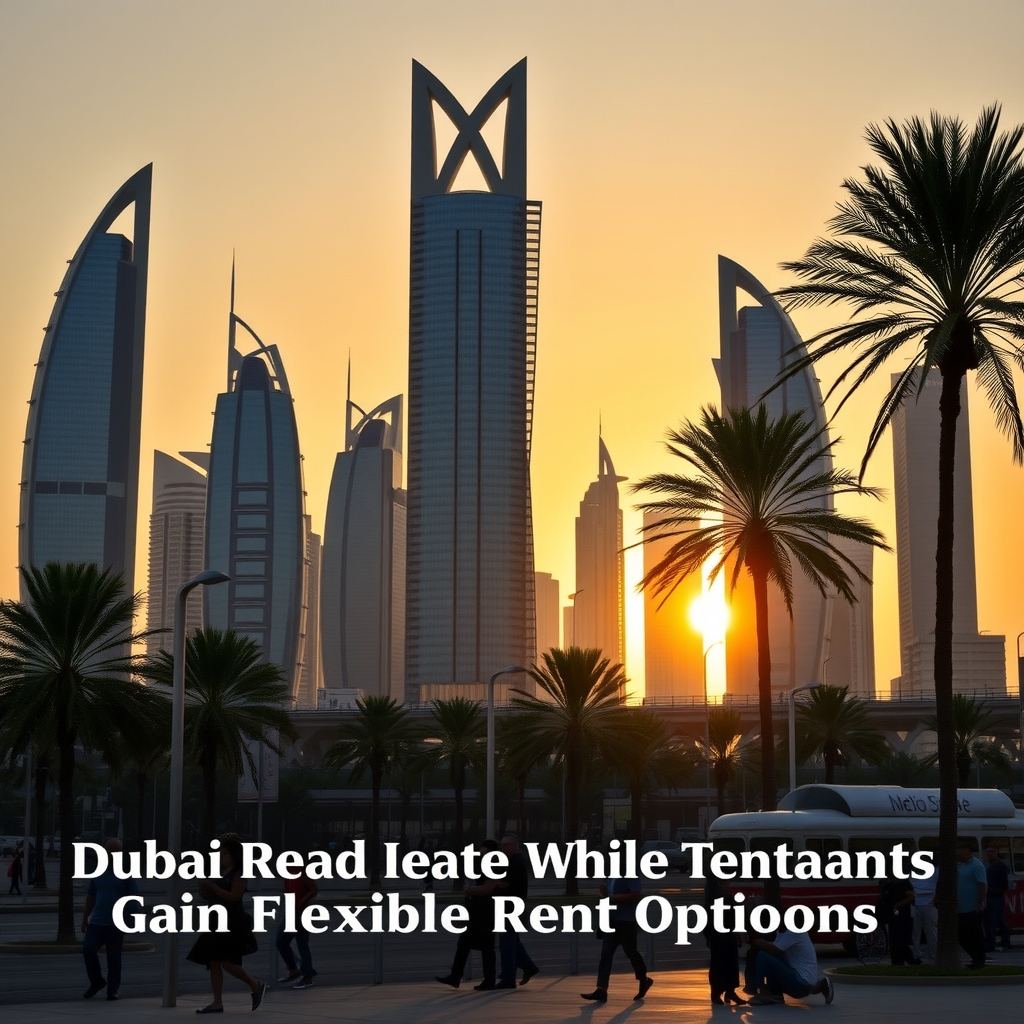
Dubai’s latest infrastructure rollout and housing‑finance tweak illustrate the emirate’s twin strategy of expanding physical connectivity while softening cost pressures for residents. A new metro line to Al Maktoum Airport is set to open later this year, and landlords across the city have begun offering tenants the option to split rent into smaller, more manageable instalments. Together, these moves aim to sustain the momentum of Dubai’s diversified economy and reinforce its appeal to both businesses and expatriates.
New Metro Line Links Airport to City Core
The National (UAE) via GNews reports that Dubai’s Roads and Transport Authority (RTA) will launch a dedicated metro branch connecting the city’s central network directly to Al Maktoum International Airport. The extension adds roughly 15 kilometres of track and introduces three new stations, each designed with the RTA’s “smart‑city” standards , real‑time passenger information, contactless payment and energy‑efficient lighting.
Key benefits highlighted by the RTA include:
- Reduced travel time , commuters can reach the airport in under 30 minutes from downtown, cutting reliance on road‑based taxis and private cars.
- Lower congestion , the line is expected to divert an estimated 12 percent of private‑vehicle trips, easing pressure on Sheikh Zayed Road during peak hours.
- Economic uplift , proximity to the airport is projected to boost commercial activity in the surrounding Al Maktoum Free Zone, attracting logistics firms and aviation‑related services.
Industry analysts see the project as part of Dubai’s broader effort to position itself as a regional hub for trade and tourism. By integrating air‑travel access with the city’s extensive metro system, the emirate reduces friction for business travellers and tourists alike, reinforcing the “one‑stop‑shop” narrative that underpins its long‑term growth plan.
Rent Instalments Offer Relief to Tenants
In a parallel development, Khaleej Times notes that Dubai’s real‑estate market is responding to lingering affordability concerns by allowing tenants to break down monthly rent into smaller instalments. The initiative, rolled out by major property developers and supported by the Dubai Land Department, lets renters spread payments over a 12‑month period without incurring additional interest.
The scheme’s main features include:
- Flexibility , tenants can choose weekly, bi‑weekly or monthly instalments that align with their cash‑flow cycles.
- Transparency , all payment schedules are displayed on the Dubai REST platform, ensuring both landlords and renters have a clear view of upcoming dues.
- Stability , early data suggests a 7 percent drop in rent arrears among participants, indicating that the instalment model helps households manage budgeting pressures.
Real‑estate consultants point to the move as a proactive response to the post‑pandemic slowdown in rental growth. By easing the upfront financial burden, landlords can maintain occupancy rates while tenants gain breathing room, a win‑win that supports the emirate’s goal of retaining a vibrant expatriate community.
What This Means for Dubai’s Business Landscape
Both the metro expansion and the rent‑instalment scheme reflect Dubai’s adaptive approach to evolving market dynamics. Enhanced transport links are likely to attract new foreign direct investment (FDI) into logistics, aviation services and hospitality, sectors that thrive on seamless connectivity. Meanwhile, the flexible rent model helps preserve the city’s reputation as a tenant‑friendly environment, a critical factor for multinational firms that relocate staff on short notice.
Looking ahead, investors should monitor:
- Ridership trends , early adoption rates for the airport line will indicate whether the projected congestion relief materialises.
- Rental market health , sustained reductions in arrears could signal broader consumer confidence, encouraging further real‑estate development.
- Policy spill‑over , if the instalment framework proves successful, other GCC jurisdictions may adopt similar measures, potentially reshaping regional housing finance norms.
Dubai’s coordinated push to improve infrastructure while softening living costs underscores a strategic balance: fostering growth‑driven projects without overlooking the day‑to‑day financial realities of its residents. As the city continues to fine‑tune this equilibrium, the next few quarters will reveal how effectively these initiatives translate into measurable economic gains.