
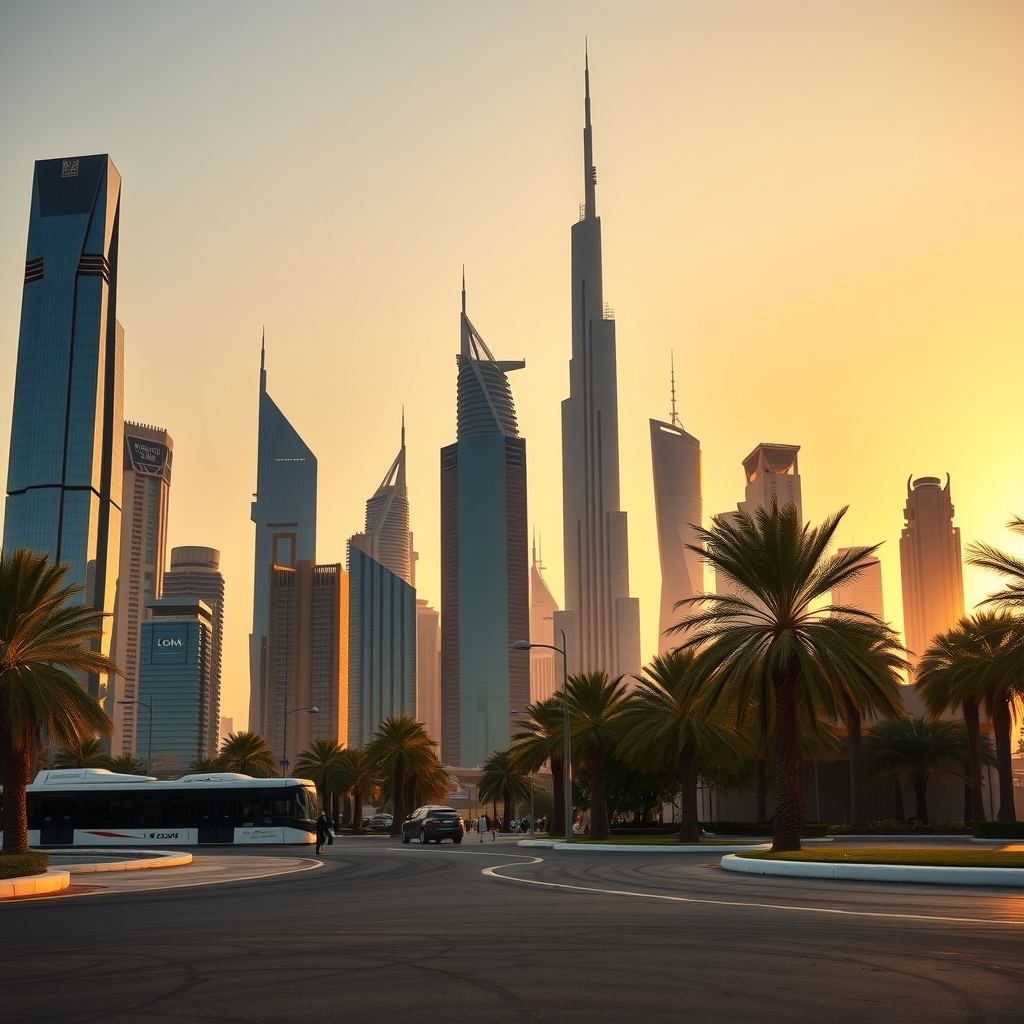
The sharp pull‑back on US equity markets this week has quickly travelled across the Atlantic, dragging European indices lower and raising alarm among investors in the Gulf. For portfolio managers in the UAE, the ripple effect threatens to tighten liquidity at a time when the region is still capitalising on post‑pandemic growth. According to Khaleej Times (UAE) via GNews, the sell‑off is prompting Gulf investors to reassess exposure to both US‑listed technology stocks and broader market sentiment.
Market Ripple Effects Across the GCC
The interconnectedness of global capital flows means that a correction on Wall Street does not stay confined to New York. European markets, already grappling with mixed earnings reports, have seen their major indices dip by roughly 2‑3 percent since the US sell‑off began. This downward pressure is reflected in the GCC equity scene, where several sovereign wealth funds and private equity houses have trimmed positions in US‑heavy funds.
Key points for regional investors include:
- Liquidity tightening , Hedge fund inflows to the Gulf have slowed, reducing the pool of ready capital for new deals.
- Currency dynamics , The AED remains pegged to the USD, but a weaker dollar could ease import costs for oil‑related equipment, while a stronger dollar may pressure the SAR and QAR through trade links.
- Sector exposure , Real‑estate and construction firms, which dominate many GCC stock listings, may see reduced foreign investor appetite if risk‑off sentiment persists.
Analysts warn that while the UAE market has historically shown resilience, the current environment could delay planned FDI projects, especially those tied to US technology partners.
Dubai’s Consumer Pulse Amid Volatility
Even as investors tread carefully, Dubai’s streets remain bustling with cultural and leisure activities. Time Out Dubai via GNews highlights a packed calendar of events, ranging from art exhibitions to outdoor festivals, that continue to draw both residents and tourists. These happenings are more than entertainment; they serve as a barometer for consumer confidence and discretionary spending.
The city’s hospitality sector, a major contributor to GDP, benefits from the steady flow of visitors attracted by the events programme. However, a sustained market sell‑off could influence visitor behaviour in two ways:
1. Travel budgeting , Tourists may shorten stays or opt for lower‑cost accommodations if global equity markets appear unstable.
2. Corporate travel cuts , Companies headquartered in the UAE often align travel budgets with broader financial performance; a dip in market valuations may lead to tighter expense policies.
Despite these risks, Dubai’s diversified tourism strategy, leveraging year‑round attractions and high‑profile conferences, offers a cushion. The city’s ability to host large‑scale gatherings, such as the upcoming GITEX and LEAP events, remains a strong draw for international business delegations, even when equity markets wobble.
What Investors Should Watch
Looking ahead, market participants in the UAE and wider GCC should monitor a handful of indicators that will shape the next quarter’s risk profile:
- US monetary policy cues , Any shift in the Federal Reserve’s rate outlook will reverberate through both US and European markets, directly affecting Gulf fund performance.
- European earnings season , Weak corporate results could deepen the sell‑off, amplifying risk‑off sentiment across the region.
- Tourism data , Hotel occupancy rates and visitor arrival figures for Dubai will reveal whether the events calendar can sustain consumer spending despite market turbulence.
- Oil price stability , While not the primary driver of the current sell‑off, steady oil revenues continue to underpin fiscal buffers that support investor confidence in the UAE.
In the short term, diversification remains the prudent play. Investors are advised to balance exposure between defensive sectors, such as utilities and consumer staples, and growth‑oriented assets that can benefit from a potential market rebound. Keeping an eye on the interplay between global equity trends and Dubai’s vibrant events ecosystem will provide a clearer picture of where capital is likely to flow next.
As the US market steadies, the speed at which confidence returns to European exchanges will dictate the depth of the ripple into Gulf portfolios. Meanwhile, Dubai’s bustling cultural scene may act as a subtle counter‑weight, reminding investors that the city’s economy is not solely tethered to global stock movements but also to the steady pulse of tourism and local consumption.