
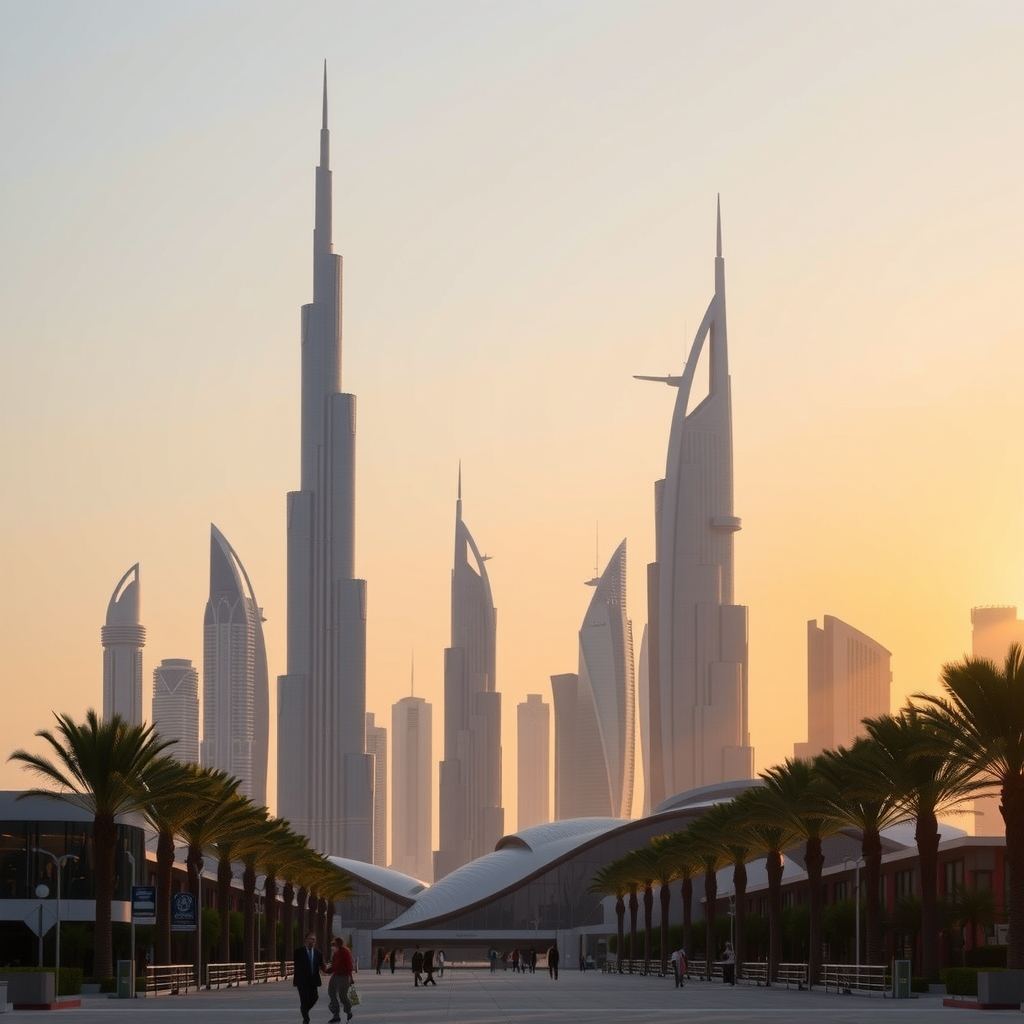
Etihad Airways announced the restart of its Abu Dhabi‑Jeddah service on 6 November, a move that restores a key link between the UAE capital and Saudi Arabia’s western port. The airline simultaneously confirmed that flights to Riyadh and Dammam will remain on hold until 19 November. According to Khaleej Times (UAE) via GNews, the decision reflects a recalibration of capacity in response to fluctuating demand across the Gulf corridor. For businesses that rely on swift cross‑border travel, logistics firms, MENA‑based investors, and tourism operators, the restored route offers immediate relief, while the temporary suspension of eastern Saudi connections signals a short‑term tightening of supply.
Etihad’s Operational Shift and Market Implications
The resumption of the Abu Dhabi‑Jeddah corridor is more than a schedule tweak; it signals confidence in the recovery of passenger traffic along the Red Sea corridor. Etihad has historically leveraged this route to funnel business travelers between two of the region’s most dynamic economies. By reinstating the service, the carrier is positioning itself to capture renewed demand from trade delegations, conference attendees, and expatriate commuters who have been navigating a patchwork of flight cancellations over the past months.
Key implications include:
- Revenue stabilization , The route contributes a measurable share of Etihad’s short‑haul earnings. Restoring it helps offset the revenue gap created by the Riyadh and Dammam suspensions.
- Network flexibility , Maintaining a limited but strategic presence in eastern Saudi cities allows the airline to re‑activate those routes quickly once demand rebounds.
- Competitive positioning , Rival Gulf carriers are also adjusting capacities. Etihad’s swift move may pressure competitors to revisit their own schedules, potentially sparking a modest “capacity race” that benefits price‑sensitive travelers.
Industry analysts note that the Gulf aviation market has been navigating a volatile environment, with fuel price volatility, regulatory adjustments, and shifting tourism patterns all playing a part. Etihad’s decision aligns with a broader trend of airlines fine‑tuning routes to match real‑time market signals rather than adhering to pre‑set seasonal calendars.
Shanghai Expo Signals UAE’s Innovation Outlook
While Etihad focuses on physical connectivity, the Shanghai Expo is championing a different kind of link, one built on ideas, technology, and collaborative research. The expo, highlighted by Khaleej Times (UAE) via GNews, is being positioned as a premier platform for showcasing cutting‑edge solutions and fostering cross‑border cooperation in fields ranging from renewable energy to artificial intelligence.
For the UAE, the expo offers several strategic benefits:
- Showcasing homegrown tech , Emirati startups and scale‑ups can present their innovations to a global audience, attracting potential investors and partners.
- Learning from global peers , Exposure to breakthroughs from China and other participating nations helps UAE firms benchmark their own R&D efforts.
- Policy alignment , Insights gathered at the expo can inform national initiatives such as the UAE’s “Innovation Strategy 2030,” ensuring that regulatory frameworks keep pace with emerging technologies.
The convergence of improved air links and a heightened focus on innovation creates a virtuous cycle. Easier travel encourages more frequent participation in international exhibitions, while exposure to global tech trends fuels demand for efficient, reliable transportation, precisely the market niche that Etihad aims to serve.
Looking Ahead: Regional Mobility and Tech Collaboration
The dual narrative of restored flight capacity and a thriving innovation showcase points to a broader trajectory for the UAE’s economic agenda. Decision‑makers are likely to monitor passenger load factors on the Abu Dhabi‑Jeddah route closely; sustained demand could prompt Etihad to expand frequencies or introduce additional destinations within the GCC.
Simultaneously, the momentum generated by the Shanghai Expo may translate into concrete partnerships. Emirati venture capital funds could increase allocations to startups that demonstrated promise at the expo, while government agencies might launch joint research programmes with Chinese institutions.
Stakeholders should keep an eye on three indicators over the next quarter:
1. Load factor trends on the reinstated route, especially among business travelers.
2. Investment flows stemming from expo‑related networking, particularly in AI, clean tech, and fintech.
3. Policy updates from the UAE Ministry of Economy that could streamline cross‑border collaboration in technology sectors.
In sum, Etihad’s agile route management and the Shanghai Expo’s emphasis on collaborative innovation together reinforce the UAE’s dual strategy of bolstering physical connectivity while nurturing a knowledge‑based economy. As the region continues to balance recovery with growth, the interplay between transport infrastructure and tech ecosystems will likely shape the next wave of Gulf‑wide competitiveness.