
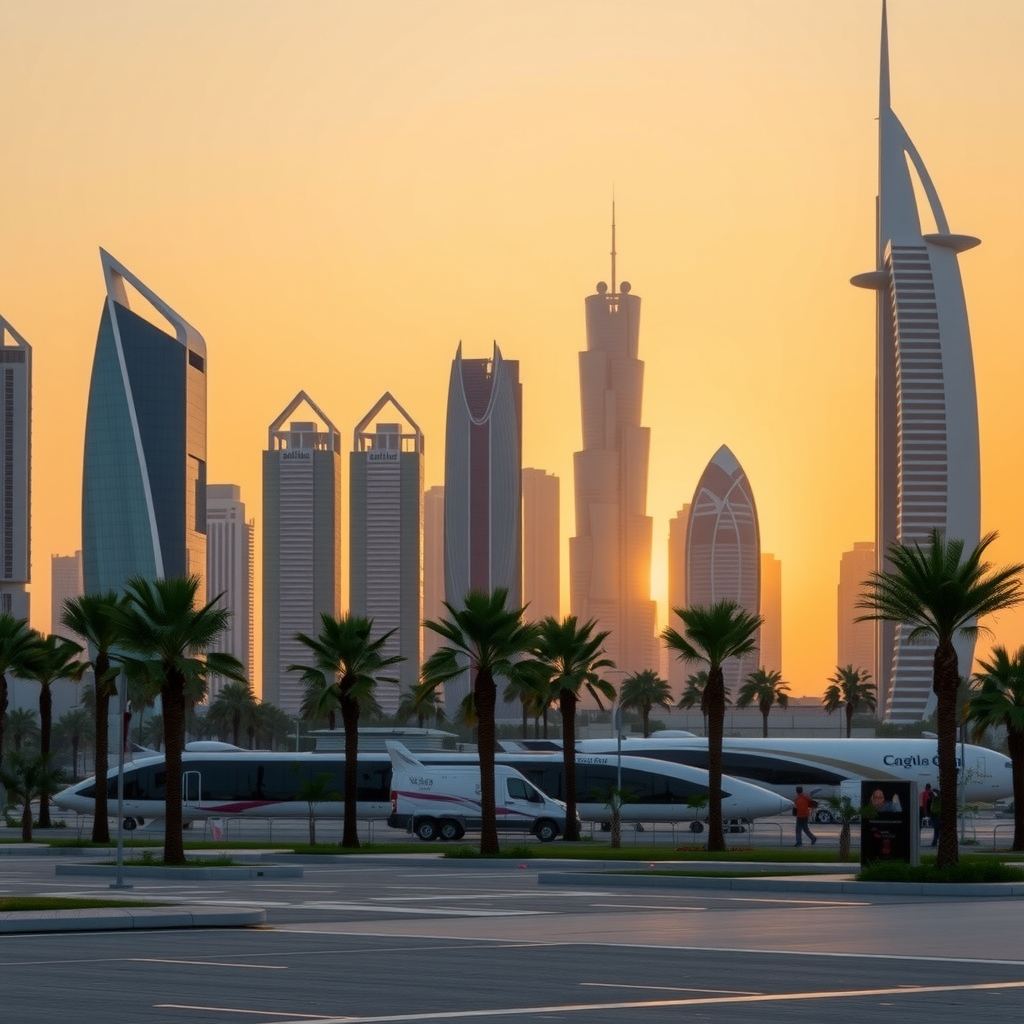
Dubai continues to position itself as a multifaceted service hub, where health care, aviation safety and high‑profile entertainment converge to shape new business prospects. Recent stories reported by Gulf News (UAE) via GNews highlight how the city’s infrastructure supports expatriate residents, manages airline passenger behavior, and attracts global sporting spectacles. For investors and operators, these developments underscore both market potential and the need for robust compliance frameworks.
Healthcare Services for Expatriates
The loss of a 33‑year‑old Indian mother of two, who succumbed to breast cancer while living in Dubai, brings attention to the emirate’s growing demand for advanced medical care. Expatriates increasingly seek treatment at private hospitals that combine cutting‑edge technology with multilingual staff.
- Demand drivers: A rising expatriate population, higher disposable incomes and a cultural emphasis on preventive health create a steady stream of patients.
- Investment angle: Private clinics and diagnostic centres that specialize in oncology and chronic disease management can tap into insurance‑linked reimbursements and out‑of‑pocket spending.
- Regulatory note: The Dubai Health Authority (DHA) has introduced stricter licensing criteria for oncology units, aiming to raise standards and attract medical tourism.
According to Gulf News (UAE) via GNews, the tragic case underscores the importance of accessible, high‑quality oncology services for the city’s diverse community. Health‑care providers that integrate tele‑medicine platforms and patient‑support programs may differentiate themselves in a competitive market while addressing the emotional and logistical challenges faced by families coping with serious illness.
Aviation Safety and Passenger Conduct
A separate incident involved an IndiGo passenger attempting to manipulate the emergency‑exit lever cover on a domestic Delhi‑Pune flight. While the flight originated outside the UAE, the airline’s operations are closely linked to Dubai’s status as a regional hub for connecting traffic. The episode highlights the ongoing need for vigilant cabin‑crew training and clear passenger‑communication protocols.
- Operational impact: Unauthorised tampering with safety equipment can trigger flight delays, regulatory fines and reputational damage.
- Business opportunity: Companies offering advanced safety‑training simulators and AI‑driven monitoring tools can partner with airlines operating through Dubai International Airport (DXB) to enhance compliance.
- Policy context: The General Civil Aviation Authority (GCAA) has recently updated its safety‑management guidelines, emphasizing proactive risk assessment and passenger‑behavior analytics.
The incident, reported by Gulf News (UAE) via GNews, serves as a reminder that airlines serving the Gulf corridor must align with stringent safety expectations. Service providers that can deliver real‑time alerts or predictive analytics stand to gain contracts with carriers seeking to minimise operational disruptions.
Entertainment Events Driving Hospitality Revenue
The announcement of Jake Paul’s opponent for a Christmas‑Eve bout in Dubai illustrates the emirate’s ambition to host marquee entertainment spectacles. High‑profile fights draw international media attention, fill hotels, and stimulate ancillary spending in food‑and‑beverage, transport and retail sectors.
- Economic boost: Past mega‑events in Dubai have generated upwards of AED 150 million in direct tourism revenue, according to the Department of Tourism and Commerce Marketing.
- Venue considerations: Flexible arenas and purpose‑built combat‑sports facilities are being marketed to promoters looking for a tax‑efficient location with world‑class logistics.
- Sponsorship landscape: Brands targeting a youthful, digitally engaged audience are increasingly allocating budgets to fight‑night sponsorships, leveraging social‑media amplification.
Gulf News (UAE) via GNews notes that the fight’s timing, coinciding with the holiday season, offers a strategic advantage for hotels and airlines seeking to fill capacity during a traditionally slower period. Event‑management firms that can coordinate cross‑border talent visas, security protocols and fan‑engagement activations will find a fertile market in Dubai’s entertainment ecosystem.
### Looking Ahead
Dubai’s ability to intertwine health‑care excellence, aviation safety vigilance and world‑class entertainment creates a resilient service economy that can weather sector‑specific shocks. Stakeholders should monitor three emerging trends:
1. Integrated health‑tourism packages that combine treatment with luxury accommodation, appealing to affluent expatriates and regional patients.
2. AI‑enabled safety platforms for airlines, which could become a mandatory component of GCAA compliance audits.
3. Hybrid event formats that blend live audiences with virtual streaming, expanding revenue streams beyond physical ticket sales.
By aligning investment strategies with these trajectories, businesses can capitalize on Dubai’s continued diversification while adhering to the regulatory standards that safeguard its reputation as a premier global hub.