
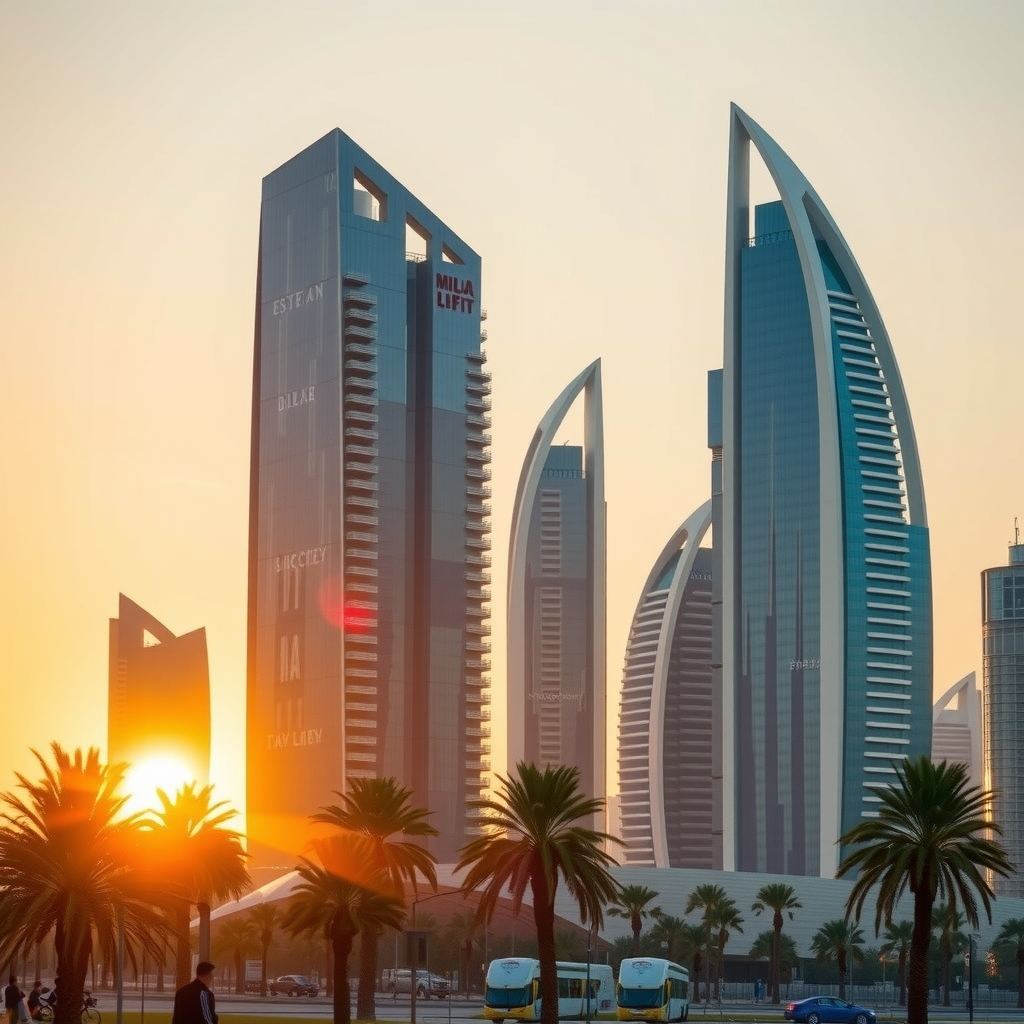
Dubai is positioning its built environment as a catalyst for economic diversification and lifestyle transformation. By pairing a high‑profile cycling initiative with ambitious construction programmes and a liberalised zoning framework, the emirate aims to attract tourists, investors and new residents while reinforcing its reputation as a forward‑looking metropolis.
Record Cycling Event Highlights Mobility Shift
The Dubai Ride, staged on a closed section of Sheikh Zayed Road, drew a historic 41,836 participants, according to The National (UAE) via GNews. The closure of the city’s main artery for a day created a temporary car‑free corridor that allowed cyclists of all ages to traverse a route normally dominated by traffic. Organisers reported a surge in registrations in the weeks leading up to the event, reflecting growing public appetite for active‑transport options.
From a business perspective, the event generated a short‑term boost for hospitality venues, retail outlets and sports‑gear retailers situated along the route. Hotels reported higher occupancy rates, while food‑and‑beverage outlets saw increased footfall from participants and spectators. More importantly, the initiative aligns with Dubai’s broader sustainability agenda, which seeks to reduce carbon emissions and diversify mobility beyond oil‑dependent transport. By showcasing the feasibility of large‑scale, car‑free zones, the city signals to developers and investors that future projects may incorporate similar pedestrian‑centric designs, potentially unlocking new revenue streams for mixed‑use developments.
Nad Zabeel Mega Development Targets Future‑Ready District
In a parallel announcement, The National (UAE) via GNews highlighted the unveiling of the Nad Zabeel project, described as a “mega” development intended to “shape the future.” While specific details remain limited, the initiative is expected to span residential, commercial and leisure components, creating a self‑contained district that integrates work, living and recreation. Preliminary estimates suggest the venture could attract billions of dirhams in foreign direct investment, generate thousands of construction jobs and add a substantial amount of premium office space to the market.
The timing of Nad Zabeel dovetails with Dubai’s strategic push to position itself as a hub for technology, finance and tourism. By delivering a landmark mixed‑use precinct, the emirate hopes to lure multinational corporations seeking a regional headquarters, as well as affluent expatriates attracted by high‑quality amenities. The project also reinforces the city’s commitment to smart‑city infrastructure, with expectations of advanced digital services, sustainable building standards and integrated transport links that complement initiatives such as the Dubai Ride.
Planning Revamp Opens Al Satwa to Higher‑Density Housing
A third policy shift, reported by The National (UAE) via GNews, relaxes planning rules in the Al Satwa neighbourhood, permitting residential towers up to eight storeys. Historically limited to low‑rise structures, the area will now accommodate higher‑density housing, addressing a long‑standing shortage of affordable units in central Dubai. The change is part of a wider revamp of the emirate’s zoning code aimed at encouraging vertical growth where land is scarce.
For developers, the new allowance reduces the cost per unit by spreading infrastructure expenses across more apartments, improving project economics. Real‑estate analysts anticipate a modest uptick in supply that could temper price pressures in the mid‑range segment, making home ownership more attainable for young professionals and families. Moreover, the higher‑rise model supports the city’s goal of creating walkable neighbourhoods where residents can live close to work, schools and leisure facilities, thereby reducing reliance on private vehicles.
Looking Ahead
Dubai’s coordinated approach, combining high‑visibility events, flagship construction projects and regulatory flexibility, offers a template for other GCC cities seeking to modernise their urban fabric. Stakeholders will be watching how the Nad Zabeel district integrates with emerging mobility corridors, and whether the eight‑storey policy in Al Satwa spurs similar zoning reforms elsewhere. If the momentum continues, the emirate could see a virtuous cycle of increased tourism, heightened investor confidence and a more resilient, diversified economy that leans less on traditional energy revenues and more on sustainable, people‑centric growth.