
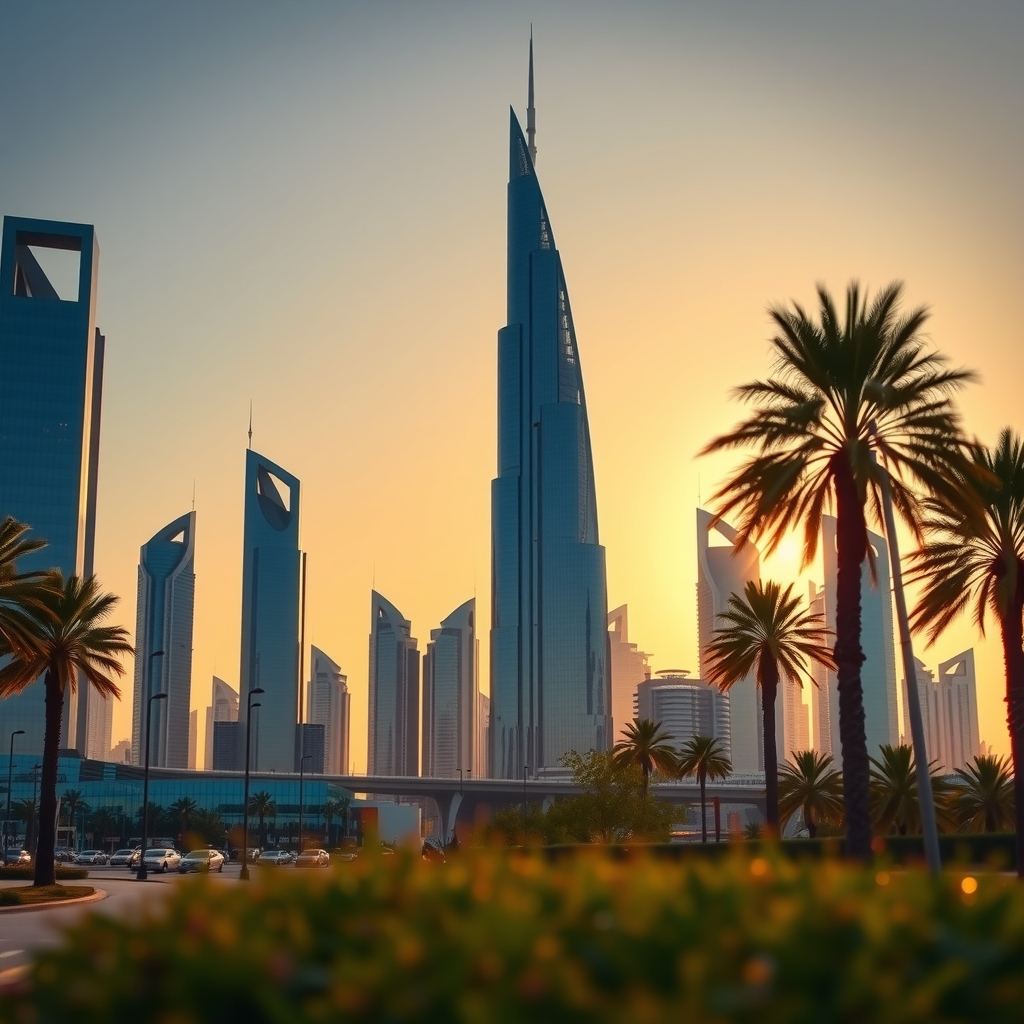
The UAE is bracing for an atypically mild winter, a development that could reshape construction schedules, tourism patterns and energy demand. At the same time, the launch of two pedestrian bridges on Palm Jumeirah signals continued confidence in high‑value real‑estate projects, while the passing of a globally recognised actor draws attention to the region’s growing entertainment‑media market. Together, these stories illustrate how climate, infrastructure and cultural consumption intersect in the Emirates’ evolving economy.
Wetter Winter Prompts New Planning Priorities
A meteorological expert cited by Khaleej Times (UAE) via GNews predicts that the coming winter will bring higher temperatures, increased rainfall and fewer cold spells across the Emirates. Such a shift, while welcomed by residents who dread frost, carries implications for sectors that rely on precise weather forecasts.
- Energy consumption: Milder nights reduce the need for heating, potentially lowering natural‑gas demand for residential use. Utilities may need to adjust load‑forecasting models to avoid over‑generation.
- Tourism and hospitality: More pleasant winter weather could extend the peak tourist season, encouraging hotels and retailers to lengthen promotional campaigns and staffing plans.
- Construction timelines: Increased rainfall raises the risk of site delays, especially for projects that involve extensive earthworks or coastal work. Contractors are likely to embed additional buffer periods into contracts and invest in drainage solutions to mitigate water‑related disruptions.
The forecast also dovetails with the UAE’s broader sustainability agenda. Government bodies have pledged to integrate climate‑resilient design into new developments, and a wetter winter provides a real‑time test case for those standards. Companies that can demonstrate adaptive capabilities may gain a competitive edge in upcoming public‑private partnerships.
Palm Jumeirah Pedestrian Bridges Boost Connectivity
In a separate development, Khaleej Times (UAE) via GNews reports that construction has begun on two pedestrian bridges linking key points of Palm Jumeirah. The bridges aim to improve foot traffic flow between residential towers, retail zones and the iconic beachfront promenade.
The project underscores several market trends:
1. Infrastructure as a value driver: High‑end residential districts increasingly rely on seamless mobility to justify premium pricing. By reducing walking distances, the bridges enhance the appeal of Palm Jumeirah properties, supporting higher rental yields and resale values.
2. Local sourcing and job creation: The bridges are being built by UAE‑based contractors, aligning with the government’s “Made in the UAE” initiative. This approach not only shortens supply chains but also generates skilled construction jobs, contributing to the nation’s employment targets.
3. Sustainable design: Preliminary plans indicate the use of lightweight steel and recycled materials, as well as solar‑powered lighting. Such features resonate with the Emirates’ push for greener public works and may qualify the project for green‑building certifications.
Investors watching the GCC property market note that infrastructure upgrades often precede a wave of secondary developments. The bridges could therefore act as a catalyst for new retail concepts, boutique hotels and leisure facilities that cater to both residents and the influx of tourists attracted by the milder winter climate.
Media Landscape Reacts to the Loss of a Hollywood Icon
The entertainment sector felt a cultural ripple when Gulf News (UAE) via GNews announced the death of veteran actor Patrick Stewart at age 86. While the news is primarily a human‑interest story, it also highlights the UAE’s expanding media consumption ecosystem.
Streaming platforms and satellite broadcasters in the Emirates have long capitalised on the popularity of Western film and television franchises. The actor’s extensive catalogue, including the “Star Trek” and “X‑Men” series, continues to draw substantial viewership across the region. The sudden loss may prompt a short‑term surge in on‑demand streaming as audiences revisit his performances, offering a measurable boost to subscription metrics.
For advertisers, the event presents a moment to align brand messaging with themes of legacy and storytelling, especially for luxury goods and tech products that often associate themselves with iconic personalities. Moreover, local production houses are increasingly exploring co‑production deals with international studios, a trend that could accelerate as global audiences seek fresh content that blends Hollywood talent with regional narratives.
Looking Ahead
The convergence of a warmer winter, strategic infrastructure rollout and a high‑profile cultural moment signals a multifaceted shift in the UAE’s business environment. Companies that integrate climate‑responsive planning, invest in connectivity that enhances property value, and stay attuned to media consumption trends will be best positioned to capture emerging opportunities. Stakeholders should monitor rainfall patterns for any impact on construction schedules, track footfall data once the Palm Jumeirah bridges open, and analyse streaming platform performance following major entertainment news. Together, these indicators will shape the next chapter of growth for the Emirates and the wider GCC region.