
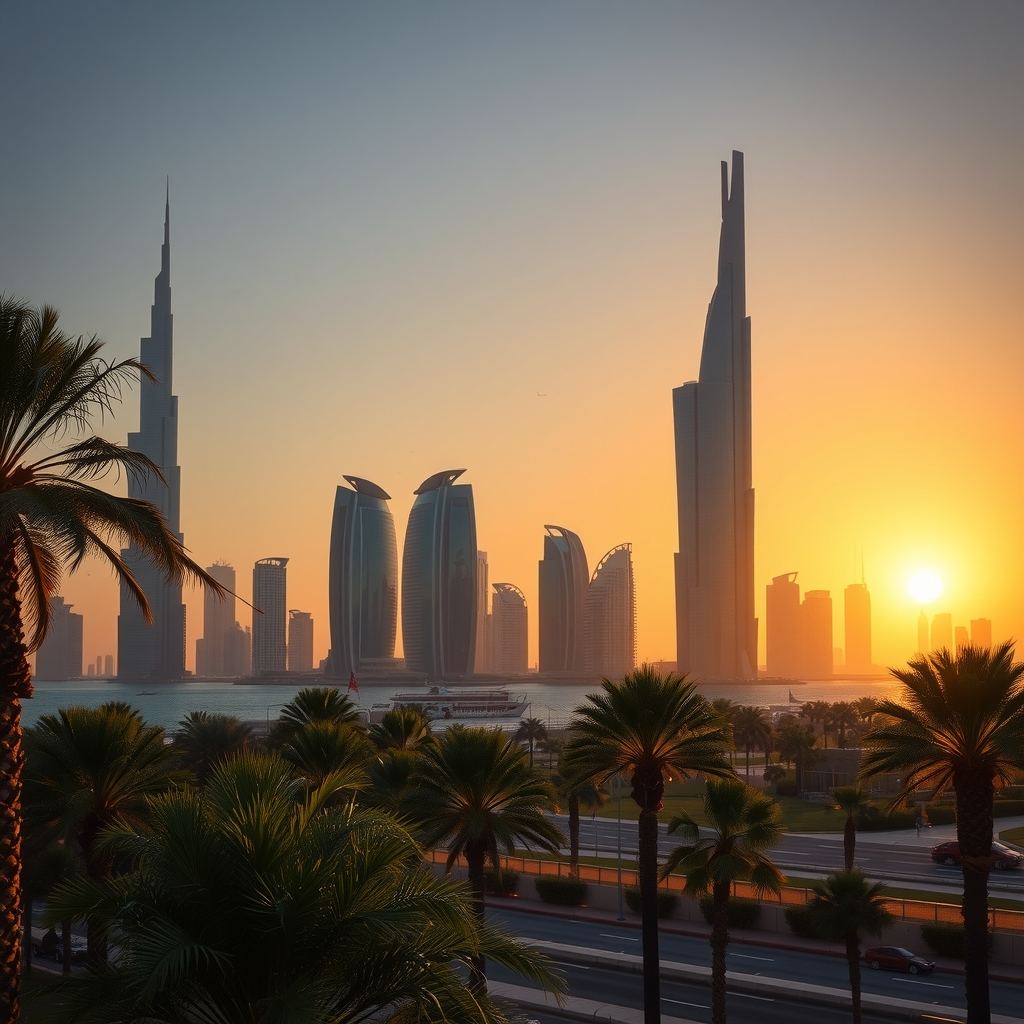
Dubai’s leadership continues to weave together cultural ambition, mobility challenges and a bold housing agenda, signalling a diversified growth path that stretches beyond oil‑linked revenues. The three developments reported this week , a high‑profile cultural awards ceremony, a sharp profit contraction at the city’s flagship taxi operator and the unveiling of a sprawling new residential district , together map the emirate’s effort to balance creative‑sector investment with pragmatic responses to cost pressures and population growth.
Cultural Recognition Fuels Creative Economy
At the UAE Government Annual Meetings, Sheikh Mansour bin Zayed Al Nahyan honoured a cohort of cultural leaders, according to The National (UAE) via GNews. While the ceremony itself is ceremonial, the underlying message is economic: the government is positioning culture as a growth engine that can attract tourism, nurture talent and diversify revenue streams. Recognising artists, museum directors and heritage curators underscores a policy shift that treats creative output as a measurable contributor to GDP.
Industry analysts note that such public endorsement often translates into increased funding for festivals, museum expansions and digital‑media incubators. For investors, the signal is clear , the creative economy is moving from a niche interest to a sector worthy of venture capital and sovereign‑wealth backing. Moreover, the cultural push dovetails with Dubai’s broader “soft power” strategy, where world‑class events and heritage projects are leveraged to enhance the city’s global brand, thereby supporting hospitality, retail and ancillary services.
Transport Sector Faces Financing Headwinds
The Khaleej Times (UAE) via GNews reported that Dubai Taxi Company posted a 25.3 % drop in net profit for Q3, ending at Dh57.1 million. The decline is attributed to higher financing costs and weaker passenger demand. Rising interest rates on corporate loans have squeezed margins, while competition from ride‑hailing platforms and a modest slowdown in tourism have dented ride volumes.
For a company that operates a fleet of over 5,000 vehicles, the financing burden translates into higher lease payments and reduced cash flow for fleet renewal. The profit dip highlights a broader challenge for the UAE’s mobility sector: balancing the need for modern, low‑emission fleets with the cost of capital in a tightening global credit environment.
Stakeholders are watching how Dubai Taxi Company will adapt. Potential strategies include renegotiating loan terms, accelerating the shift to electric vehicles , which could qualify for government subsidies , and deepening partnerships with corporate clients to secure steady revenue streams. The outcome will affect not only the taxi operator but also ancillary businesses such as vehicle maintenance, fuel supply and digital dispatch platforms.
Massive Housing Development Targets Growing Population
A separate report from Time Out Dubai via GNews revealed that Dubai is set to launch a new community comprising 15 distinct neighbourhoods. The development, slated to begin construction later this year, aims to deliver a mix of affordable apartments, premium villas and integrated retail and leisure spaces. The scale of the project reflects confidence in the emirate’s long‑term demographic outlook, with expatriate inflows and a rising native population driving housing demand.
Real‑estate developers view the initiative as a hedge against the cyclical nature of luxury property markets. By offering a diversified product mix, the community can attract first‑time buyers, mid‑career professionals and retirees alike. The project is also expected to generate significant employment during the construction phase and create new commercial opportunities for local suppliers, from building materials to smart‑city technology providers.
From an investment perspective, the rollout aligns with the UAE’s Vision 2030 goals of sustainable urban growth. The inclusion of green spaces, pedestrian‑friendly streets and renewable‑energy infrastructure positions the community as a model for future developments, potentially raising the overall valuation of surrounding districts.
---
Looking ahead, Dubai’s ability to sustain this multi‑sector momentum will hinge on several variables. Continued support for the cultural sector could unlock new revenue streams, but it must be matched with measurable outcomes to satisfy investors. The transport industry will need to navigate financing constraints while embracing electrification to stay competitive. Finally, the success of the 15‑neighbourhood community will depend on delivering on‑time, on‑budget and on‑spec, ensuring that supply meets genuine demand without inflating vacancy rates. Monitoring these dynamics will provide a clear barometer of how effectively Dubai can balance ambition with fiscal prudence in the coming years.