
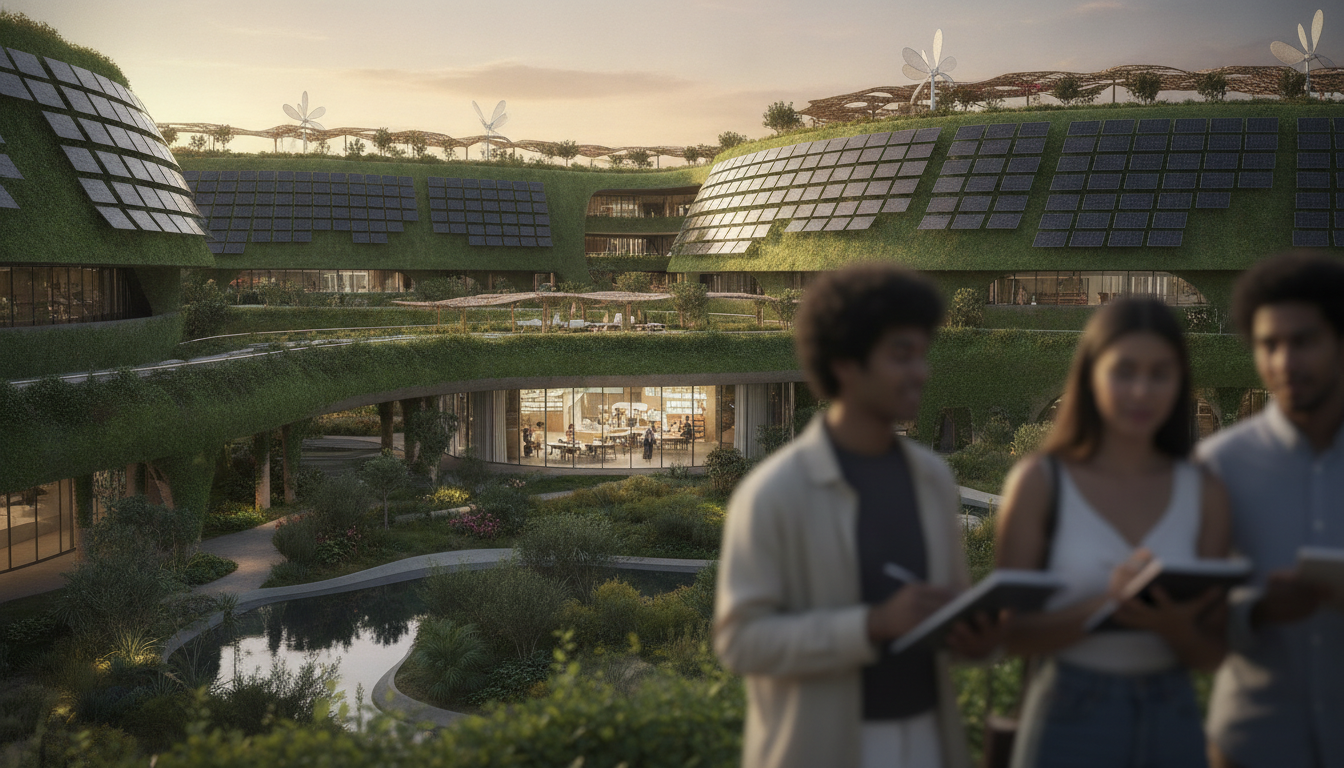
Abu Dhabi is rapidly becoming a magnet for a new breed of creators who blend artistic vision with sustainability goals. Recent investments in cultural districts, university labs and private‑sector grants have turned the capital into a fertile ground for designers, digital artists and eco‑innovators. The momentum signals a shift from traditional patronage to a business‑friendly ecosystem that can scale creative ideas into viable enterprises.
Government Initiatives Accelerate Creative Growth
The Abu Dhabi Department of Culture and Tourism announced a AED 150 million fund aimed at startups that embed environmental stewardship into their products. Recipients range from fashion labels using recycled fabrics to tech studios developing low‑energy visualisation tools. By tying funding to measurable sustainability metrics, the programme encourages entrepreneurs to consider carbon footprints from concept to market.
Parallel to the fund, the Khalifa University Innovation Centre launched a joint accelerator with the Abu Dhabi Investment Office. The accelerator focuses on three pillars: circular design, renewable‑energy‑powered media production, and smart‑city art installations. Participants receive mentorship from industry veterans, access to state‑of‑the‑art prototyping labs and a streamlined path to pilot projects within the city’s public spaces.
These public‑sector moves are complemented by tax incentives for companies that register intellectual‑property rights for green‑focused creations. The incentives, introduced in early 2026, reduce corporate tax on qualifying revenues by up to 10 percent, a measure designed to keep talent and capital within the UAE rather than seeing them relocate to European or North‑American hubs.
Private Sector and Academic Partnerships
Local conglomerates are also stepping into the creative‑sustainability arena. A leading construction group partnered with a Dubai‑based digital studio to produce immersive exhibitions that showcase the lifecycle of building materials. The collaboration not only raises public awareness but also creates a new revenue stream through ticketed experiences and licensing of the interactive content.
Meanwhile, the American University of Sharjah and Zayed University have expanded curricula to include modules on sustainable design thinking, data‑driven storytelling and green entrepreneurship. Graduates are emerging with portfolios that combine artistic flair and measurable environmental impact, making them attractive hires for both global agencies and home‑grown firms.
A notable example is a startup founded by three recent graduates that uses AI‑generated patterns derived from desert flora. The patterns are printed on biodegradable textiles, offering a locally inspired alternative to imported fast‑fashion. The venture secured seed capital from a regional venture fund that earmarks 20 percent of its portfolio for climate‑positive businesses.
Market Implications and Future Outlook
The convergence of policy support, academic training and private investment is reshaping Abu Dhabi’s creative economy. According to a 2026 market survey, the city’s creative sector now contributes roughly 2.3 percent to the UAE’s GDP, a rise of 0.7 percentage points from 2023. More importantly, the sector’s growth is anchored in export‑ready products and services, from sustainable fashion lines reaching European boutiques to digital installations licensed for international conferences.
Investors are taking note. The Abu Dhabi Securities Exchange listed a green‑media company in early 2026, marking the first IPO that blends cultural content with verified carbon‑reduction outcomes. Analysts project that similar listings could double the market capitalisation of the creative segment within the next three years, provided the regulatory framework continues to reward sustainability metrics.
Looking ahead, the key watch‑points include the scalability of lab‑to‑market pipelines, the ability of funding bodies to maintain rigorous impact assessments, and the appetite of global buyers for UAE‑origin eco‑creative products. If the current trajectory holds, Abu Dhabi could evolve from a regional showcase of art and architecture into a global hub where creativity and climate responsibility intersect, offering a replicable model for other economies seeking to fuse culture with green growth.