
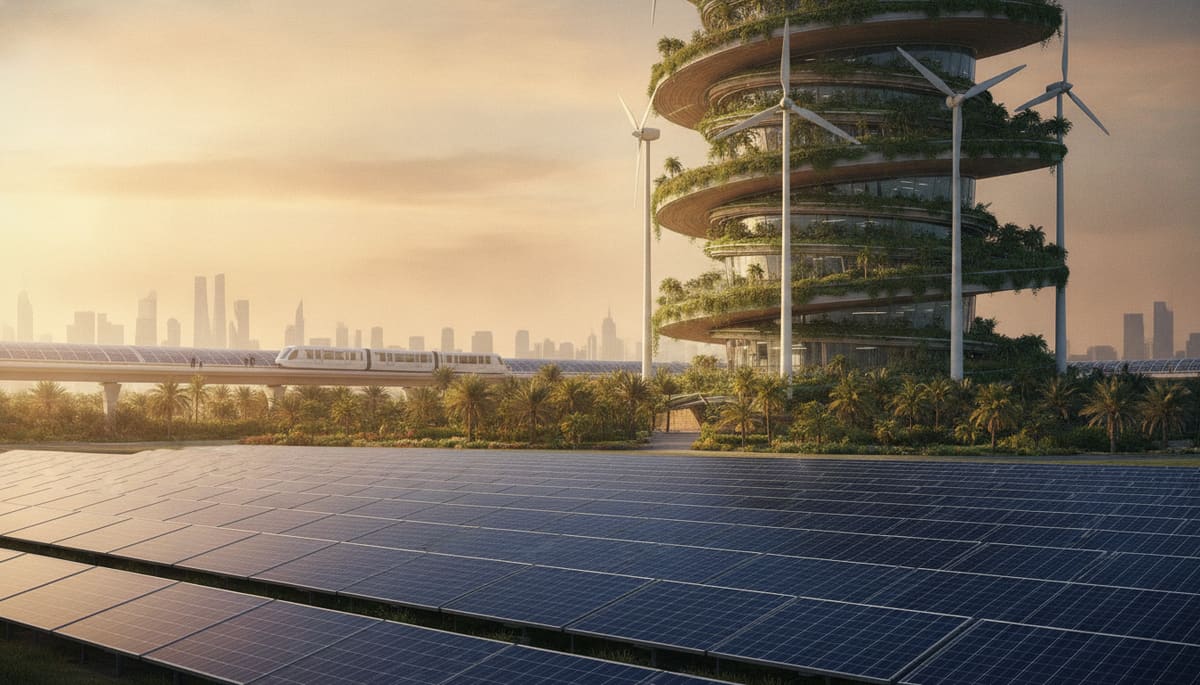
The International Renewable Energy Agency (IRENA), with its pivotal headquarters in Abu Dhabi, has issued a compelling call to action, urging nations worldwide to significantly accelerate the pace of renewable energy integration into their electricity grids. This directive underscores a critical global imperative to triple renewable power capacity by 2030, a goal essential for mitigating climate change, enhancing energy security, and fostering sustainable economic development. For the UAE, a nation already at the forefront of clean energy innovation and investment, IRENA's message resonates deeply, reinforcing its strategic vision for a diversified, green economy.
The UAE's commitment to a sustainable energy future is well-documented and ambitious. Initiatives such as the Dubai Clean Energy Strategy 2050 aim to source 100% of the emirate's power from clean energy by mid-century. Similarly, the UAE Net Zero by 2050 Strategic Initiative reflects a national dedication to decarbonization across all sectors. These targets are not merely aspirational; they are backed by substantial investment and groundbreaking projects that position the UAE as a global leader in the energy transition. The Mohammed bin Rashid Al Maktoum Solar Park, set to be the world's largest single-site solar park, exemplifies this commitment, alongside significant investments in advanced energy technologies and smart grid solutions.
The Economic Imperative of Renewable Electrification
IRENA's latest analysis highlights the profound economic benefits of a rapid shift to renewable electrification. Beyond environmental advantages, the agency emphasizes that renewable energy sources are increasingly the most cost-effective option for new power generation in many parts of the world. This economic competitiveness drives down electricity prices, reduces reliance on volatile fossil fuel markets, and creates new avenues for industrial growth and job creation. For the UAE and the broader GCC region, this transition is a cornerstone of economic diversification strategies, moving beyond traditional hydrocarbon revenues towards a knowledge-based, sustainable economy.
Investing in renewable energy infrastructure stimulates local economies by fostering new industries, attracting foreign direct investment, and developing a skilled workforce in areas like solar panel manufacturing, wind turbine maintenance, and smart grid management. The UAE, through entities like Masdar, has not only championed domestic renewable projects but has also become a significant investor in clean energy ventures globally, exporting its expertise and capital to accelerate the worldwide energy transition. This dual approach solidifies the UAE's role as a key player in shaping the future of global energy markets.
Regional Leadership and Innovation
The UAE's leadership in renewable energy extends beyond its borders, influencing the entire GCC region. Other Gulf nations are also embarking on ambitious renewable energy programs, recognizing the long-term economic and environmental benefits. Saudi Arabia's Vision 2030, for instance, includes massive investments in solar and wind power, while Qatar, Oman, and Bahrain are also scaling up their clean energy capacities. This regional synergy, often facilitated by shared goals and collaborative initiatives, creates a powerful bloc driving innovation and investment in sustainable technologies.
However, the path to full renewable electrification is not without its challenges. Integrating intermittent renewable sources like solar and wind into existing grids requires advanced grid management systems, significant investments in energy storage solutions, and robust regulatory frameworks. The UAE is actively addressing these challenges through pilot projects in battery storage, smart grid technologies, and demand-side management. Furthermore, the nation's focus on research and development, often in partnership with international institutions and private sector innovators, aims to overcome technological hurdles and optimize the efficiency and reliability of renewable energy systems.
Charting a Sustainable Future
The urgency articulated by IRENA serves as a vital reminder that the window for achieving critical climate goals is narrowing. For the UAE, this call reinforces an already established trajectory towards a sustainable and diversified economic future. The nation's strategic investments, policy frameworks, and commitment to innovation position it as a pivotal force in the global energy transition. As the world grapples with the complexities of decarbonization, the UAE's proactive approach to renewable electrification offers a compelling model for how economic growth and environmental stewardship can be pursued in tandem. The ongoing efforts to expand clean energy capacity, coupled with a focus on smart infrastructure and international collaboration, will continue to define the UAE's leadership in shaping a more resilient and sustainable global energy landscape for decades to come.