
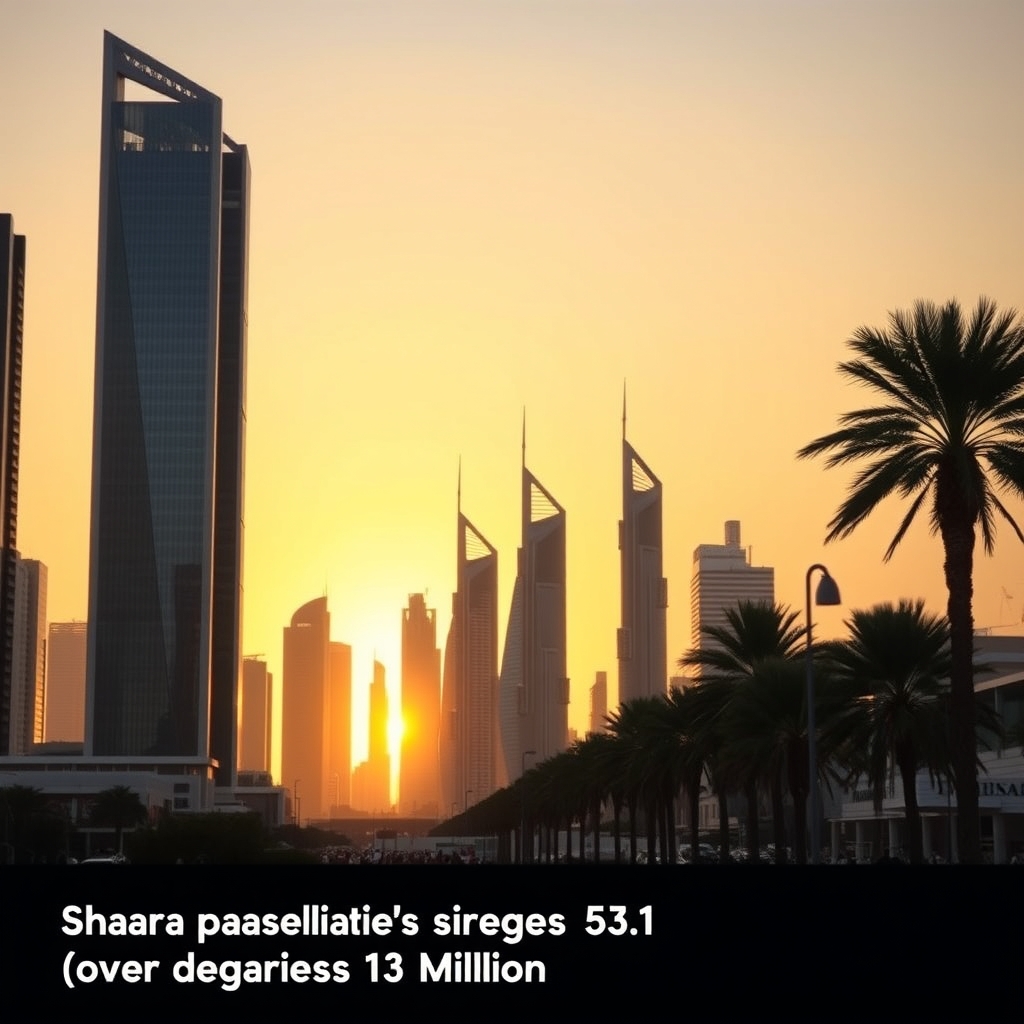
Sharjah’s demographic landscape has shifted dramatically. Between 2016 and 2026 the emirate added roughly 700,000 people, a 51 percent increase that lifts the total headcount to 2.13 million. The surge places Sharjah as the third‑largest population centre in the UAE, trailing only Dubai and Abu Dhabi. For investors, policymakers and developers, the numbers signal a new wave of demand for housing, infrastructure and services.
Drivers Behind the Growth
- Affordable housing initiatives , Government‑backed schemes have delivered thousands of new apartments and villas at price points lower than those in Dubai. The Sharjah Housing Authority reports that over 30 percent of new units were allocated to first‑time buyers, attracting families from across the GCC.
- Industrial diversification , The emirate’s focus on non‑oil sectors, especially logistics, manufacturing and renewable energy, has created roughly 45 000 jobs since 2018. Companies such as DP World Sharjah and TAQA have expanded their local footprints, drawing skilled workers from other emirates and neighbouring countries.
- Education and health hubs , Sharjah’s universities and hospitals have grown their capacity, offering more programmes and specialised care. The University of Sharjah’s recent campus expansion and the opening of a new tertiary‑care centre have become magnets for students and medical professionals alike.
- Strategic location , Proximity to Dubai’s airport and seaport, combined with lower congestion, makes Sharjah an attractive base for businesses seeking cost‑effective logistics solutions.
These factors have combined to create a self‑reinforcing cycle: more residents fuel demand for services, which in turn spurs further investment.
Economic Implications
The population boost is already reshaping Sharjah’s fiscal outlook. Real‑estate transactions recorded a 28 percent rise in volume during the last fiscal year, with average property prices climbing 12 percent year‑on‑year. Retail sales have followed suit, registering a 15 percent increase, driven by higher household spending on groceries, apparel and entertainment.
Infrastructure spending is set to accelerate. The Sharjah government has earmarked AED 14.8 billion for transport upgrades, including the expansion of the Al Qasba metro link and the construction of new arterial roads. These projects aim to alleviate traffic bottlenecks and improve connectivity with the broader UAE network.
From a labour‑market perspective, the emirate’s unemployment rate fell to 3.2 percent, well below the national average of 4.1 percent. The influx of younger, skilled workers is also nudging the median age down from 34 to 31 years, a demographic shift that could enhance productivity and innovation capacity.
Challenges and Outlook
While the growth narrative is largely positive, rapid expansion brings pressures. Water and electricity demand have risen sharply, prompting the Sharjah Electricity and Water Authority to accelerate renewable‑energy integration. The emirate aims to source 30 percent of its power from solar farms by 2030, a target that will require significant capital outlays.
Housing affordability remains a concern for low‑income households. Although new projects have increased supply, price appreciation in prime districts could outpace wage growth for some segments. Policymakers are therefore exploring rent‑control pilots and subsidised housing schemes to maintain social balance.
Looking ahead, Sharjah’s demographic trajectory suggests continued upward momentum. The next census, scheduled for 2036, is expected to record a further 20 percent rise, driven by ongoing urban‑development plans and the emirate’s reputation as a business‑friendly environment. Stakeholders should monitor:
- Infrastructure delivery timelines , Delays could constrain economic gains and affect investor confidence.
- Regulatory adjustments , Housing and labour policies will need to evolve to sustain inclusive growth.
- Regional talent flows , Sharjah’s ability to retain and attract skilled expatriates will influence its competitive standing within the GCC.
In sum, the latest census data underscores Sharjah’s emergence as a dynamic growth engine within the UAE. The combination of affordable living, diversified industry and strategic positioning is reshaping the emirate’s economic landscape, offering fertile ground for businesses and investors alike.