
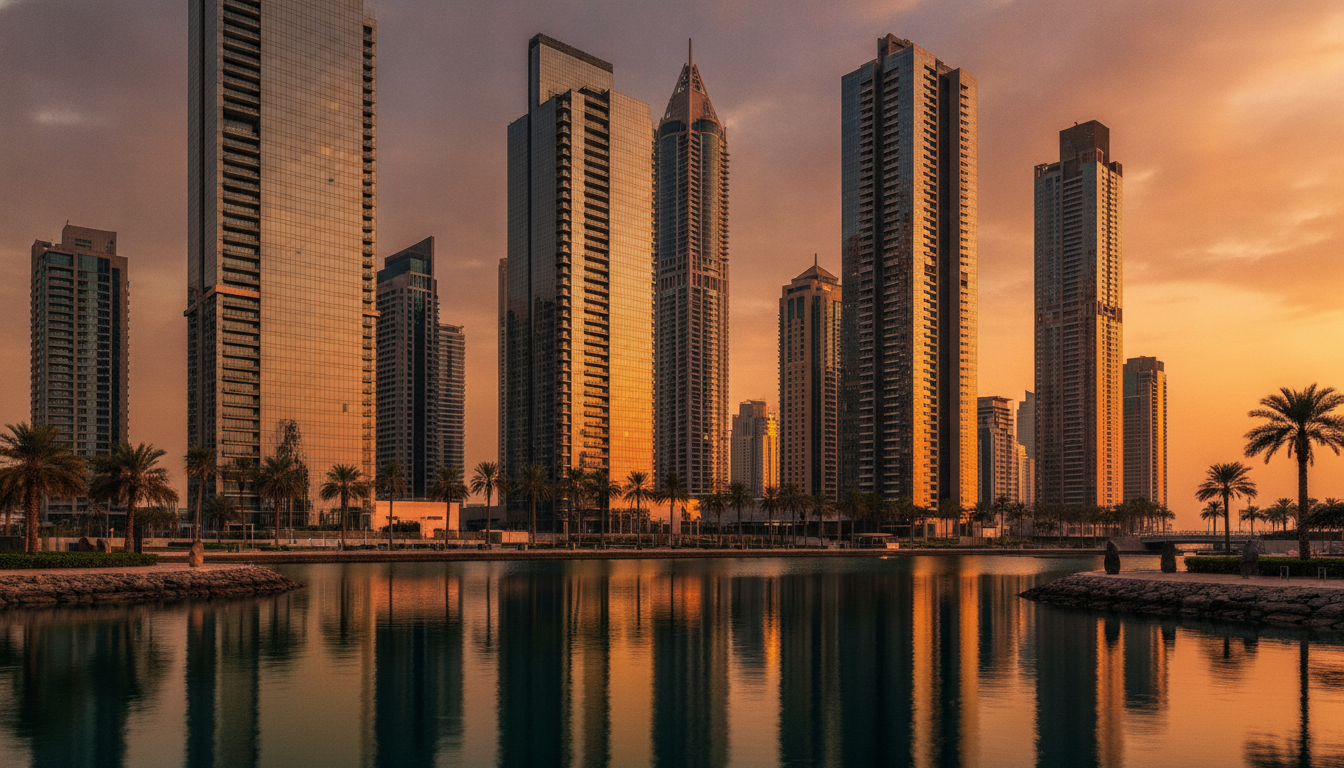
Dubai's real estate sector is witnessing exceptional momentum, with its rental market poised to achieve a record number of new contracts this year. This significant milestone reflects the emirate's dynamic economic expansion and its growing appeal as a destination for both businesses and individuals. The sustained demand for residential and commercial properties underscores a robust market environment, signaling strong investor and tenant confidence in Dubai's long-term prospects. This upward trajectory is not merely a statistical anomaly but a clear indicator of the emirate's successful diversification strategies and its ability to attract global talent and capital.
The surge in rental activity is a critical barometer of Dubai's economic health, directly correlating with population growth, job creation, and the influx of new businesses. As more companies establish or expand their operations in the emirate, and as professionals relocate to take advantage of career opportunities and a high quality of life, the demand for housing naturally escalates. This vibrant activity across various sectors, from technology and finance to tourism and logistics, creates a powerful multiplier effect, fueling the need for both residential units and commercial spaces. The government's proactive measures to enhance ease of doing business and foster an attractive living environment have played a pivotal role in cultivating this fertile ground for growth.
Driving Forces Behind the Rental Market Surge
Several interconnected factors are propelling Dubai's rental market towards this record-breaking performance. At the forefront is the emirate's impressive population growth, which has seen a substantial increase in residents over recent years. This demographic expansion is a direct result of Dubai's status as a global magnet for talent, offering diverse employment opportunities and a tax-friendly environment. Furthermore, the robust performance of key economic sectors, including tourism, retail, and financial services, has led to significant job creation, drawing in expatriates and local professionals alike. The return of international tourism to pre-pandemic levels has also stimulated demand for short-term rentals and hospitality-related employment, indirectly boosting the long-term rental market.
Moreover, Dubai's strategic initiatives, such as long-term visa options and golden visas, have encouraged a more permanent residency for many, transitioning them from short-term visitors to long-term tenants or homeowners. The emirate's world-class infrastructure, safety, and cosmopolitan lifestyle continue to be major draws. New business registrations have also seen a remarkable uptick, particularly within the startup and technology ecosystems, leading to increased demand for office spaces and employee housing. This comprehensive appeal, combining economic opportunity with an enviable quality of life, forms the bedrock of the current rental market boom.
Market Dynamics and Investor Confidence
The heightened demand has naturally influenced market dynamics, leading to an upward trend in rental prices across various segments. While this presents challenges for tenants seeking affordable options, it simultaneously signals healthy returns for property investors. Both apartments and villas have experienced significant increases in rental yields, making Dubai's real estate an attractive proposition for both local and international capital. The market is also characterized by a flight to quality, with newer, well-maintained properties in prime locations commanding premium rents. This trend encourages developers to focus on high-standard projects that meet the evolving expectations of a discerning tenant base.
Investor confidence remains high, bolstered by the transparent regulatory framework and the government's commitment to sustainable growth. The consistent appreciation in property values, coupled with strong rental income, positions Dubai as a resilient and profitable real estate investment hub. The market's ability to absorb new supply while maintaining strong occupancy rates further underscores its underlying strength. This environment fosters a positive feedback loop, where investor confidence drives new development, which in turn caters to the growing population, sustaining the market's upward momentum.
Economic Ripple Effects and Future Outlook
The exceptional performance of Dubai's rental market has far-reaching implications for the broader economy. A thriving real estate sector contributes significantly to the emirate's GDP, supports numerous ancillary industries such as construction, property management, and financial services, and generates substantial employment opportunities. It also enhances Dubai's reputation as a stable and attractive global investment destination, reinforcing its position on the world stage. The sustained growth in rental contracts is a testament to the effectiveness of Dubai's economic diversification strategies and its successful efforts to create a vibrant, inclusive, and future-ready urban environment.
Looking ahead, the outlook for Dubai's rental market remains optimistic. While the pace of growth may moderate, the underlying drivers , population expansion, economic diversification, and strategic government initiatives , are expected to ensure continued demand. Challenges such as maintaining affordability and managing new supply will require careful consideration from policymakers and developers. However, with Dubai's consistent focus on innovation, infrastructure development, and fostering a pro-business ecosystem, the emirate is well-positioned to navigate these dynamics and sustain its trajectory of growth, further solidifying its status as a leading global city.