
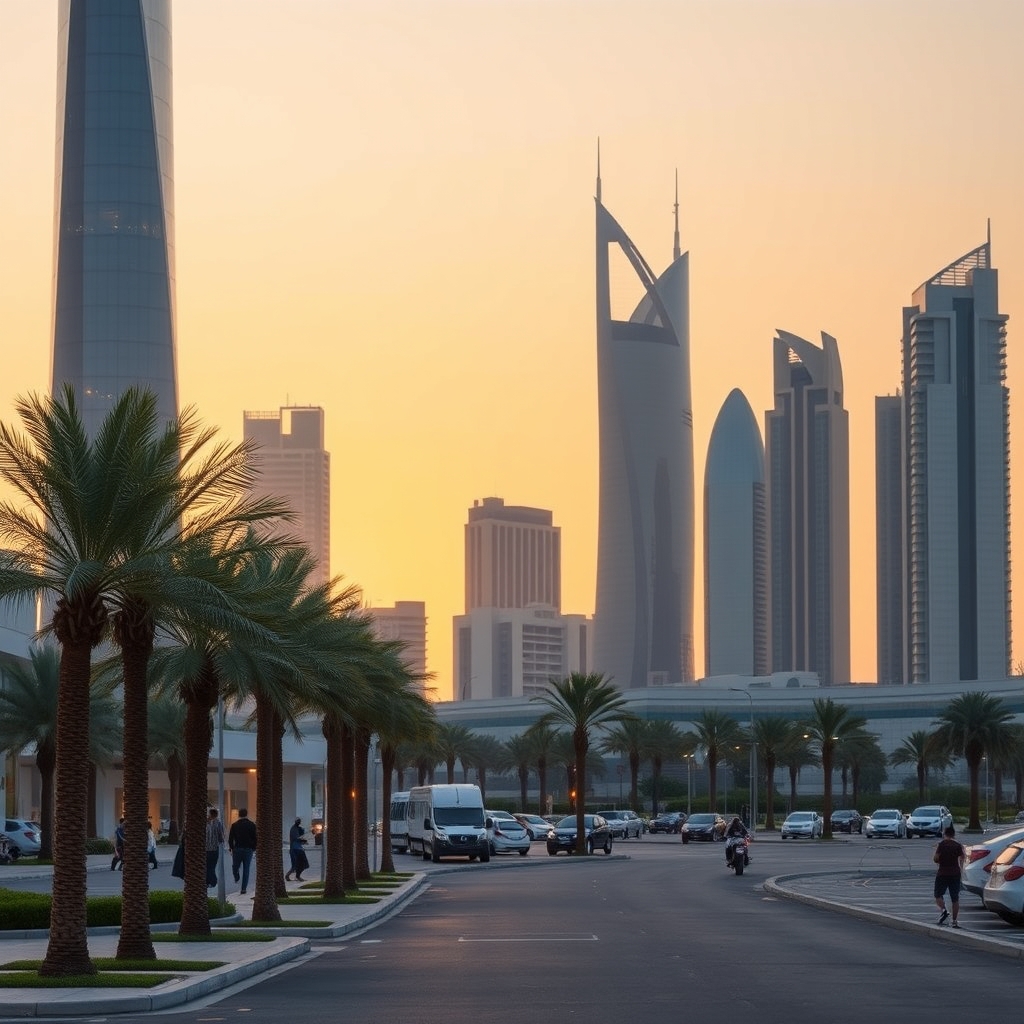
Sharjah’s Roads and Transport Authority (RTA) announced that all designated paid‑parking zones will remain operational until midnight beginning 1 July. The change adds six extra hours to the existing schedule, which currently ends at 6 p.m. for most areas. Municipal officials say the extension is designed to capture additional revenue, accommodate growing evening footfall and smooth traffic flow during peak leisure periods.
Revenue and Fiscal Impact
The RTA estimates that the additional hours could raise municipal parking receipts by up to AED 12 million in the first quarter after implementation. The figure is based on historical utilisation patterns in popular districts such as Al Qasimia, Al Nuaimi and the Al Majaz waterfront. By keeping spaces available later, the authority expects higher turnover from shoppers, diners and cinema‑goers who previously faced limited parking options after work hours.
The extra income will be earmarked for several city projects, including the upgrade of street lighting, the installation of smart‑metering devices and the expansion of digital payment platforms. These upgrades align with Sharjah’s broader smart‑city agenda, which aims to integrate IoT sensors and real‑time data analytics into everyday municipal services.
Traffic Management and Consumer Behaviour
Evening traffic congestion has long been a pain point for commuters travelling to and from Sharjah’s commercial hubs. By extending paid‑parking availability, the RTA hopes to disperse vehicle arrivals more evenly throughout the night, reducing the sharp peak that typically occurs between 5 p.m. and 7 p.m. Early pilot data from a limited trial in 2025 showed a 15 percent drop in queue lengths at key entry points when parking was available until 10 p.m.
Retailers and hospitality operators have welcomed the move, noting that late‑night shoppers often abandon purchases if they cannot find convenient parking. A survey conducted by the Sharjah Chamber of Commerce revealed that 68 percent of respondents would be more likely to visit malls or restaurants after 8 p.m. if parking were guaranteed. The extended hours therefore serve a dual purpose: they generate direct municipal revenue while indirectly supporting private sector sales.
Technology and Enforcement
To manage the longer operating window, the RTA will roll out a network of additional parking sensors and integrate them with the existing “SmartPark” mobile application. Users will be able to locate vacant spots, pay via credit card, mobile wallet or the Emirates ID, and receive real‑time alerts when their session is about to expire. The system also includes automated violation detection, reducing the need for manual patrols and ensuring compliance across the expanded timeframe.
The authority plans to pilot a dynamic pricing model in high‑demand zones, adjusting rates based on occupancy levels. This approach mirrors strategies employed in Dubai and Abu Dhabi, where variable pricing has successfully balanced demand and maximised revenue without deterring drivers.
What to Watch
The midnight extension sets a new benchmark for municipal parking policy in the UAE. Observers will monitor whether the projected revenue gains materialise and how quickly traffic patterns adjust. If successful, other emirates may consider similar extensions, especially in areas with vibrant night‑time economies such as Al Ain and Ras Al Khaimah.
Stakeholders should also keep an eye on the adoption rate of the upgraded SmartPark platform. High user engagement could accelerate the rollout of further smart‑city initiatives, including integrated multimodal transport tickets and AI‑driven traffic forecasting. Conversely, any technical glitches or public resistance to longer paid‑parking periods could prompt a policy review.
Overall, Sharjah’s decision reflects a pragmatic blend of fiscal ambition and urban‑mobility planning. By aligning parking availability with consumer habits and leveraging digital tools, the emirate aims to enhance the evening experience for residents and visitors while reinforcing its financial base for future infrastructure projects.