

Why AI Inference Is the Next Big Opportunity in the Tech Industry
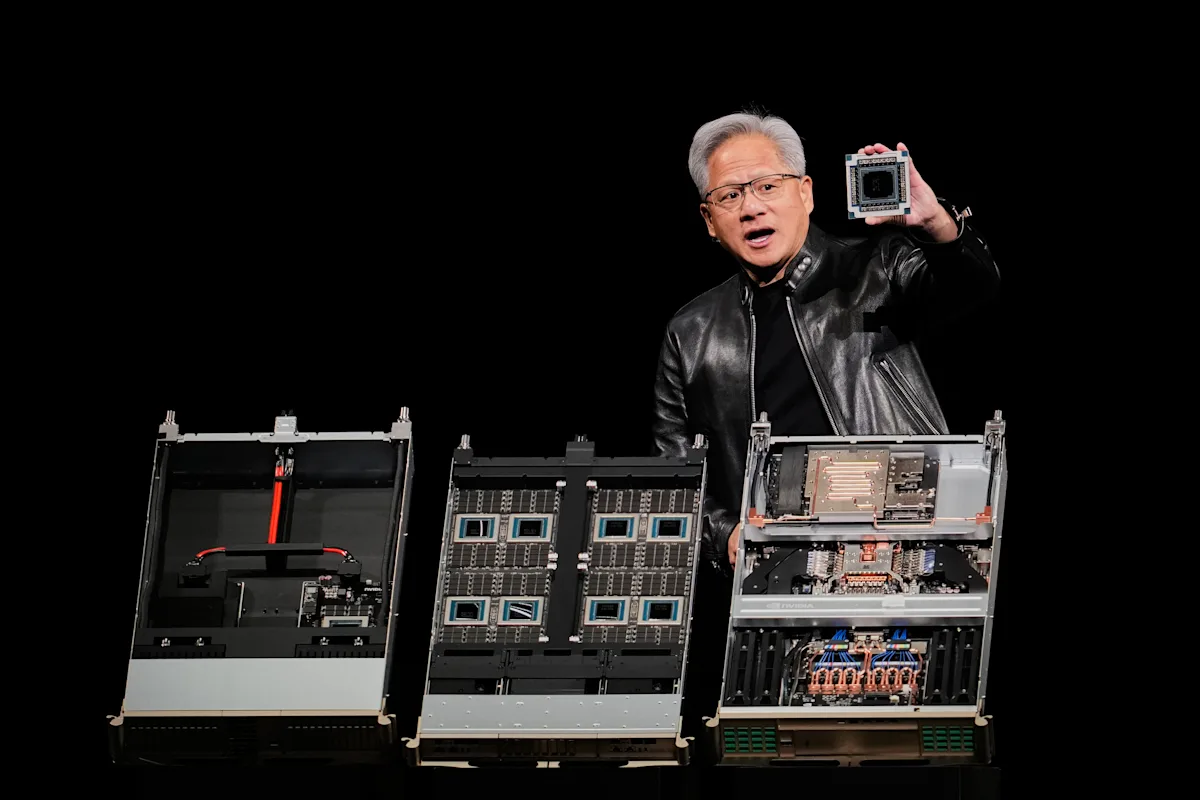
Nvidia CEO heralds ‘inference inflection’ as next phase of AI boom, backed by $1 trillion in orders
The artificial intelligence industry has spent the last few years focused on training large models, but the spotlight is now shifting to something equally important — inference. Inference is the process where trained AI models actually do useful work, like answering questions, generating images, or making predictions in real time. As more businesses adopt AI tools, the demand for inference computing power is exploding.
Training an AI model requires massive amounts of computing power over weeks or months to teach the system how to recognize patterns. Inference, on the other hand, happens every time someone uses that trained model. Think of training as studying for an exam and inference as actually taking it. While training is a one-time investment, inference runs continuously and at scale, which means it could eventually require even more computing resources than training itself.
Major semiconductor companies are racing to develop hardware optimized specifically for inference workloads. These chips need to be fast, energy-efficient, and cost-effective because they will power everything from chatbots and search engines to autonomous vehicles and medical diagnostics. The companies that build the best inference hardware will have a massive advantage as AI becomes embedded in everyday products and services.
Industry analysts believe that the inference market could grow into one of the largest segments of the entire technology sector. Every company that uses AI — whether a tech giant or a small startup — needs inference capacity. Cloud providers, enterprise software firms, and hardware manufacturers are all competing to capture a share of this rapidly growing market. The winners will be those who deliver the best performance at the lowest cost.
AI inference is quickly becoming the engine that turns experimental technology into real-world products. As this shift accelerates, it will create new opportunities for businesses, investors, and workers across the global tech landscape.
