

How the UAE Keeps Its Food Supply Chain Strong and Consumer-Friendly
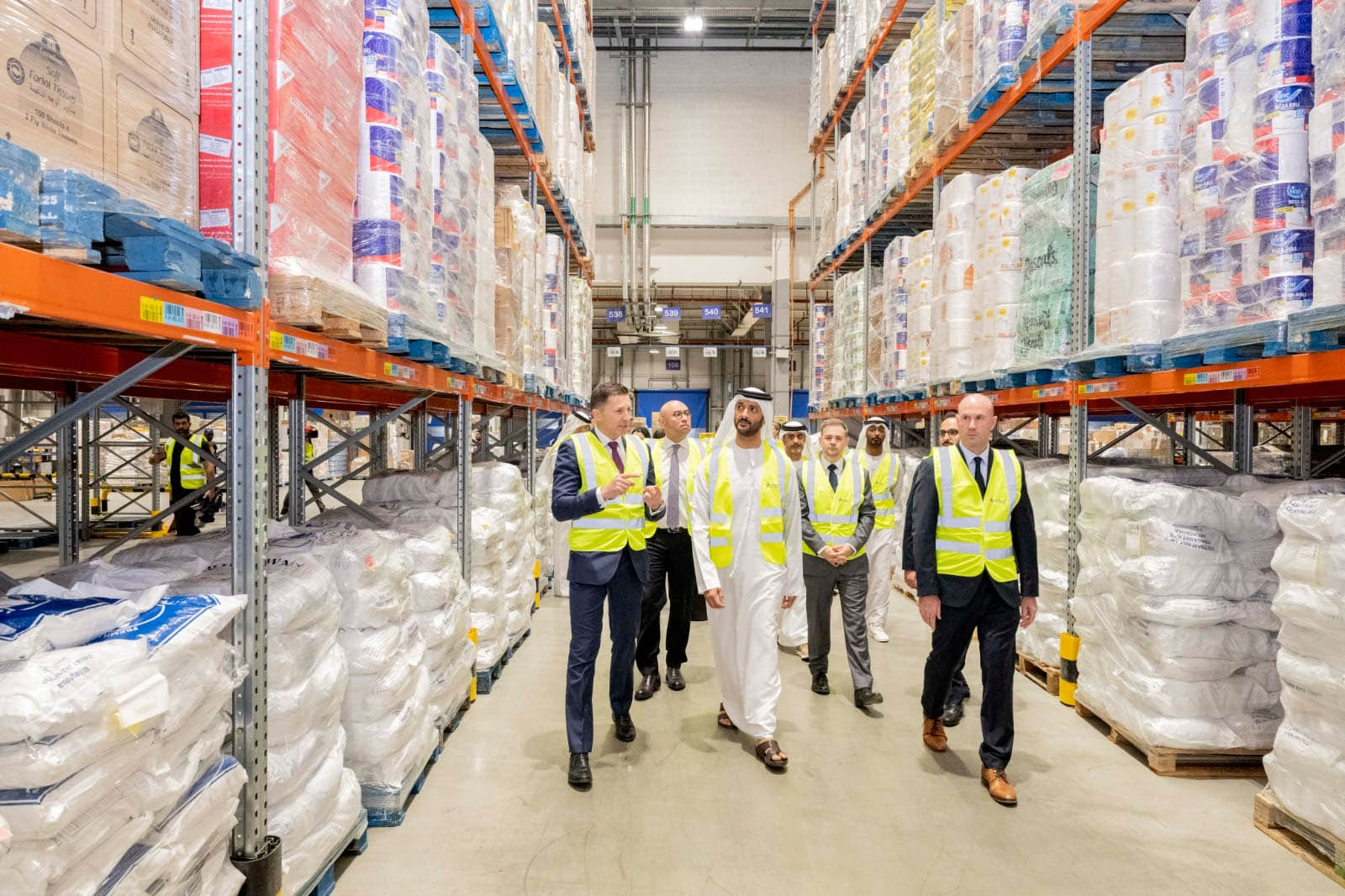
Food security is a top priority for the UAE, and the country has built one of the most efficient supply chain systems in the region. Government officials regularly inspect distribution centers and retail operations to make sure that quality standards are maintained and that consumers have access to affordable, safe products year-round.
The UAE takes a hands-on approach to food safety. Senior officials frequently visit major distribution hubs to review procurement processes, storage conditions, and logistics operations. These inspections are not just symbolic — they lead to real policy adjustments that improve how food reaches shelves across the country. By staying closely involved, the government sends a clear message that consumer protection is non-negotiable.
One of the reasons the UAE food supply chain works so well is the close collaboration between government agencies and private retailers. Large grocery chains invest heavily in temperature-controlled warehouses, advanced inventory systems, and direct sourcing relationships with global suppliers. When government leaders visit these facilities, it strengthens the partnership and creates opportunities to address any gaps before they become problems.
Many countries in the Gulf and beyond look to the UAE as an example of how to manage food security in a hot climate with limited agricultural land. The combination of strategic reserves, diversified import sources, and strict quality controls has helped the nation maintain stable food prices even during global disruptions. This approach protects both residents and the broader economy from unexpected shocks.
The UAE continues to prove that food security is not just about having enough supply — it is about building systems that are transparent, well-managed, and focused on the needs of everyday consumers.
