
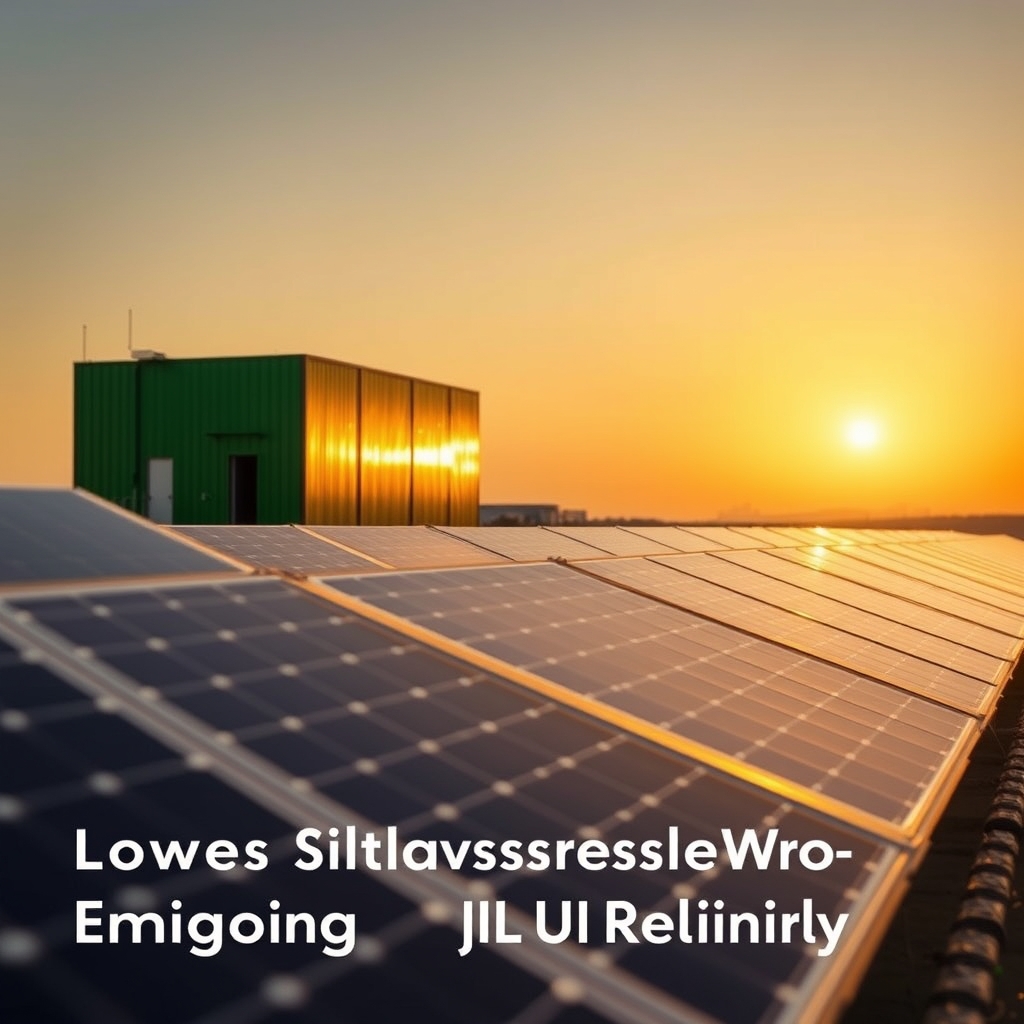
The United Arab Emirates is emerging as the Gulf’s most active market for renewable power, with new solar farms and offshore wind projects driving a measurable dip in carbon emissions across the GCC. While the shift signals a growing appetite for clean energy, the region’s entrenched oil and gas sector still accounts for the bulk of energy supply, keeping overall climate pressure high.
Renewable Growth Accelerates in the UAE
Since 2022 the UAE has added more than 12 gigawatts of solar capacity, largely through utility‑scale photovoltaic parks in Abu Dhabi and Dubai. The Federal Electricity and Water Authority (FEWA) reports that renewable generation now supplies roughly 18 % of the nation’s electricity mix, up from just 9 % three years ago. Key developments include:
- The Mohammed bin Rashid Al Maktoum Solar Park reaching 5 GW, making it one of the world’s largest single‑site solar complexes.
- A 1.5 GW offshore wind project off the coast of Fujairah, slated for commercial operation by 2028.
- A series of hybrid solar‑storage installations that allow the grid to balance intermittent generation without curtailment.
These projects have been underpinned by aggressive policy measures such as the UAE Energy Strategy 2050, which targets 50 % clean electricity by mid‑century, and generous feed‑in tariffs that guarantee stable returns for investors. The result is a steady flow of foreign direct investment (FDI) into the renewable sector, with the International Renewable Energy Agency estimating AED 3.2 billion in new capital commitments for the UAE in 2025 alone.
Emissions Impact Across the GCC
The expansion of clean power in the UAE has had a ripple effect throughout the GCC. Regional emissions inventories released by the Gulf Climate Observatory show a 4.2 % reduction in CO₂ output for the bloc in 2025, the first decline recorded since the early 2010s. Analysts attribute roughly two‑thirds of this improvement to the UAE’s renewable rollout, while Saudi Arabia’s modest solar additions and Qatar’s modest efficiency programmes account for the remainder.
Nevertheless, the overall emissions trajectory remains upward when oil and gas production are factored in. Hydrocarbon extraction and downstream processing still generate more than 70 % of the GCC’s total greenhouse‑gas emissions. The sector’s contribution to national GDP, over 30 % for the UAE, means that any rapid decarbonisation effort must reconcile economic stability with environmental ambition.
### Key Drivers of Continued Oil Dependence
- Revenue Structure: Oil royalties continue to fund a large share of public spending, limiting fiscal space for large‑scale green subsidies.
- Export Markets: The GCC’s energy exports to Europe and Asia remain robust, with global demand for crude and LNG outpacing the growth of renewable trade.
- Infrastructure Legacy: Existing power plants, pipelines and refineries are capital‑intensive assets that require decades to retire or repurpose.
What the Market Should Watch
The UAE’s renewable momentum is likely to attract additional private‑sector capital, especially from sovereign wealth funds seeking diversification beyond oil. Investors should monitor the upcoming Dubai Green Bond issuance, which aims to finance further solar and storage projects. At the same time, policy makers are expected to tighten carbon‑pricing mechanisms, a move that could accelerate the shift away from fossil‑fuel generation.
Regional utilities are also exploring green hydrogen as a bridge technology. Feasibility studies in Abu Dhabi suggest that by 2032 the emirate could export up to 1 million tonnes of low‑carbon hydrogen, leveraging its abundant renewable electricity. If realized, this could create a new export stream that offsets some of the revenue loss from declining oil sales.
In the short term, the balance between clean‑energy expansion and oil‑sector resilience will dictate the GCC’s climate outlook. While the UAE’s renewable projects have already delivered a noticeable emissions dip, the broader regional reliance on hydrocarbons means that total carbon output will likely remain elevated for the foreseeable future.
Looking ahead, the key question for investors and policymakers alike is whether the UAE can translate its early renewable successes into a sustainable, low‑carbon growth model that reduces the GCC’s overall emissions without jeopardising fiscal stability. The next few years of policy adjustments, financing structures, and technology pilots will determine if the Gulf can move from incremental emissions cuts to a more decisive climate trajectory.