
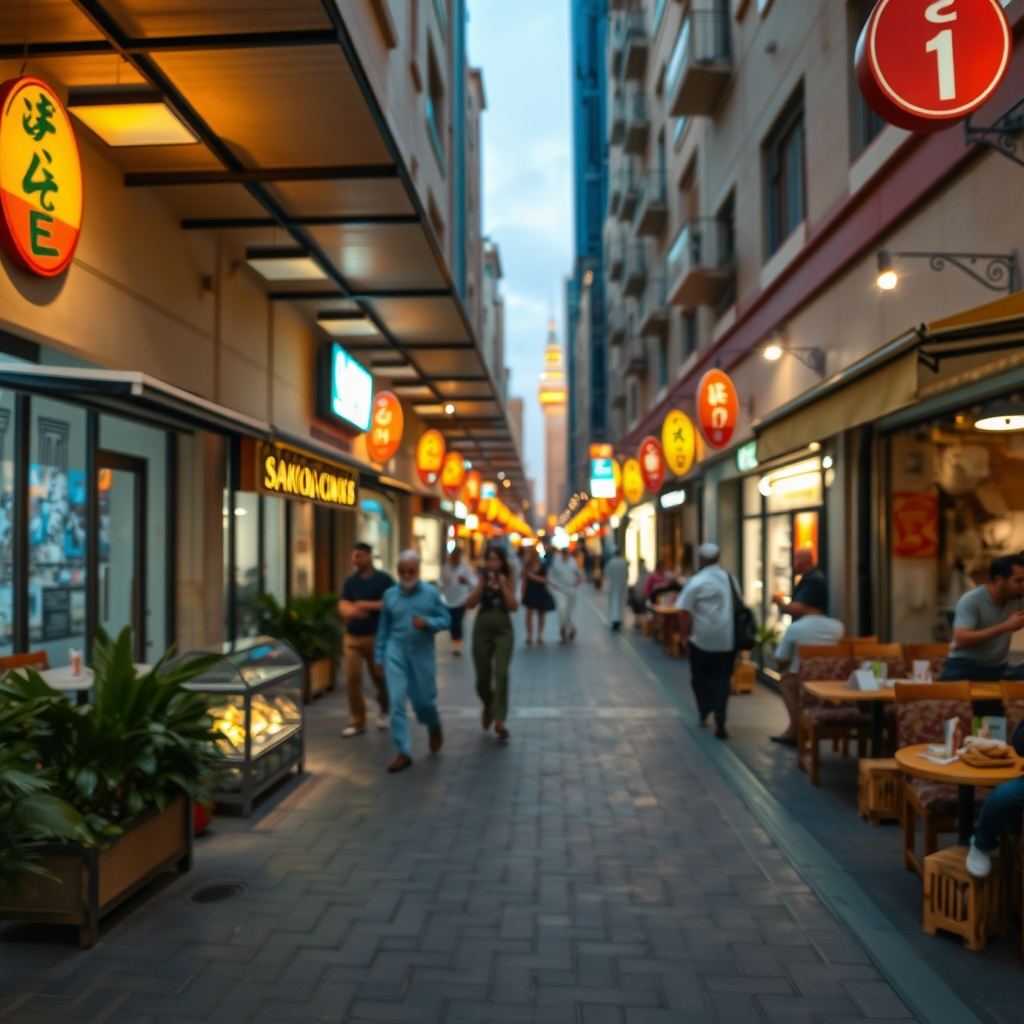
The UAE’s National Day festivities have evolved into a high‑tech showcase that fuels the local events market and highlights the nation’s ambition to blend culture with cutting‑edge technology. Over 54 years, the celebrations have grown from simple flag‑raising ceremonies to elaborate drone light shows, drawing tourists, sponsors and technology providers alike. According to Khaleej Times (UAE) via GNews, the latest parade featured synchronized drones that traced the UAE flag across the sky, underscoring a strategic push to position the country as a hub for immersive event experiences.
Tech‑Driven Spectacles Power the Events Industry
Dubai and Abu Dhabi have turned National Day into a testing ground for commercial drone applications. Companies that supply aerial choreography are now able to demonstrate capabilities to a captive audience of potential clients from hospitality, real‑estate and tourism sectors. The visibility of these displays translates into contracts for future concerts, expos and sports broadcasts, creating a ripple effect across the supply chain.
- Equipment manufacturers report a 22 % rise in orders for programmable drones during the holiday period.
- Event planners cite the National Day showcase as a benchmark for integrating AI‑controlled lighting with live performances.
- Tourism operators note a 15 % increase in bookings from regional visitors who attend the celebrations, boosting hotel occupancy rates in Sharjah and Ras Al Khaimah.
The economic impact extends beyond the spectacle itself. The Ministry of Economy estimates that large‑scale public events contribute roughly AED 1.2 billion annually to the UAE’s GDP, a figure that includes spending on food vendors, transportation, and merchandise. By embedding advanced technology, the government is not only enhancing the visitor experience but also cultivating a domestic ecosystem of innovators who can export similar services to other Gulf markets.
Broadcast Rights and Global Sports Capture Audience Attention
While the National Day parade dominates the domestic calendar, the UAE’s media landscape is also riding a wave of international sports coverage. A recent football match between Uruguay and Argentina, highlighted by Khaleej Times (UAE) via GNews, marked the first game after Lionel Messi’s retirement. The match attracted a sizable viewership in the UAE, where expatriate communities and local fans alike tune in through satellite and streaming platforms.
The surge in sports viewership creates ancillary revenue streams for broadcasters, advertisers and digital platforms. Advertising slots during high‑profile matches command premium rates, and sponsors leverage the dual exposure of sports and national celebrations to amplify brand messaging. Analysts project that the convergence of live‑event tech and sports broadcasting could add an extra AED 300 million to the media sector’s earnings by 2027, as advertisers seek integrated campaigns that span both physical and virtual arenas.
Safety Concerns Prompt Review of Transport Infrastructure
Amid the celebratory mood, a tragic road accident claimed the lives of two twins and a grandson, a story reported by Khaleej Times (UAE) via GNews. The incident, which occurred during a period of heightened traffic due to holiday travel, has reignited discussions about road safety and emergency response capabilities.
Logistics firms and municipal authorities are now under pressure to enhance real‑time monitoring systems, improve driver training and upgrade vehicle safety standards. The transport sector, which underpins the movement of equipment for events and the flow of spectators to venues, could see regulatory tightening that adds compliance costs but also opens opportunities for tech‑driven solutions such as AI‑based traffic management and connected vehicle platforms.
Stakeholders are watching for policy announcements that could reshape the cost structure for event organizers, who rely on efficient freight and passenger movement. A more robust safety framework may also reassure international partners, reinforcing the UAE’s reputation as a reliable destination for large‑scale productions.
Looking Ahead
The convergence of high‑tech National Day displays, growing appetite for global sports content and a renewed focus on transport safety paints a complex picture for the UAE’s events economy. Companies that can fuse drone choreography, AI analytics and secure logistics are likely to capture a larger share of the market. Investors should monitor upcoming regulatory updates from the Ministry of Infrastructure and the Telecommunications Regulatory Authority, as well as the rollout of smart‑city initiatives that promise tighter integration of public‑space technology.
In the months ahead, the UAE’s ability to balance spectacle with safety will determine whether its event‑driven growth remains sustainable and continues to attract both regional and international capital.