
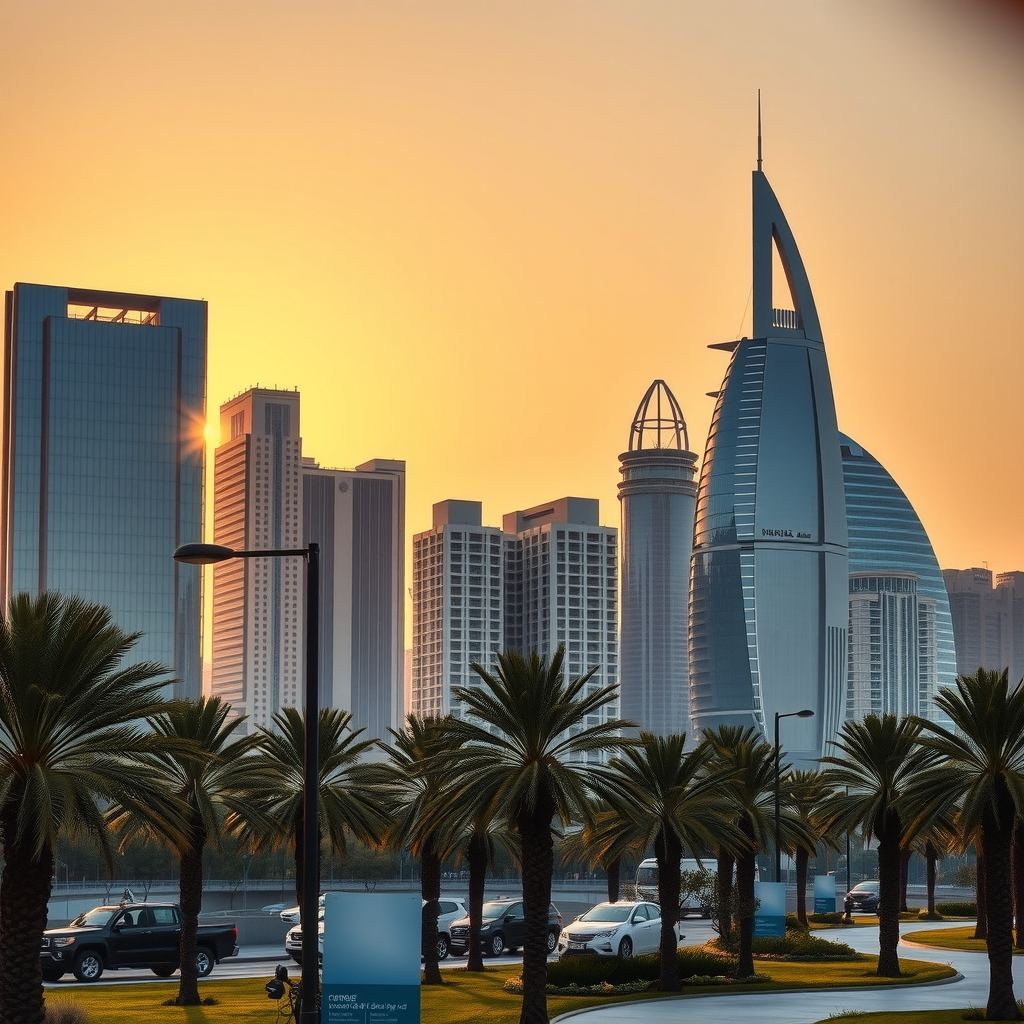
UAE Economy Grows 6.2% on Strong Non‑Oil Momentum
The latest figures released by the UAE government show a 6.2% rise in GDP, the highest growth rate in a decade. According to Khaleej Times (UAE) via GNews, the surge is largely attributed to the non‑oil sector, which now accounts for more than 70 % of total economic activity.
Key contributors include tourism, retail, real estate, and financial services. The tourism sector alone added 4.5 % to GDP, buoyed by record numbers of international visitors and a steady rise in hotel occupancy rates. Retail sales grew 3.8 %, reflecting increased consumer confidence and a shift toward e‑commerce platforms. Real‑estate development projects, especially in Dubai and Abu Dhabi, have seen a 5 % uptick in investment, driven by new mixed‑use developments and a growing expatriate population.
Financial services continue to expand, with the Dubai International Financial Centre (DIFC) reporting a 6 % increase in cross‑border transactions. The tech ecosystem also shows promise, with several start‑ups securing Series A funding rounds that collectively raised over AED 200 million.
These figures underscore the UAE’s successful diversification strategy, reducing reliance on hydrocarbons and positioning the country as a regional hub for business, innovation, and tourism.
Global Village Floats as a Gastronomic Showcase
While macro‑economic data paints a broad picture, the Global Village floating market provides a tangible snapshot of consumer behaviour and cultural exchange. Gulf News (UAE) via GNews highlighted the 31st season of the event, noting that the market’s unique “floating” concept has become a major draw for both locals and tourists.
The market offers more than 200 food stalls, each priced around Dh 25, creating an affordable yet diverse culinary experience. Attendees can sample dishes from across the world, from Middle Eastern kebabs to Asian street food, all while enjoying live entertainment and cultural performances. The event’s design, stalls arranged on a series of platforms that appear to hover over the water, adds a visual appeal that has been praised by visitors.
Beyond food, the market serves as a platform for local artisans and small businesses to showcase their products. This aligns with the UAE’s broader economic vision of nurturing entrepreneurship and supporting the creative economy. The event’s success is reflected in the high footfall numbers, with estimates suggesting that over 1.5 million visitors attended during the season.
The floating market’s popularity also signals a robust tourism sector, as visitors often combine the experience with other attractions such as the Dubai Mall, Burj Khalifa, and the newly opened Alserkal Avenue art district. This synergy boosts ancillary spending in hospitality, transportation, and retail, further contributing to GDP growth.
Implications for Investors and the GCC
The combination of strong GDP growth and vibrant consumer events like Global Village offers several signals for investors. First, the non‑oil sector’s expansion indicates a resilient economic base that can absorb global shocks. Second, the rise in consumer spending, especially in hospitality and retail, suggests that the UAE market remains attractive for retail and service‑sector investments.
Foreign direct investment (FDI) flows have also shown encouraging trends. The UAE’s open‑economy policies, coupled with free‑zone incentives, have attracted capital from across the GCC and beyond. The Dubai International Financial Centre and Abu Dhabi’s ADGM continue to offer a regulatory environment that appeals to international banks and fintech firms.
For the wider GCC, the UAE’s performance sets a benchmark. Neighboring economies can look to replicate the diversification model, focusing on technology, tourism, and creative industries. The success of events like Global Village demonstrates the potential of cultural tourism as a revenue driver, encouraging other GCC states to invest in similar initiatives.
What to Watch Ahead
Looking forward, several factors will shape the UAE’s economic trajectory. First, the government’s upcoming Vision 2030 roadmap emphasizes sustainability and digital transformation, which could unlock new growth avenues in green technology and AI. Second, the tourism sector will need to maintain its momentum, especially as global travel patterns evolve post‑pandemic.
The hospitality industry should monitor consumer preferences for experiential travel and sustainable practices, as these trends influence spending patterns. Additionally, the real‑estate market will need to balance supply with demand, ensuring that new developments remain aligned with market needs.
Finally, investors should keep an eye on policy changes that could affect FDI, such as adjustments to visa regulations, tax incentives, and free‑zone reforms. These measures will determine how easily foreign capital can enter and thrive within the UAE economy.
In sum, the UAE’s 6.2% GDP growth, driven by a robust non‑oil sector, coupled with vibrant consumer events like the Global Village floating market, paints a picture of a dynamic, diversified economy. The country’s continued focus on innovation, tourism, and entrepreneurship positions it well for sustained growth and offers a compelling case for both local and international investors.