
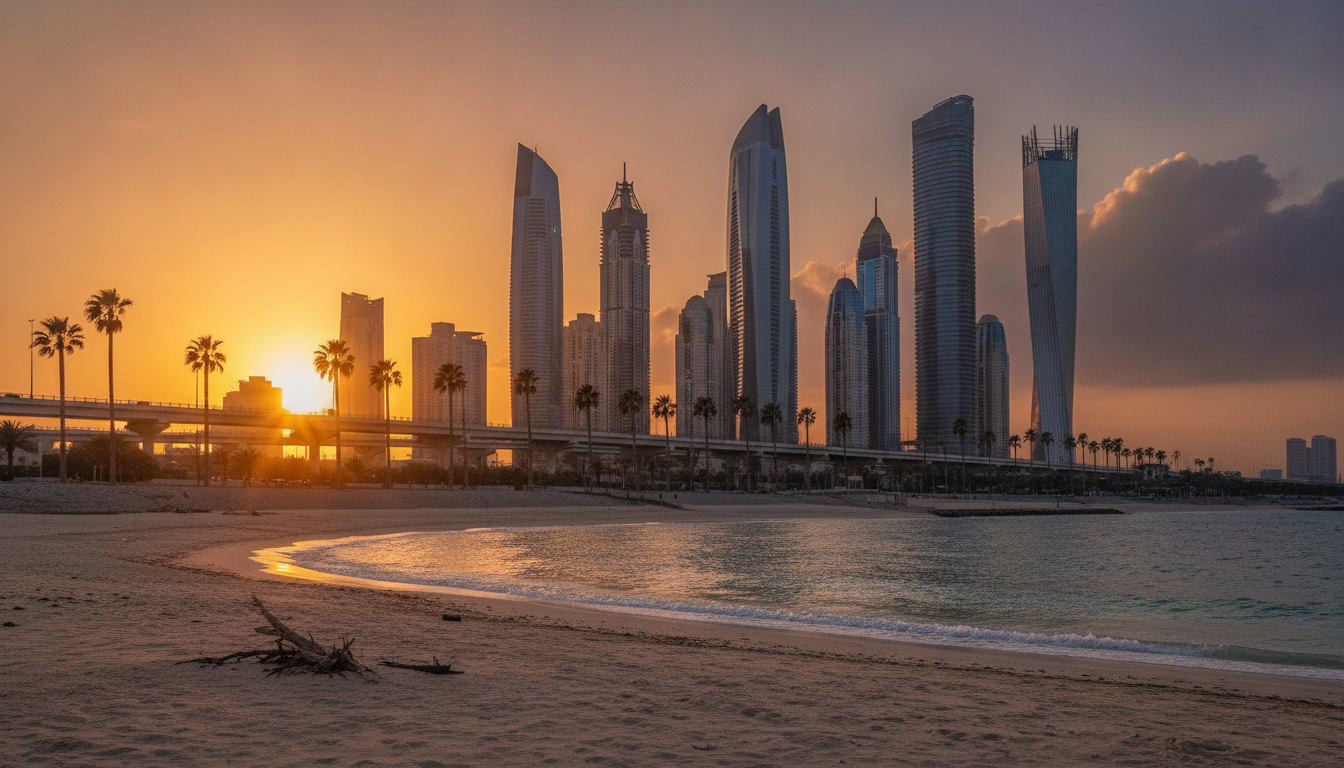
As the UAE navigates its characteristic summer climate, forecasts indicating high temperatures, potentially reaching 46°C in Abu Dhabi, alongside a chance of scattered rainfall in eastern regions, underscore the dynamic interplay between weather patterns and economic activity. These conditions are not merely daily observations but critical factors influencing operational strategies across diverse sectors, from construction and logistics to energy management and retail. The nation's robust infrastructure and proactive planning are continually tested by these climatic realities, driving innovation in energy efficiency and workforce management to ensure sustained economic momentum.
The summer months in the UAE invariably bring a surge in demand for cooling, placing significant emphasis on the resilience and capacity of the national power grid. Simultaneously, managing outdoor work environments under intense heat becomes a paramount concern for worker safety and productivity. The intermittent possibility of rain, while offering a temporary respite from the heat, also introduces localized challenges such as reduced visibility and potential disruptions to transportation networks, requiring agile responses from businesses and public services.
Operational Resilience and Workforce Safety
The intense summer heat in the UAE necessitates stringent measures to safeguard the health and productivity of the workforce, particularly those engaged in outdoor activities. Regulations such as the midday break rule, enforced by the Ministry of Human Resources and Emiratisation, are crucial. This mandate typically prohibits outdoor work during the hottest hours of the day, ensuring that sectors like construction, landscaping, and delivery services adapt their schedules. Businesses in these areas must implement staggered shifts, provide shaded rest areas, ensure adequate hydration, and offer regular health monitoring to comply with labor laws and maintain operational continuity. This approach not only protects employees but also contributes to a more sustainable and ethical business environment.
Beyond direct labor considerations, high temperatures impact the efficiency of machinery and equipment, potentially leading to increased maintenance costs or downtime. Logistics and supply chain operations, for instance, must account for the need for temperature-controlled storage and transportation for sensitive goods, and plan delivery routes to avoid peak heat exposure. The occasional summer rainfall, though often brief and localized to mountainous and eastern areas, can also present challenges. It may lead to temporary road closures, reduced visibility, and increased traffic congestion, requiring businesses to have contingency plans for disrupted supply chains and customer deliveries. These climatic variables collectively underscore the importance of robust operational planning and risk management frameworks for businesses operating within the UAE.
Energy Demand and Infrastructure Strain
The primary economic implication of the UAE's summer weather is the substantial increase in energy consumption, predominantly driven by the pervasive need for air conditioning. This surge places considerable demand on the national electricity grid, managed by entities like the Dubai Electricity and Water Authority (DEWA) and the Abu Dhabi Distribution Company (ADDC). Meeting this peak demand efficiently and sustainably is a core strategic objective for the UAE, aligning with its broader vision for energy security and environmental stewardship.
The nation has made significant investments in diversifying its energy mix, with a strong focus on renewable sources such as solar power. Landmark projects like the Mohammed bin Rashid Al Maktoum Solar Park in Dubai and the Noor Abu Dhabi solar plant are pivotal in bolstering the grid's capacity and reducing reliance on traditional fossil fuels. Furthermore, the UAE is actively implementing smart grid technologies and promoting energy efficiency initiatives across residential, commercial, and industrial sectors. These efforts include encouraging the adoption of energy-efficient appliances, promoting smart building designs that minimize heat gain, and raising public awareness about responsible energy consumption. The goal is not only to meet current demand but also to build a resilient energy infrastructure capable of supporting future growth while minimizing environmental impact, demonstrating a forward-thinking approach to climate challenges.
Sectoral Adaptations and Economic Implications
The distinctive summer climate in the UAE prompts various sectors to adapt their strategies, influencing consumer behavior and market dynamics. The retail and hospitality sectors, for example, experience a shift towards indoor activities. Shopping malls transform into vibrant community hubs, offering a cool respite and a wide array of entertainment options. This drives increased footfall to indoor attractions, restaurants, and entertainment venues, while outdoor activities and events might see reduced participation during the hottest hours. Hotels often adjust their offerings, emphasizing indoor amenities and experiences to cater to guests seeking comfort from the heat.
For the construction industry, the midday break rule and the need for specialized equipment to operate in high temperatures can impact project timelines and costs. However, the sector has developed sophisticated planning and execution strategies to mitigate these challenges, ensuring that ambitious development projects continue apace. In the logistics and transportation sector, the focus remains on efficient scheduling and maintaining optimal conditions for cargo, particularly perishable goods. Even in the nascent agricultural sector, the extreme heat accelerates the adoption of advanced agritech solutions, such as vertical farming and hydroponics, which allow for controlled indoor environments, reducing reliance on external weather conditions and conserving water resources. These adaptations highlight the UAE's capacity for innovation and its commitment to fostering a resilient and diversified economy capable of thriving under various climatic conditions.
Looking ahead, the UAE's proactive stance on climate resilience and sustainable development will continue to shape its economic landscape. Investments in smart city infrastructure, advanced weather monitoring systems, and green technologies are not just responses to immediate climatic challenges but integral components of the nation's long-term strategic vision. By continuously enhancing its capacity to manage extreme weather events and optimize resource utilization, the UAE is positioning itself as a global leader in sustainable growth, ensuring business continuity and a high quality of life for its residents, even as global climate patterns evolve.