
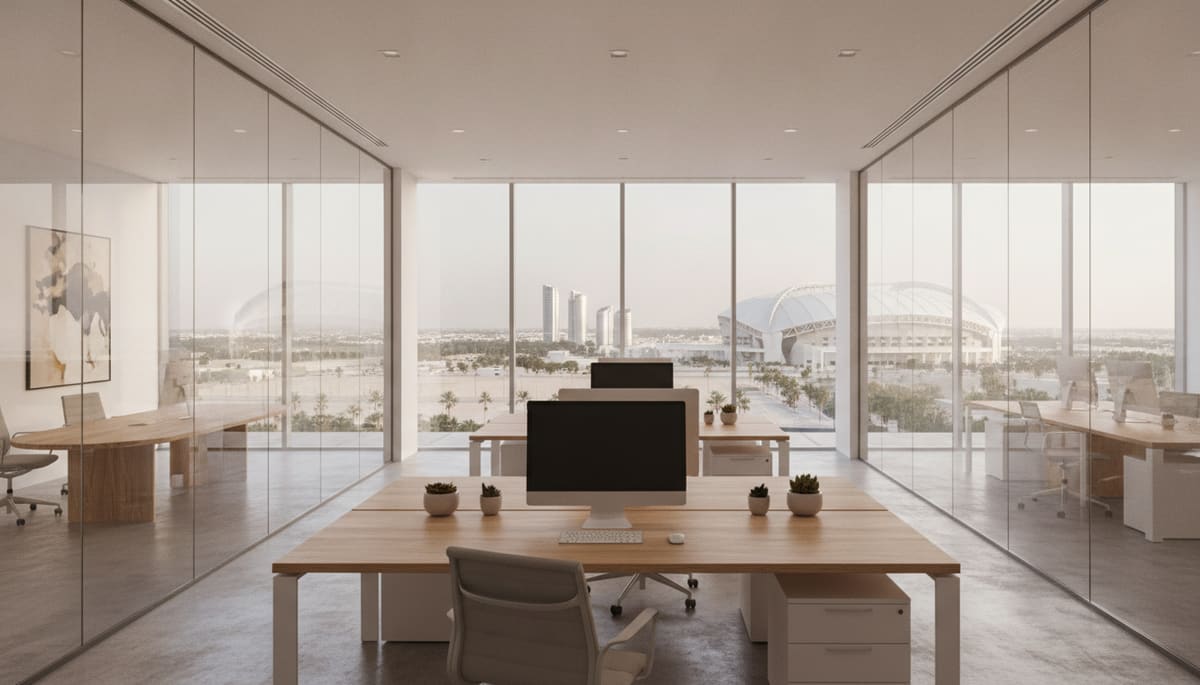
The Sheikh Zayed Stadium in Abu Dhabi has emerged as a pivotal asset in the UAE's strategic drive towards economic diversification, extending far beyond its primary role as a world-class sporting arena. This iconic venue is not merely a site for athletic contests; it functions as a significant economic engine, attracting international visitors, stimulating the hospitality sector, and reinforcing Abu Dhabi's reputation as a premier global hub for large-scale events. Its operational success and capacity to host diverse gatherings underscore the emirate's substantial investment in infrastructure designed to foster sustainable economic growth and enhance its international profile.
A Pillar of Sports and Entertainment Infrastructure
Constructed as a testament to Abu Dhabi's ambition, Sheikh Zayed Stadium boasts state-of-the-art facilities and an impressive capacity, making it suitable for a wide array of international events. While renowned globally for hosting high-profile cricket matches, its versatile design allows for the seamless transition to other major spectacles, including concerts, cultural festivals, and large corporate gatherings. The stadium's modern amenities, including advanced lighting, sound systems, and spectator comfort features, ensure a premium experience for attendees and participants alike. This adaptability is crucial for an economy focused on maximizing the utility of its infrastructure investments.
The development and ongoing maintenance of such a significant facility represent a substantial commitment to urban and economic planning. It provides direct employment opportunities in venue management, operations, and event logistics, while also stimulating demand for specialized services from local businesses. Furthermore, the stadium's existence encourages the development of surrounding areas, including transport links, accommodation, and retail outlets, creating a ripple effect that benefits the broader urban landscape. This integrated approach to infrastructure development is a hallmark of the UAE's strategy to build resilient and diversified economic ecosystems.
Driving Economic Growth Through Events
The economic impact generated by Sheikh Zayed Stadium is multifaceted and substantial. Each major event hosted at the venue acts as a catalyst for various sectors of the Abu Dhabi economy. The influx of international teams, support staff, media, and, crucially, spectators, translates directly into increased demand for hotel rooms, dining experiences, and local transportation services. This boost to the tourism and hospitality industries is a key component of the emirate's non-oil GDP growth strategy.
Beyond direct spending, the stadium contributes to the "event economy" by attracting significant media coverage, which in turn provides invaluable global exposure for Abu Dhabi as a destination. This enhanced visibility can lead to increased foreign direct investment (FDI) and further tourism interest, creating a virtuous cycle of economic activity. Local businesses, from small enterprises to large corporations, benefit from the increased footfall and the need for event-related services, ranging from catering and security to merchandise and marketing. The stadium thus serves as a powerful platform for showcasing the emirate's capabilities and attractions on an international stage, reinforcing its brand as a dynamic and welcoming destination for both business and leisure.
The UAE's Growing Global Event Footprint
Sheikh Zayed Stadium is a prime example of the UAE's broader strategy to position itself as a leading global hub for major events, conferences, and exhibitions. This vision is supported by significant government investment in world-class infrastructure, robust regulatory frameworks, and a commitment to safety and security. The success of venues like Sheikh Zayed Stadium contributes to a national narrative of innovation and ambition, demonstrating the country's capacity to host events of any scale and complexity.
The UAE's strategic location, connecting East and West, coupled with its advanced connectivity and logistics networks, provides a distinct competitive advantage in the global event market. By consistently delivering successful international events, the nation enhances its soft power and strengthens its relationships on a global scale. This proactive approach to developing an event-driven economy aligns with the broader national agenda of economic diversification, reducing reliance on traditional sectors and fostering growth in knowledge-based and service-oriented industries. The stadium's role is integral to this larger picture, serving as a tangible symbol of the UAE's commitment to building a vibrant, future-ready economy.
Looking ahead, the continued evolution of Sheikh Zayed Stadium and similar venues across the UAE will likely involve further integration of smart technologies to enhance visitor experiences and operational efficiencies. As Abu Dhabi continues to attract a diverse portfolio of international events, the stadium's strategic importance as an economic driver will only grow. Its ability to adapt to changing market demands and leverage technological advancements will be crucial in maintaining its competitive edge and ensuring its ongoing contribution to the emirate's prosperous future and the UAE's standing as a global leader in the event and entertainment industries.