
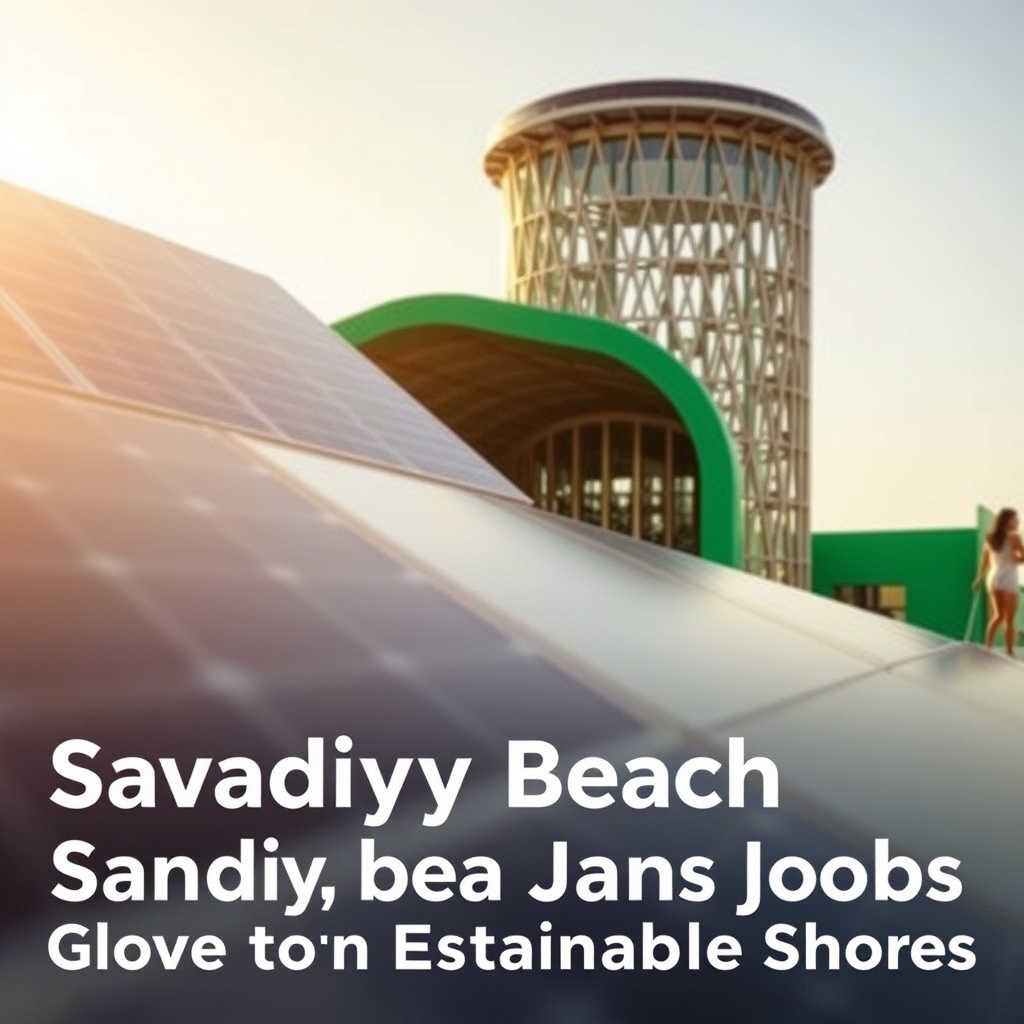
Saadiyat Beach’s recent inclusion in a prestigious global ranking underscores how the UAE is turning its natural assets into high‑value, sustainable tourism products. The accolade arrives as the emirate pushes a broader agenda to diversify its economy away from oil, positioning eco‑friendly destinations as a pillar of future growth.
The beach, part of the Saadiyat Island cultural district, has long benefited from strict environmental guidelines. Sand dunes, native mangroves and marine habitats are protected through a combination of government oversight and private‑sector investment. This approach not only preserves biodiversity but also creates a premium experience for visitors seeking pristine, low‑impact leisure.
Sustainable Practices Driving the Ranking
The assessment that placed Saadiyat Beach among the world’s best highlighted several concrete measures:
- Integrated coastal management , Authorities monitor water quality, erosion and marine life on a continuous basis, using real‑time sensors linked to the Dubai‑Abu Dhabi Water Authority network.
- Renewable energy integration , Beach facilities, including the nearby luxury resorts, draw power from on‑site solar arrays that supply up to 40 % of their electricity needs.
- Zero‑single‑use‑plastic policy , Restaurants and kiosks operate with biodegradable packaging, while beach‑clean‑up crews conduct weekly sweeps, removing an estimated 1.2 tonnes of litter each month.
- Community‑led conservation , Local schools and NGOs partner in educational programmes that teach visitors about the importance of sea‑turtle nesting sites and coral reef health.
These initiatives align with the UAE Vision 2030 sustainability targets, which call for a 30 % reduction in per‑capita carbon emissions and a 25 % increase in protected marine areas by 2030. By embedding these goals into a high‑visibility tourism product, Saadiyat Island demonstrates how environmental stewardship can be a market differentiator.
Economic Ripple Effects
The beach’s new status is expected to generate measurable economic benefits. A recent study by the Abu Dhabi Department of Tourism projected a 12 % rise in international visitor arrivals to the island over the next two years, driven largely by eco‑tourists who prioritize destinations with strong environmental credentials. This influx could translate into an additional AED 150 million in tourism revenue, supporting jobs in hospitality, transport and ancillary services.
Moreover, the recognition bolsters the UAE’s reputation as a hub for sustainable development projects. International investors have shown heightened interest in green infrastructure, with the Abu Dhabi Sustainable Investment Fund reporting a USD 200 million commitment to coastal resilience and renewable‑energy installations across the emirate. Saadiyat Beach serves as a showcase for these investments, offering a tangible proof point that sustainability can coexist with luxury.
The ripple effect extends to the wider GCC region. Neighboring markets such as Saudi Arabia and Oman are watching the UAE’s model closely, considering similar coastal‑tourism strategies that could diversify their own economies. The beach’s success may therefore act as a catalyst for a regional shift toward greener tourism offerings.
Challenges and Future Outlook
While the accolades are encouraging, maintaining the beach’s standards will require ongoing vigilance. Climate change poses a persistent threat to coastal ecosystems, with rising sea levels and increased temperature stressing coral reefs and mangrove forests. To mitigate these risks, the emirate plans to expand its coastal‑defence infrastructure, incorporating nature‑based solutions such as living shorelines and oyster reefs that absorb wave energy while enhancing biodiversity.
In addition, the surge in visitor numbers could strain existing facilities if growth outpaces capacity. Authorities have outlined a phased expansion plan that includes additional eco‑lodges, upgraded public transport links and enhanced waste‑management systems, all designed to keep the environmental footprint low.
Looking ahead, Saadiyat Beach’s achievement signals a broader trend: sustainability is becoming a core component of the UAE’s brand in the global tourism market. Stakeholders, from government ministries to private developers, are likely to double down on green initiatives, leveraging the beach’s success to attract further investment and high‑value visitors.
What to watch: the rollout of the island’s next‑generation solar grid, the introduction of a carbon‑offset programme for resort guests, and the performance of visitor‑arrival figures in the first quarter of 2027. Together, these indicators will reveal whether Saadiyat Beach can sustain its elite status while driving the UAE’s eco‑tourism ambitions forward.