
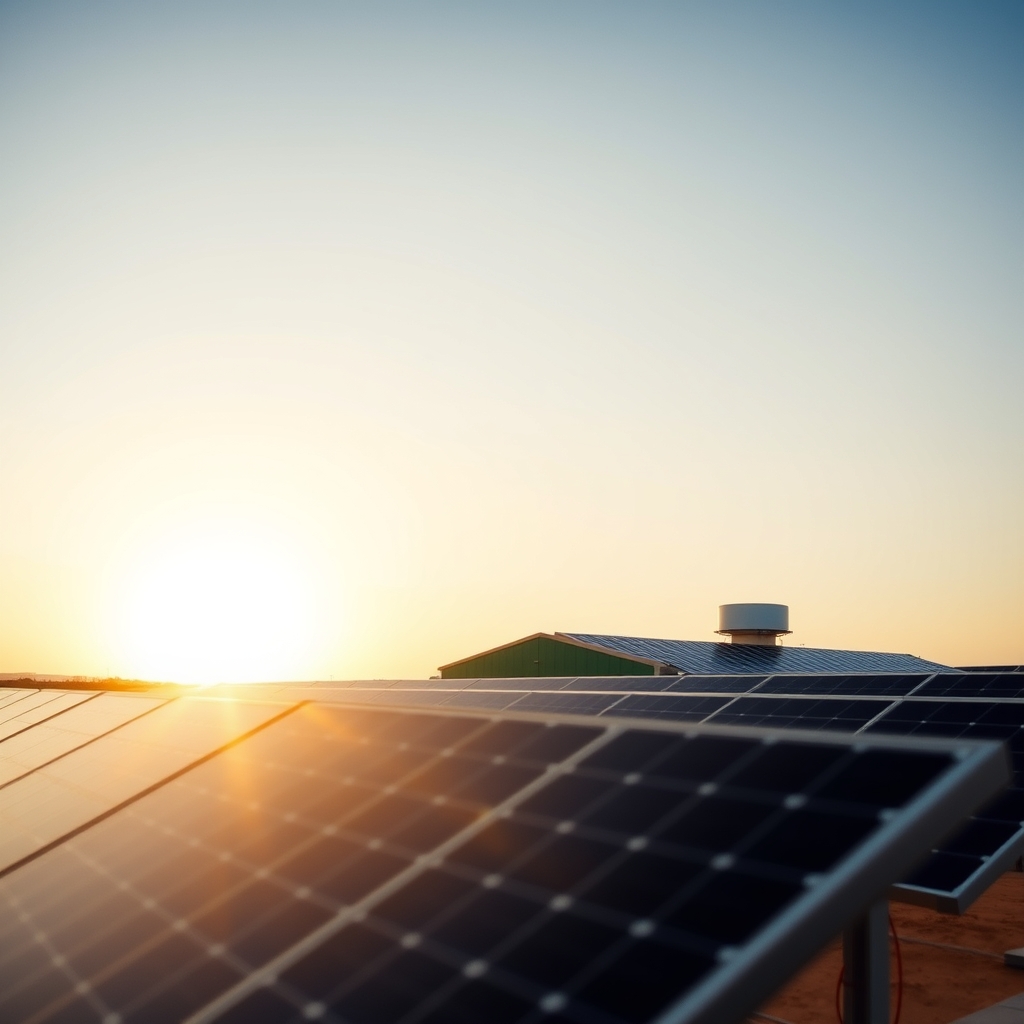
Masdar’s latest partnership with Sungrow underlines the rapid scaling of grid‑level storage in the United Arab Emirates. The agreement calls for the delivery of a 7.5 GWh battery‑energy‑storage system (BESS) that will be integrated into the Renewable‑Technology‑Complex (RTC) in Abu Dhabi. By adding such a sizable buffer, the UAE aims to smooth the intermittency of solar and wind generation, strengthen grid resilience, and move closer to its 2050 net‑zero ambition.
The contract, announced on 25 May 2026, is one of the largest single‑site storage orders in the Gulf region. Sungrow, a leading Chinese inverter and storage provider, will supply lithium‑ion modules, power conversion equipment and a full‑service operations platform. Masdar will oversee project execution, local procurement and the alignment of the system with the Emirates’ regulatory framework.
Strategic Fit Within the UAE Energy Roadmap
The UAE’s Energy Strategy 2050 targets 50 % clean‑energy generation by mid‑century, with a parallel goal of reducing carbon intensity of power output by 70 %. Achieving these numbers requires not only expanding renewable capacity but also ensuring that the electricity network can absorb and dispatch power when the sun sets or the wind drops. Large‑scale BESS installations are therefore a cornerstone of the national plan.
Abu Dhabi’s RTC, a hub for research, testing and commercial deployment of renewable technologies, is positioned to become a showcase for integrated storage solutions. The 7.5 GWh system will be split across multiple battery farms, each equipped with advanced energy‑management software that can respond in milliseconds to grid signals. This flexibility will enable the RTC to provide ancillary services such as frequency regulation, peak‑shaving and emergency backup, all of which contribute to a more stable and efficient power market.
Economic and Market Implications
From a market perspective, the deal signals growing confidence among international equipment manufacturers in the UAE’s regulatory environment. Sungrow’s entry into the Abu Dhabi market is likely to stimulate competition, potentially driving down costs for future storage projects across the GCC. Moreover, the contract is expected to generate a cascade of local economic activity:
- Local content: Approximately 30 % of the system’s components will be sourced from UAE suppliers, creating opportunities for domestic manufacturers of battery casings, cooling systems and power electronics.
- Job creation: The project will employ around 200 skilled workers during construction and an estimated 50 permanent staff for operations and maintenance.
- Technology transfer: Sungrow will run a knowledge‑exchange program with Masdar’s research teams, accelerating the development of home‑grown expertise in battery management and predictive analytics.
These factors align with the UAE’s broader strategy to diversify its economy away from hydrocarbons and to position the Emirates as a regional hub for clean‑tech innovation.
Sustainability Outcomes
The environmental payoff of the 7.5 GWh BESS is substantial. Modelling by Masdar suggests that the storage capacity could offset up to 1.2 GW of renewable curtailment annually, translating into roughly 1.5 million tonnes of CO₂ emissions avoided each year. By capturing excess solar generation during peak daylight hours and releasing it during evening demand spikes, the system also reduces reliance on natural‑gas peaker plants, further cutting the carbon intensity of the grid.
In addition, the project incorporates a circular‑economy approach. End‑of‑life battery packs will be collected for recycling under a partnership with a regional e‑waste firm, ensuring that valuable materials such as lithium, cobalt and nickel re‑enter the supply chain.
Looking Ahead
The Masdar‑Sungrow collaboration sets a benchmark for future storage contracts in the region. As the UAE continues to roll out renewable capacity, particularly large solar farms in the desert, the need for flexible, high‑capacity storage will only intensify. Stakeholders will be watching closely how the RTC’s BESS performs in real‑world conditions, especially regarding response times, degradation rates and integration with emerging technologies like green hydrogen.
Key indicators to monitor include the system’s round‑trip efficiency, its contribution to peak‑load shaving, and the speed at which local suppliers can scale up production of ancillary components. Successful outcomes could encourage other Gulf states to pursue similar large‑scale storage deals, fostering a regional market that supports the global transition to clean energy.
In short, the 7.5 GWh agreement not only bolsters Abu Dhabi’s renewable infrastructure but also reinforces the UAE’s reputation as a forward‑looking market for advanced energy solutions. The next few years will reveal how this storage backbone reshapes power economics, drives local industry growth, and accelerates the Emirates’ journey toward a low‑carbon future.