
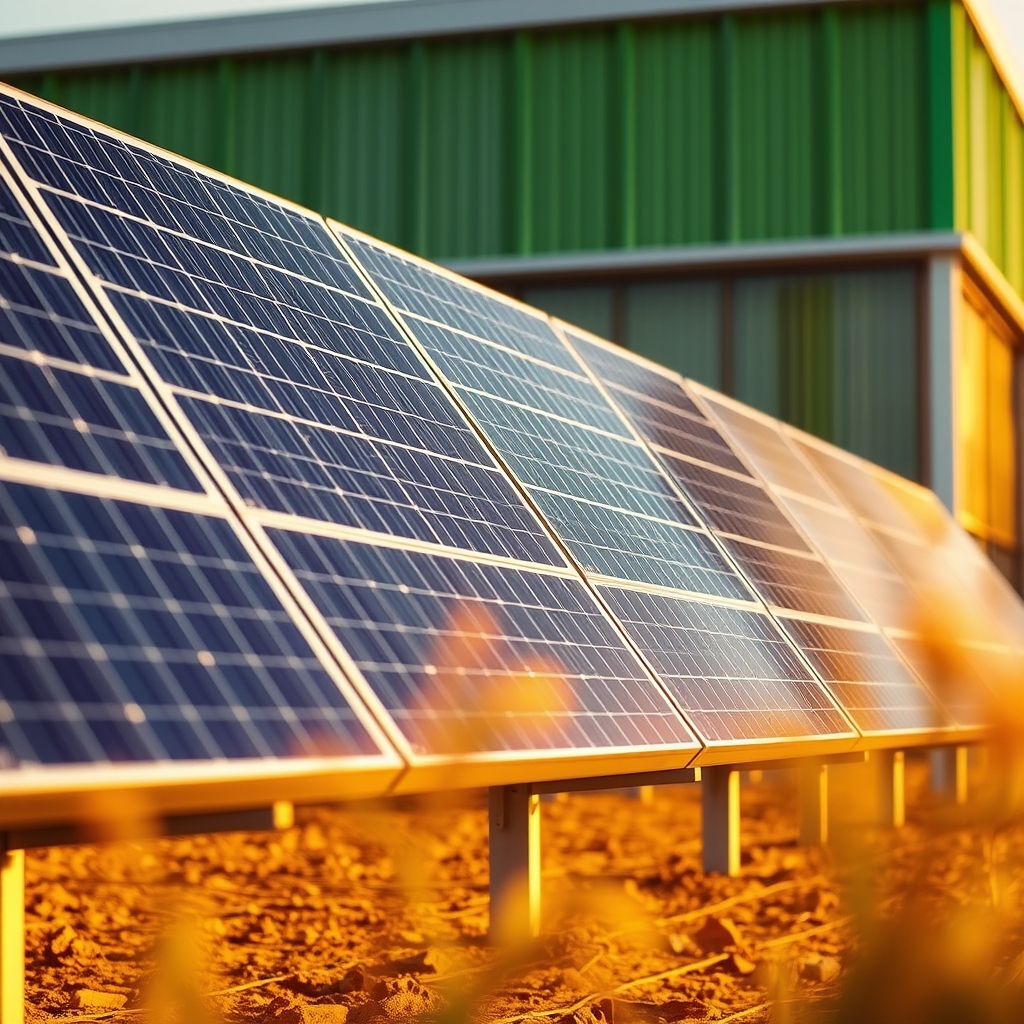
Masdar’s decision to work with Sungrow marks a significant step for the United Arab Emirates’ renewable‑energy ambitions. The partnership will see the German‑based clean‑tech developer integrate Sungrow’s advanced inverter solutions into the Renewable Technology Centre (RTC) project, a flagship initiative aimed at accelerating the deployment of solar and wind assets across the country. By tapping into Sungrow’s proven track record in utility‑scale installations, Masdar hopes to enhance the efficiency and reliability of the centre’s power generation, while also reinforcing the UAE’s reputation as a hub for sustainable innovation.
Strengthening the UAE’s Clean‑Energy Infrastructure
The RTC, located in Abu Dhabi’s industrial zone, is designed to host a mix of photovoltaic (PV) and on‑shore wind installations that together will deliver up to 1.5 gigawatts of clean power. The project’s scale aligns with the UAE’s target to generate 50 percent of its electricity from renewable sources by 2030.
Key benefits expected from the Masdar‑Sungrow collaboration include:
- Higher conversion efficiency , Sungrow’s latest string‑inverter models claim conversion rates above 98 percent, reducing energy losses during generation.
- Smart grid compatibility , Integrated digital monitoring tools will allow real‑time performance analytics, supporting the UAE’s move toward a more responsive grid.
- Reduced O&M costs , Modular design and remote diagnostics are projected to lower operation and maintenance expenses by up to 15 percent over the system’s lifespan.
These technical advantages dovetail with Masdar’s broader strategy to diversify its portfolio beyond large‑scale solar farms. The RTC will serve as a test‑bed for emerging technologies such as hybrid storage, AI‑driven forecasting, and micro‑grid solutions, all of which are critical for balancing intermittent renewable output.
Economic and Market Implications
Beyond the environmental upside, the partnership carries notable economic implications for the Gulf region. The contract, valued at approximately AED 1.2 billion, will generate a cascade of local procurement opportunities, ranging from civil works to electrical components.
- Job creation , The construction phase is expected to employ over 800 workers, with a long‑term operational team of around 150 specialists.
- Technology transfer , Training programmes led by Sungrow engineers will upskill Emirati technicians, fostering a domestic talent pool capable of managing sophisticated renewable assets.
- Foreign direct investment , The deal underscores the UAE’s ability to attract high‑value foreign technology partners, reinforcing confidence among global investors eyeing the region’s clean‑energy pipeline.
Analysts note that the influx of advanced inverter technology could stimulate competition among local equipment manufacturers, potentially driving down costs for future projects. Moreover, the successful execution of the RTC may encourage other Gulf states to adopt similar collaborative models, accelerating the overall decarbonisation trajectory of the Middle East.
Alignment With National Sustainability Goals
The RTC initiative sits squarely within the UAE’s Vision 2021 and the longer‑term Net‑Zero by 2050 roadmap. By delivering a reliable source of renewable electricity, the project will help curb the nation’s reliance on natural‑gas‑fired generation, thereby reducing carbon emissions by an estimated 2.3 million tonnes per year once fully operational.
Masdar’s leadership has repeatedly highlighted the importance of integrating digital solutions into the energy sector. The partnership with Sungrow adds a layer of data‑centric management that aligns with the country’s push toward a smart‑city ecosystem. Real‑time monitoring, predictive maintenance, and AI‑enabled dispatch are expected to improve overall system resilience, a critical factor as the UAE expands its renewable footprint.
What to Watch
The next six months will be crucial for gauging the partnership’s impact. Stakeholders will monitor the installation timeline, performance benchmarks, and the rollout of training modules for local staff. Successful commissioning could pave the way for additional phases, potentially scaling the RTC’s capacity beyond the initial 1.5 GW.
Investors and industry observers should also keep an eye on policy developments, particularly any incentives announced by the Ministry of Energy that could further accelerate renewable uptake. If the Masdar‑Sungrow model proves cost‑effective and replicable, it may become a template for future collaborations across the GCC, reinforcing the region’s transition to a low‑carbon economy.