
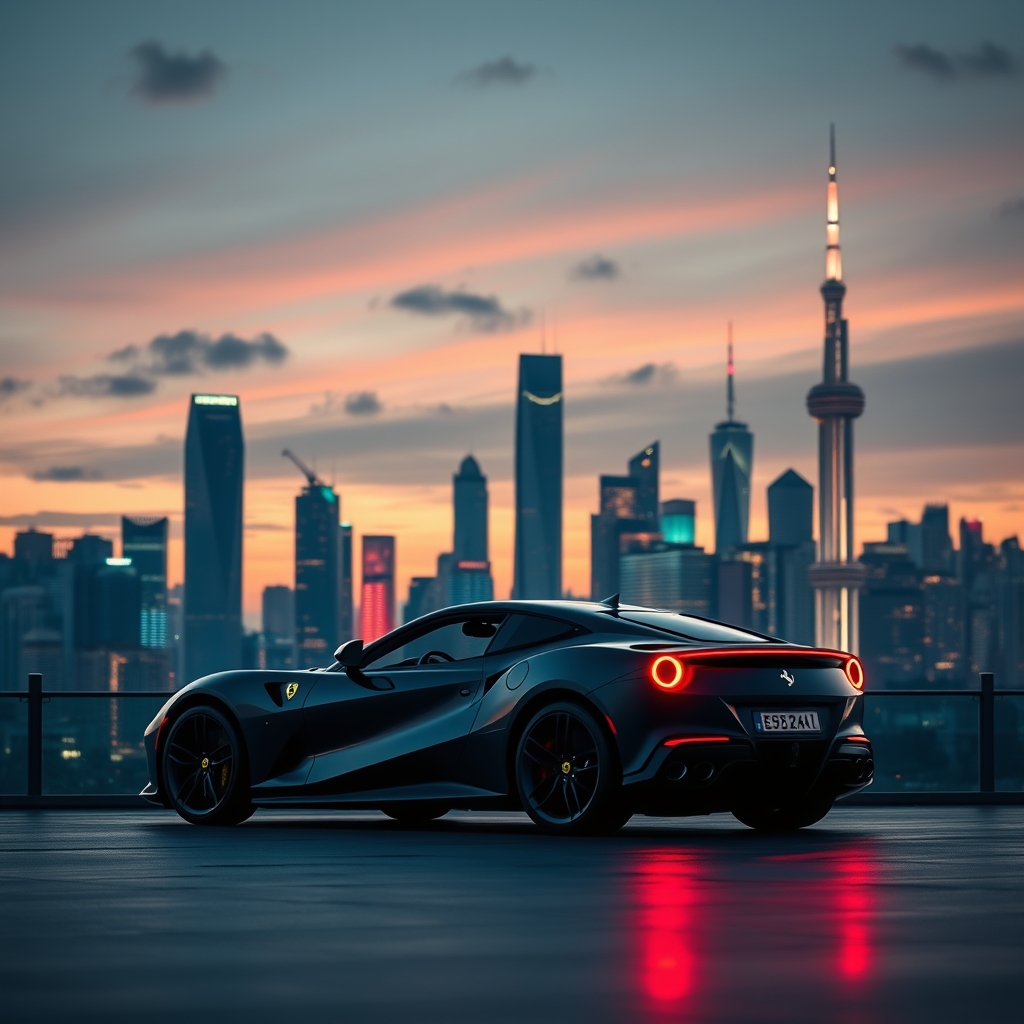
Ferrari has taken a decisive step into the electric‑vehicle arena with the launch of Luce, a five‑seat, high‑performance sedan designed to blend the brand’s racing heritage with zero‑emission technology. While the Italian marque has long been synonymous with two‑seat supercars, the Luce represents a generational shift aimed at expanding its customer base and meeting tightening emissions regulations worldwide.
Expanding the Product Portfolio
Historically, Ferrari’s lineup has revolved around limited‑run, ultra‑exclusive models that command premium prices. The Luce breaks that mold by offering four rear seats without compromising the brand’s signature performance DNA. Powered by a dual‑motor setup delivering more than 800 horsepower, the sedan promises 0‑100 km/h acceleration in under three seconds, figures that rival many existing hypercars.
The vehicle’s battery pack, positioned low in the chassis, contributes to a near‑perfect weight distribution, enhancing handling dynamics that Ferrari enthusiasts expect. Moreover, the company has introduced a fast‑charging capability that can replenish 80 % of capacity in roughly 20 minutes, addressing one of the main barriers to EV adoption among luxury buyers.
By entering the five‑seat segment, Ferrari aims to capture affluent professionals who desire a daily driver that reflects their status while still delivering track‑ready performance. This strategic diversification could boost annual unit sales beyond the current 10,000‑plus figures, which have been constrained by the limited appeal of two‑seat models.
Market Implications and Competitive Landscape
Ferrari’s entry into the luxury EV market arrives at a time when established premium manufacturers such as Porsche, Mercedes‑Benz, and BMW have already secured footholds with models like the Taycan, EQS, and iX. However, few have managed to marry outright racing pedigree with a fully electric platform in the five‑seat category. The Luce’s launch may force competitors to accelerate their own performance‑oriented EV programs, intensifying what industry analysts are calling an “electric supercar race.”
From an investment perspective, the move could attract new capital to Ferrari’s parent company, Exor, as investors seek exposure to high‑margin, technology‑driven growth. Analysts at major banks have upgraded their price targets, citing the Luce as a catalyst for higher average selling prices and improved profit margins, given the premium pricing power associated with limited‑edition electric models.
Supply‑chain considerations also come into play. Ferrari has announced partnerships with several European battery manufacturers to secure a stable supply of high‑energy‑density cells. These collaborations may stimulate further investment in regional battery production facilities, aligning with broader European goals for sustainable manufacturing and potentially creating downstream opportunities for UAE‑based investors looking to diversify into green tech assets.
Sustainability and Brand Positioning
Beyond pure performance, the Luce underscores Ferrari’s commitment to sustainability without diluting its brand equity. The company plans to offset the carbon footprint of its manufacturing processes through renewable‑energy projects in Italy and the United Arab Emirates, where a joint venture with a local clean‑energy firm will develop solar farms dedicated to powering the plant’s operations.
This approach resonates with a growing cohort of high‑net‑worth individuals who prioritize environmental stewardship alongside luxury consumption. By integrating carbon‑neutral initiatives into the vehicle’s lifecycle, Ferrari positions itself as a forward‑thinking brand that can appeal to both traditional enthusiasts and eco‑conscious buyers.
What to Watch Next
The Luce is slated for delivery in early 2027, with pre‑orders already exceeding initial forecasts. Key indicators to monitor include:
- Production ramp‑up: Whether Ferrari can scale manufacturing without compromising the handcrafted quality that defines its brand.
- Battery technology advances: Improvements in energy density or charging speed could further differentiate the Luce from rivals.
- Regulatory shifts: Emerging emissions standards in Europe, North America, and the Middle East may accelerate demand for premium EVs.
- Investor sentiment: Market reaction to Ferrari’s broader electrification roadmap, especially as the company outlines additional EV models beyond the Luce.
If Ferrari can successfully blend its storied performance legacy with cutting‑edge electric technology, the Luce could become a benchmark for luxury automakers navigating the transition to zero‑emission mobility. The next few years will reveal whether this bold gamble reshapes the high‑end automotive market or remains a niche experiment within an increasingly electrified landscape.