
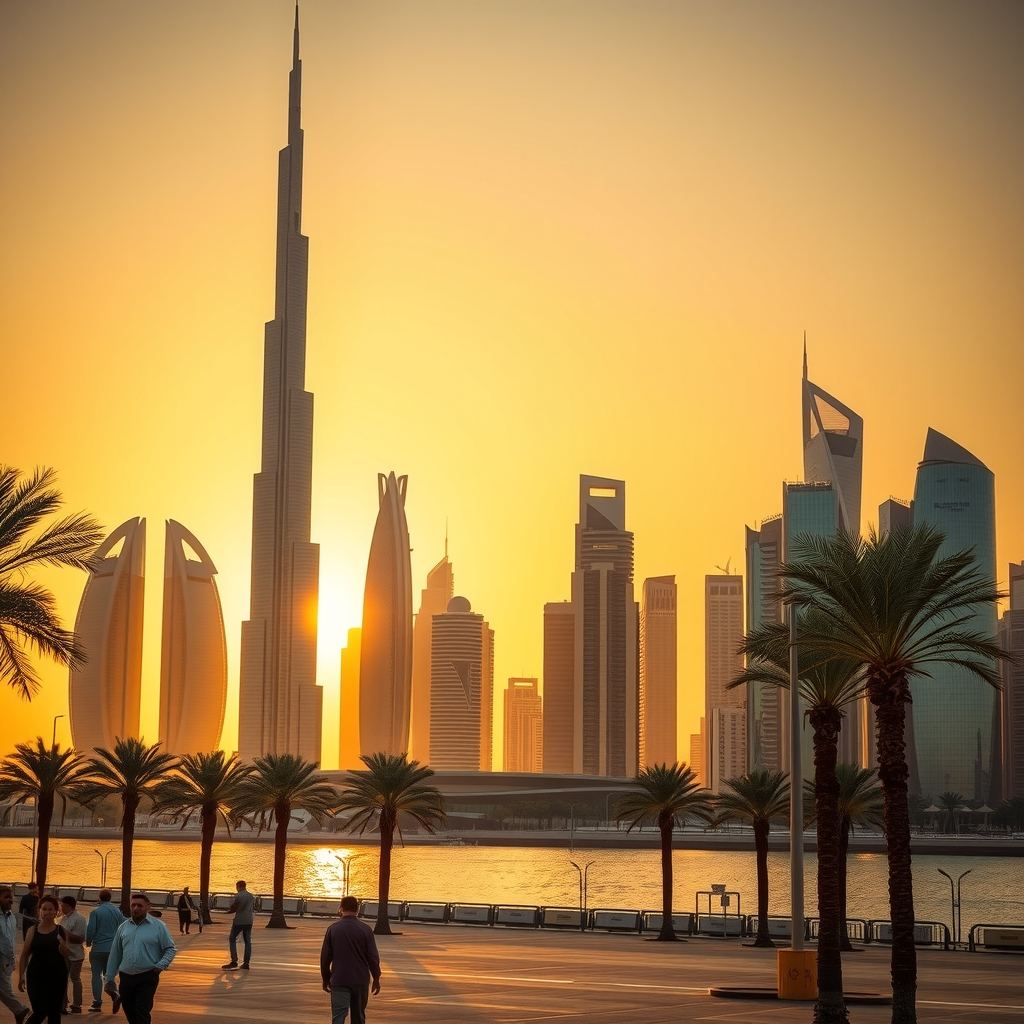
Dubai is positioning itself as a hub where inclusive experiences and business confidence go hand‑in‑hand. A newly announced visitor programme lets tourists step into the daily routine of people of determination, while a leading consultancy firm opens a fresh branch in Dubai Marina and Sharjah’s authorities swiftly dismiss a fuel‑smell alarm. Together, these moves illustrate the emirates’ focus on diversified tourism, foreign investment and transparent public communication.
Inclusive Tourism Takes Center Stage
The initiative, detailed by Khaleej Times (UAE) via GNews, invites tourists to spend a day living as a person of determination, using specially adapted accommodations, transport and activity schedules. Participants receive a guidebook that explains accessibility features, cultural etiquette and the support services that enable residents with disabilities to lead independent lives.
By framing the experience as a “day in the life,” Dubai aims to deepen visitor empathy and showcase the emirate’s commitment to universal design. The programme aligns with the UAE’s broader Vision 2031 goals of social inclusion and could attract a niche segment of socially conscious travellers. Hotels and tour operators are already tailoring packages, and the Dubai Tourism Authority expects the offering to boost occupancy during off‑peak months.
Industry observers note that such experiential tourism can command premium pricing, especially when paired with high‑quality service standards. For local businesses, the rollout creates new revenue streams for accessibility consultants, adaptive‑technology providers and specialised transport firms. The move also reinforces Dubai’s reputation as a forward‑looking destination that blends luxury with purpose‑driven experiences.
Business Confidence Evident in New Consultancy Hub
In parallel, ITA Business Consultants announced the opening of a branch in Dubai Marina, as reported by Khaleej Times (UAE) via GNews. The firm, which offers strategic advisory services across finance, real estate and technology, chose the Marina district for its proximity to multinational headquarters and vibrant start‑up ecosystem.
The expansion signals continued confidence in the UAE’s regulatory environment and its appeal to regional and global firms. ITA’s leadership highlighted three core reasons for the move:
- Strategic location , Dubai Marina provides easy access to key clients and transport links.
- Talent pool , The area attracts multilingual professionals with experience in GCC markets.
- Business‑friendly policies , Recent reforms in corporate tax and foreign‑ownership rules have lowered entry barriers for consultancies.
Analysts suggest that the new office could act as a springboard for ITA to support Emirati SMEs seeking to scale across the Gulf. The firm plans to host quarterly workshops on digital transformation, a sector the UAE is actively nurturing through initiatives like the Dubai Future Foundation.
The timing is noteworthy. While global markets grapple with supply‑chain disruptions, the UAE’s steady inflow of foreign advisory firms underscores a belief that the region’s growth trajectory remains robust. For investors, the presence of a reputable consultancy adds a layer of confidence when evaluating large‑scale projects in real estate, renewable energy and fintech.
Sharjah’s Prompt Public Safety Communication
On the same day, Sharjah authorities addressed circulating reports of a “fuel smell” in the emirate. According to Khaleej Times (UAE) via GNews, officials conducted air‑quality tests and concluded there was no threat to public health or safety. The statement emphasized that the smell was likely transient and unrelated to any leak or incident.
The swift clarification reflects Sharjah’s commitment to transparent communication, a practice that has become increasingly important in an era of instant social media alerts. By publicly sharing test results and reassuring residents, the emirate mitigates panic and protects its reputation as a safe place for residents, tourists and businesses alike.
Such proactive messaging also supports the broader UAE narrative of reliability and stability, essential factors for foreign investors evaluating risk. The incident, though minor, demonstrates how local authorities can leverage rapid response mechanisms to maintain confidence in public infrastructure and environmental standards.
### Looking Ahead
The convergence of inclusive tourism, consultancy expansion and decisive public communication paints a picture of an emirate that is both socially progressive and economically aggressive. Stakeholders should watch for the following developments:
- Scaling of inclusive programmes , If visitor uptake meets expectations, other GCC destinations may adopt similar models, creating a regional niche market.
- Further foreign advisory entries , ITA’s move could encourage additional firms to set up regional hubs, especially in sectors aligned with the UAE’s diversification agenda.
- Enhanced safety protocols , Sharjah’s handling of the fuel‑smell reports may prompt other emirates to adopt comparable transparency frameworks, reinforcing the UAE’s overall safety brand.
Together, these trends suggest that the UAE’s strategy of coupling social innovation with business openness is paying dividends, positioning the country as a resilient and attractive hub for both visitors and investors.