
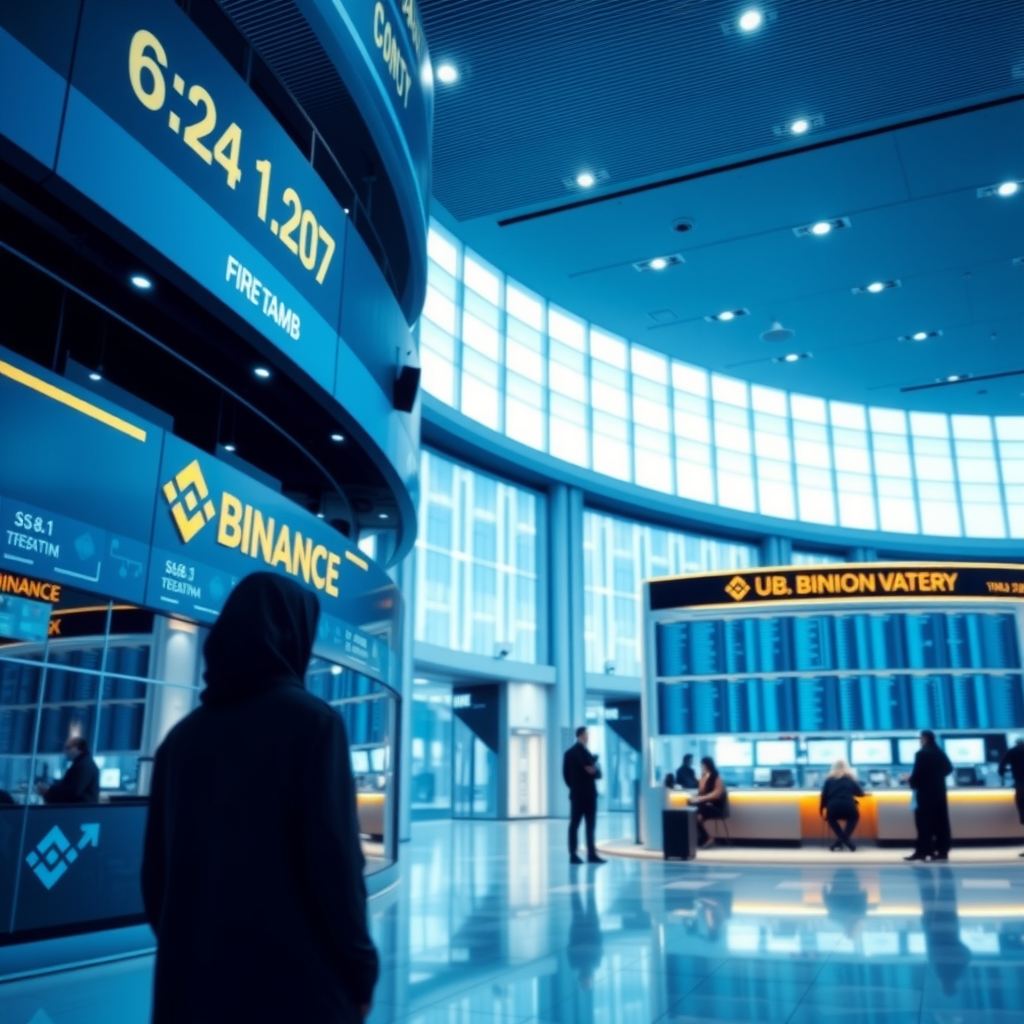
Binance, the world’s largest cryptocurrency exchange by trading volume, announced on Monday that it will compensate roughly ninety percent of the value taken in a recent $6.3 billion hack. The decision arrives as the platform seeks to preserve its reputation and reassure a growing base of users in the United Arab Emirates, where the exchange operates under a licence from the Abu Dhabi Global Market (ADGM). By shouldering most of the loss, Binance hopes to signal that its risk‑management framework can withstand even the most severe security breaches.
Impact on the UAE Crypto Landscape
The UAE has positioned itself as a regional hub for digital‑asset activity, offering a clear regulatory pathway through ADGM and the Dubai International Financial Centre (DIFC). Binance’s reimbursement plan directly touches that ecosystem in three ways.
- Regulatory goodwill , ADGM’s licensing regime requires exchanges to maintain robust custodial safeguards and to demonstrate a clear remediation strategy for client losses. Binance’s swift pledge aligns with those expectations, potentially easing future supervisory reviews and encouraging the regulator to maintain a collaborative stance.
- Investor confidence , Retail and institutional participants in Dubai and Abu Dhabi have watched the hack unfold with concern. Knowing that the exchange intends to restore the majority of their holdings may reduce the risk premium that many UAE investors currently apply to crypto‑related assets.
- Competitive dynamics , Local platforms such as BitOasis and Rain are likely to reference Binance’s move when courting clients who value asset‑recovery guarantees. The precedent could spur a wave of “insurance‑style” product offerings across the GCC, raising the overall standard of service.
The UAE’s Ministry of Economy has recently emphasized the importance of safeguarding digital‑asset markets while fostering innovation. Binance’s action dovetails with that policy direction, offering a real‑world example of how a global operator can meet local expectations without sacrificing global scale.
Ripple Effects Across the Global Crypto Market
Beyond the Gulf, the hack has sent tremors through the broader cryptocurrency sector. The $6.3 billion figure represents one of the largest single‑event losses in the industry’s history, prompting exchanges, custodians, and investors worldwide to reassess security postures.
1. Heightened security spending , Early market data show a modest uptick in capital allocated to cold‑storage solutions and multi‑signature wallets. Firms that previously relied on single‑point‑of‑failure architectures are now accelerating migration to decentralized custody models.
2. Insurance market activation , Crypto‑insurance providers, still in a nascent stage, are fielding new inquiries from exchanges seeking coverage for “black‑hat” attacks. The Binance reimbursement may set a benchmark for what insurers consider a reasonable loss‑sharing ratio.
3. Price volatility , While Bitcoin and Ethereum prices have steadied after an initial dip, smaller altcoins that were heavily traded on Binance experienced sharper corrections. Analysts attribute the bounce‑back to the reassurance that a major market maker is willing to absorb a large portion of the shock.
The incident also underscores the importance of transparent communication during crises. Binance released a detailed timeline of the breach, the steps taken to isolate compromised wallets, and the methodology for calculating the reimbursement pool. Such openness is increasingly viewed as a competitive advantage in a market where trust is a scarce commodity.
Outlook and Key Indicators to Monitor
Looking ahead, several factors will determine whether Binance’s remediation effort translates into lasting market stability.
- Regulatory responses in the UAE , If ADGM incorporates lessons from the hack into its custodial‑risk guidelines, the emirate could emerge as a benchmark jurisdiction for crypto governance, attracting more institutional capital.
- Adoption of insurance products , The speed at which exchanges secure third‑party coverage will indicate whether the industry can collectively mitigate future large‑scale losses.
- User migration patterns , Monitoring the flow of traders between Binance and regional rivals will reveal whether the reimbursement restores confidence or merely provides a temporary stopgap.
Stakeholders should keep an eye on quarterly reports from major exchanges, as well as statements from the UAE’s financial regulators, to gauge the longer‑term impact on the Gulf’s digital‑asset ecosystem. If Binance’s approach proves effective, it could catalyse a new era of risk‑aware innovation, positioning the United Arab Emirates as a leading destination for secure and regulated crypto activity.