
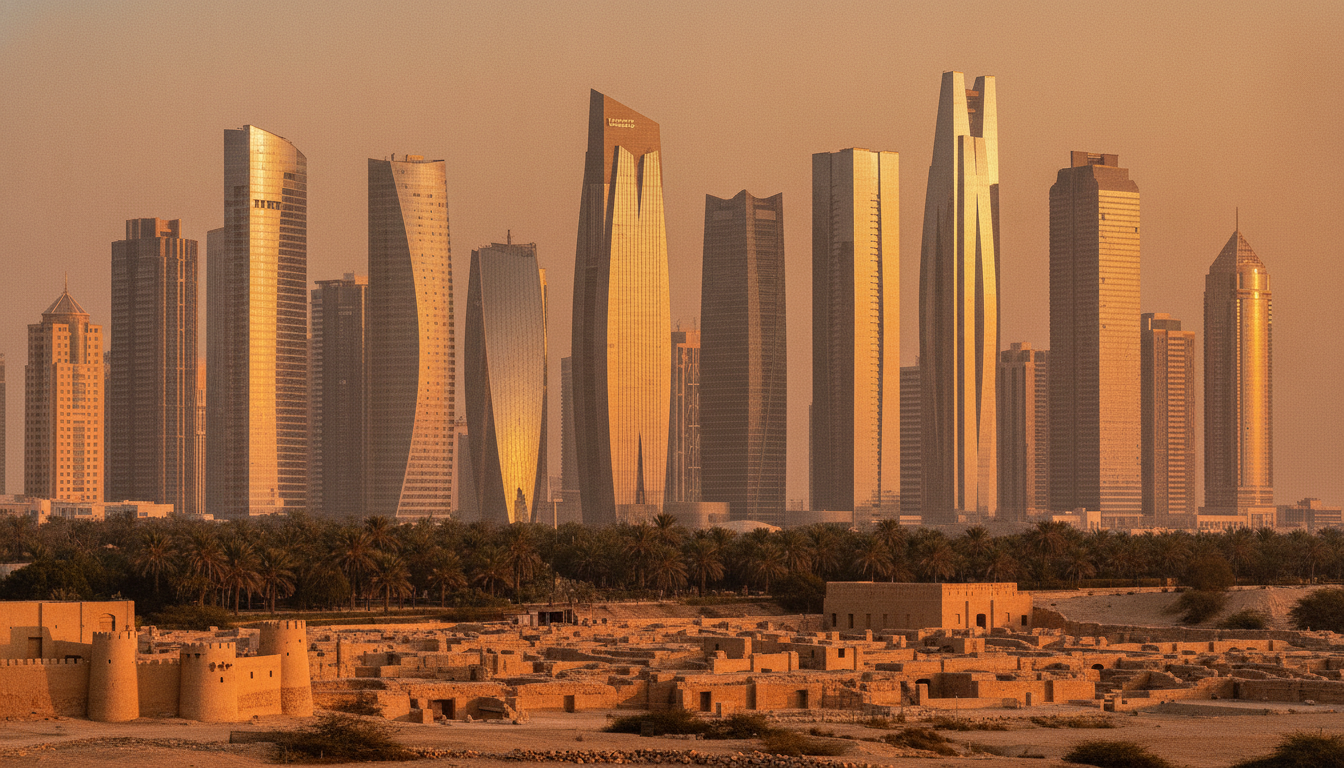
Recent archaeological breakthroughs, such as significant findings in Egypt, are increasingly demonstrating the profound economic and cultural value embedded in ancient sites. These discoveries, far from being mere historical curiosities, are powerful catalysts for tourism, job creation, and the development of a robust heritage economy across the MENA region. The UAE, with its strategic vision for cultural development and tourism, stands to benefit from and contribute to this evolving landscape, leveraging cutting-edge scientific methods to unlock the secrets of the past and inform future strategies.
The ongoing unearthing of ancient remains and artifacts provides invaluable insights into historical societies, offering a deeper understanding of human civilization. For nations like the UAE and its GCC neighbors, which are actively investing in cultural infrastructure and tourism diversification, these regional discoveries serve as compelling examples of how heritage can be transformed into a sustainable economic asset. The meticulous work involved in excavation, preservation, and analysis not only enriches our collective knowledge but also creates a tangible draw for international visitors and researchers alike.
The Economic Engine of Heritage Tourism
Archaeological sites are significant drivers of tourism, attracting millions of international visitors annually and generating substantial revenue for national economies. These sites boost local economies through direct spending on hospitality, retail, transportation, and related services, creating a ripple effect that supports diverse industries. The UAE has strategically invested in cultural tourism, exemplified by world-class projects like the Louvre Abu Dhabi, Qasr Al Hosn in Abu Dhabi, and the numerous historical districts and museums across Dubai and other emirates. These initiatives are designed to showcase the nation's rich heritage and position it as a premier cultural destination.
Discoveries in neighboring countries like Egypt enhance the appeal of the wider MENA region as a comprehensive cultural destination. This creates a synergistic effect, encouraging tourists to explore multiple historical and cultural sites across the Gulf and beyond. Such regional interest fosters job creation in conservation, museum management, tour operations, and the creative industries, contributing to economic diversification strategies that are central to the UAE's long-term vision. The preservation and presentation of these sites also cultivate a sense of national pride and cultural identity, reinforcing the social fabric alongside economic gains.
Technology's Role in Unearthing History
Modern archaeology relies heavily on advanced technology, transforming the pace and depth of historical discovery. Techniques such as DNA sequencing allow researchers to understand ancient populations, their diets, health, and migratory patterns with unprecedented detail. Forensic imaging, including CT scans and X-rays, enables non-invasive analysis of remains and artifacts, revealing hidden details without causing damage. Ground-penetrating radar (GPR) and drone-based aerial surveys are crucial for mapping sites and identifying buried structures before excavation, making the process more efficient and targeted.
Furthermore, AI and machine learning are increasingly being deployed for data analysis, pattern recognition in historical texts and inscriptions, and even reconstructing ancient environments and settlements. These technologies accelerate discoveries, provide richer insights, and ensure ethical, non-destructive research practices. The UAE's commitment to scientific research and innovation, evident in its national AI strategies and substantial R&D investments, positions it to be a leader in applying such cutting-edge technologies to its own heritage initiatives. By embracing these advancements, the region can unlock more secrets from its past and present them in engaging, educational ways.
Regional Vision for Cultural Preservation
The GCC nations, including the UAE, are increasingly prioritizing cultural heritage as a cornerstone of national identity and a vital component of economic diversification. Significant investments are being made in preserving historical sites, establishing world-class museums, and digitizing archives to make historical information accessible to a global audience. Initiatives like Saudi Arabia's ambitious AlUla project, which aims to transform a vast archaeological landscape into a global cultural destination, or Qatar's extensive network of museums, demonstrate a strong regional commitment to heritage.
These efforts are not merely about preserving the past; they are strategic investments in creating future economic opportunities, fostering cultural exchange, and educating future generations about their roots. By integrating cultural heritage into national development plans, these nations are building resilient economies that are less reliant on traditional sectors. Collaboration across the region on archaeological projects, heritage management best practices, and cultural tourism initiatives can further amplify these benefits, creating a powerful collective narrative and a robust regional heritage sector.
The synergy between scientific discovery, economic development, and cultural preservation continues to drive significant progress in the MENA region. For the UAE, this means