


Australian cricketer Steve Smith is one of the greatest Test batsmen of all time. An now a $100,000 Seed investment in a brand new, unknown Byron Bay startup a decade ago is set to make him the Don Bradman of investors.
Koala, the direct-to-consumer bed and furniture maker, will list on the ASX at the end of the month. On Tuesday, Koala closes its $68 million IPO prospectus, which includes $20 million in new capital at $3.40 per share, plus existing investors selling around $48.1 million worth of their stock in the float.
Half of the fresh capital, $10.1 million, will be used to retire debt.
Cofounder Mitch Taylor is selling $8.3 million worth of shares, but will still have a 16.3% stake after the float, worth more than $54 million.
His cofounder, Dany Milham, who returned to the business as its $630,000 CEO in 2024, following a 2-year, ill-feted foray into grocery delivery startups with Milkrun, is holding onto his 20.7% stake, escrowed for two years, and worth around $63.6 million, including 1.5 million share as options, performance rights and RSUs.
The largest shareholder is Perennial Partners left with a 22.7% holding after selling down in the float, with Alium Capital, as the other significant shareholder with 5%.
New investors will have a 20.65% slice of the Koala (ASX:KOA) pie, with the business listing with a $305 million market capitalisation of $305 million.
Smith’s slice
It was back in 2015 when Smith, who originally had a hands-on role in Koala’s R&D before becoming the Australian test cricket captain, invested $100,000 in the startup’s Seed round for a 10% stake. Check the bat of Smith’s bat (see below when he hit a century in the BBL) and you’ll see Koala has been on the back of his bat over the last decade.
While Smith’s share of the business has been diluted in subsequent raises, by 2019, his holding was worth more than $10 million. The true value of his remaining stock is likely to be revealed when the company lodges its top 20 shareholders just before is public debut on March 31.
But the likelihood is that this investment will exceed his career income as a world-class cricketer.
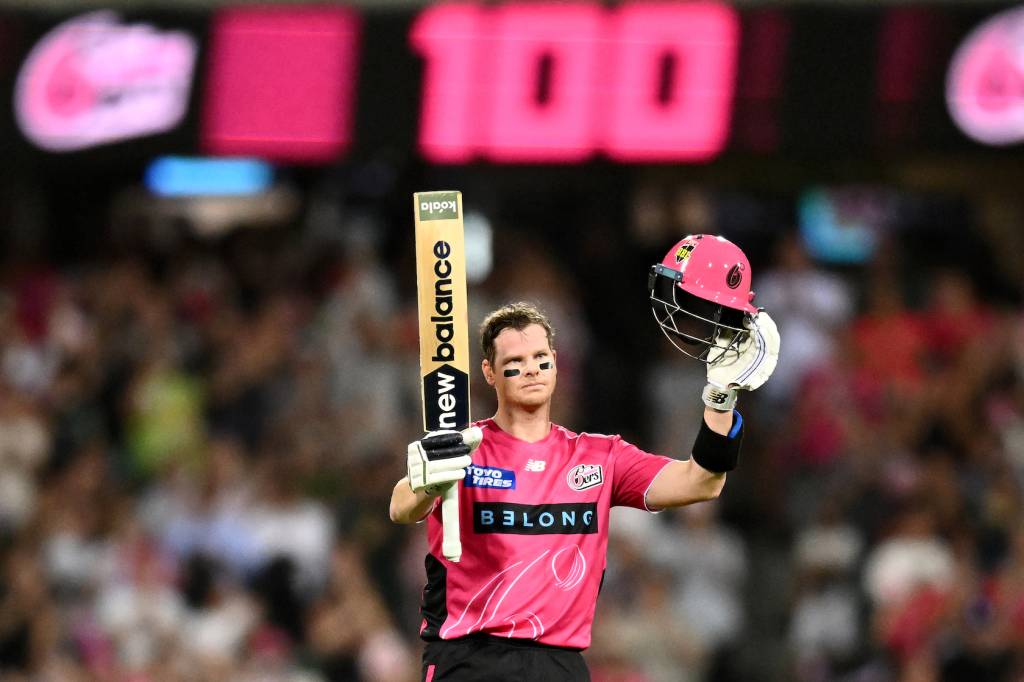
Meanwhile, it’s a case of second time lucky for Milham, who was gearing up for a $100m IPO on the ASX last June before Trump’s erratic trade war got in the way. Koala has a strong US customer base and the prospectus predicts it will grow by 62.4% to $29.3 million in revenue in FY26, nearly a 10% of the company’s total income.
Total revenue is forecast to hit $332m, up 20% on FY2025, with Australian sales representing around half that figure at $166.5m, up 10.5% in 12 months, despite local cost-of-living pressures. Japan and the UK are also key markets for Koala.
The company hit headlines not long after it launched with its promise of “zero-disturbance sleep” and a shrewd social media strategy that included a man jumping on a Koala mattress with a glass of red wine on the other side of the bed. It doesn’t move. He picks it up and drinks it. More than 5 million people watched it on YouTube.
Koala’s social media marketing became so ubiquitous that The Betoota Advocate satirised the brand in 2017 with a story headlined “Man buys Koala mattress just to get their ads out of his f–king newsfeed“.
Koala consistently spends around 20%+ of its total revenue on marketing – the term is used 147 times in the 235-page prospectus – with the cost this financial year matching the IPO raise: $68.9 million, spread across Australia, Japan and the US.

NPAT turnaround
But perhaps the most impressive turnaround Milham has delivered since returning to the helm is the Koala’s EBITDA (earnings before interest, tax and amortisation) and NPAT (net profit after tax), turning the latter from red to black with the listing.
EBITDA rose from $2.8m in FY24 to $11.7m in FY25, thanks to strong revenue growth on a largely fixed cost base.
The FY26 forecast EBITDA is $24.8 million, up 112.2% ($11.7m), with the EBITDA margin anticipated to improve to 7.5%. The business has a gross margin above 60%.
Koala Group’s pro forma cash flow has grown from from $22.1m in FY23 and $8.4m in FY24 to $29.9m in FY25, and an FY26 forecast of $27.7m.
Meanwhile, pro forma NPAT went from a NPAT $300,000 loss in 2024, to a $6.6m profit in FY25 and a forecast to nearly double it at $12.3m in FY26. The statutory NPAT was losses of $1.4m in FY24 and $4.6m in FY25, to a $5.7m profit forecast for this financial year – a $10.3m turnaround.
The 11-year-old online retailer makes mattresses, sofas and sofa beds, and bedroom, kids, and outdoor furniture, plus homewares.
Koala, now headquartered in Sydney, has 200 staff on four continents and has donated nearly $5 million to koala and wildlife conservation.
In his prospectus note to investors, Dany Milham said: “As we enter the next phase of our journey, our priorities are clear: strengthening core categories, expanding into international markets, deepening customer relationships, and enhancing operating leverage through scale and innovation. We will pursue growth with discipline and focus on delivering sustainable long‑term returns”.
Koala’s “standing up for lying down” story.
Koala is now based in Sydney and has more than 80 employees.
- Iconic Australian brand founded in 2015 with operations in Australia, Japan, the US, and now the UK
- Profitable, high-growth business with 20% YoY revenue growth and 7.5% EBITDA margin forecast into FY26F
- High margin, focused and innovative product range with 64% gross margin in FY26F
