
Close Menu
Emirates InsightEmirates Insight
  • The GCC
    • Duabi
  • Business & Economy
  • Startups & Leadership
  • Blockchain & Crypto
  • Eco-Impact

Subscribe to Updates

Get the latest creative news from FooBar about art, design and business.

What's Hot

Factbox-How independence came to be standard for global central banks

January 15, 2026

Ahmed Bin Saeed And Mattar Al Tayer Witness Signing Of 10-Year Agreement Between Dubai Airports And Salik To Enable Seamless E-Wallet Parking Payments At DXB – Dubai Blog

January 15, 2026

Pakistan Partners With World Liberty Financial to Pilot USD1 Stablecoin for Cross-Border Payments

January 15, 2026
Facebook X (Twitter) Instagram LinkedIn
  • Home
  • Get Featured
  • Guest Writer Policy
  • Privacy Policy
  • Terms of Use
  • Contact Us
Facebook X (Twitter) Instagram LinkedIn
Emirates InsightEmirates Insight
  • The GCC
    • Duabi
  • Business & Economy
  • Startups & Leadership
  • Blockchain & Crypto
  • Eco-Impact
Emirates InsightEmirates Insight
Home»Business & Economy»Factbox-How independence came to be standard for global central banks
Business & Economy

Factbox-How independence came to be standard for global central banks

Emirates InsightBy Emirates InsightJanuary 15, 2026No Comments
Facebook Twitter Pinterest LinkedIn WhatsApp Reddit Tumblr Email
Factbox-How independence came to be standard for global central banks
Share
Facebook Twitter LinkedIn Pinterest Email

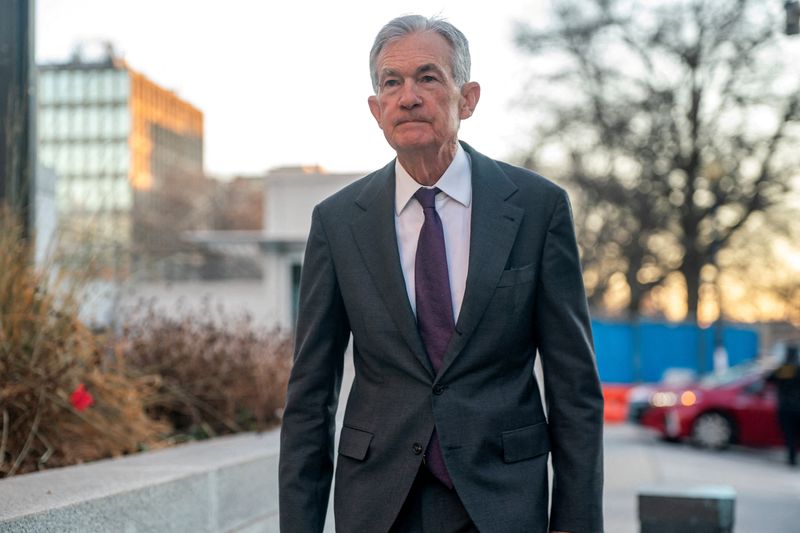
LONDON, Jan 13 (Reuters) – The Trump administration’s decision to open a criminal investigation into the head of the Federal Reserve has intensified fears about the independence of the U.S. central bank, the top policymaking body for the world’s biggest economy.

President Donald Trump has criticised ​the Fed and its chair, Jerome Powell, for not lowering interest rates fast enough.

Top officials from other central banks rallied around Powell on Tuesday, ‌saying in a statement that “the independence of central banks is a cornerstone of price, financial and economic stability in the interest of the citizens that we serve”.

Following is a summary of how ‌independence became key to the way central banks around the world run their economies.

FED LED THE WAY

The Federal Reserve was granted operational independence in 1951, after rising inflation exposed the limits of a monetary policy designed to depress borrowing costs during World War Two.

While the Fed was a pioneer in many respects, it was not until 25 years later that it fully shook off political interference in the setting of interest rates.

Pressure exerted by former president Richard Nixon to keep borrowing costs low ahead of ⁠his 1972 re-election campaign is widely seen as a ‌contributing factor, along with a leap in oil prices, to the surge in inflation later in the decade.

HIGH INFLATION – NEW SYSTEM

After suffering the damage wrought by high inflation in the 1970s and early 1980s, governments around the world looked at new ways ‍to run their economies.

Many of them removed power over interest rate decisions from politicians and put it in the hands of officials who were tasked with keeping inflation low.

By the end of the 20th century, 80-90% of the world’s central banks had operational independence, according to the Bank of England.

INDEPENDENCE – DOES IT WORK?

Some credit for low inflation over much ​of the last 30 years lies with other factors, such as the emergence of China and other exporting nations whose low-cost goods helped keep a lid ‌on prices.

But academics have repeatedly linked the level and volatility of inflation to the degree of central bank independence across a range of countries, entrenching its position as a main tenet of policymaking in recent decades.

In Britain, uncertainty about inflation fell by a factor of around four after the BoE became independent in 1997 compared with the previous 20 years, the former chief economist of the BoE Andy Haldane said in a speech in 2020.

CRISIS CHALLENGES

Broad support for independent central banking came under strain during the global financial crisis of 2007-09, which was linked to lapses by central banks and other regulators charged with monitoring risk in ⁠the banking system.

Central banks cut interest rates to almost zero and added further stimulus in ​the form of trillions of dollars of bond purchases. The chair of the Fed at the ​time, Ben Bernanke, was likened to a traitor by Republican presidential contender Rick Perry, who accused him of printing money to play politics.

More recently, Britain’s central bank was accused by politicians of fuelling inflation with its own quantitative easing programme. That heat was ‍dialled up by a surge in inflation ⁠to 11% as energy prices jumped following Russia’s full-scale invasion of Ukraine in early 2022.

Shortly before becoming UK prime minister later that year, Liz Truss said she would review the BoE’s remit, something she did not have time to do during her brief time in Downing Street. But ⁠the BoE’s standing in the eyes of the public plunged to historic lows, according to surveys by the central bank.

While Britain flirted only briefly with a return to political interference, governments in ‌other countries ranging from Turkey to India have sought to exert influence over their central banks. Japan’s prime minister has also historically advocated ‌loose monetary policy.

(Writing by William Schomberg and Andy Bruce; Editing by Catherine Evans)

Courtesy: link

Share. Facebook Twitter Pinterest LinkedIn Tumblr Telegram Email
Emirates Insight
  • Website

Related Posts

Jim Cramer Says “A Good Number From J.B. Hunt Emboldens Me to Keep Pushing Federal Express”

January 15, 2026

UAE Economy To Grow 5% In 2026; 5.1% In 2027 – UAE Today Blog

January 14, 2026

Trouble ahead for US housing, warns ‘Oracle of Wall Street’ who predicted 2008 crash. Here’s how some can still profit

January 14, 2026
Leave A Reply Cancel Reply

Start Your Business in
Dubai with Tijarist

Company setup, residency support, and expert guidance — all in one place.

GET STARTED
Top Posts

Global Leaders Unite at World Climate Summit, The Investment COP 2023 to Redefine Climate Action

December 11, 20235,009 Views
AI & Innovation 2 Mins ReadSponsor: Doers Summit

Doers Summit 2025 opens in Dubai with strong Global participation

Sponsor: Doers Summit November 26, 2025

Australia Risks Falling Behind in Climate Investment, New Report Warns

August 21, 20253,049 Views

EnergyLab Selects 10 Startups for 2025 Climate Solutions Accelerator

August 26, 20251,791 Views

Subscribe to Updates

Get the latest creative news from SmartMag about art & design.

FEATURE YOUR BRAND ON
EMIRATES INSIGHT
CONTACT US
Emirares Insight

Emirates Insight - Lens on the Gulf provides in-depth analysis of the Gulf's business landscape, entrepreneurship stories, economic trends, and technological advancements, offering keen insights into regional developments and global implications.

We're accepting always open for new ideas and partnerships.

Email Us:[email protected]

Facebook X (Twitter)
Our Picks

Factbox-How independence came to be standard for global central banks

January 15, 2026

Ahmed Bin Saeed And Mattar Al Tayer Witness Signing Of 10-Year Agreement Between Dubai Airports And Salik To Enable Seamless E-Wallet Parking Payments At DXB – Dubai Blog

January 15, 2026

Pakistan Partners With World Liberty Financial to Pilot USD1 Stablecoin for Cross-Border Payments

January 15, 2026
© 2020 - 2026 Emirates Insight. | Designed by Linc Globa Hub inc.
  • Home
  • Get Featured
  • Guest Writer Policy
  • Privacy Policy
  • Terms of Use
  • Contact Us

Type above and press Enter to search. Press Esc to cancel.