

Investing landscapes are shifting across the Middle East and North Africa (MENA). For many residents of the UAE and its expatriate community, traditional financial markets have long meant stocks, bonds and property. These instruments remain central to wealth building, but they also entail entry hurdles like high minimums, slow execution and limited access to global options.
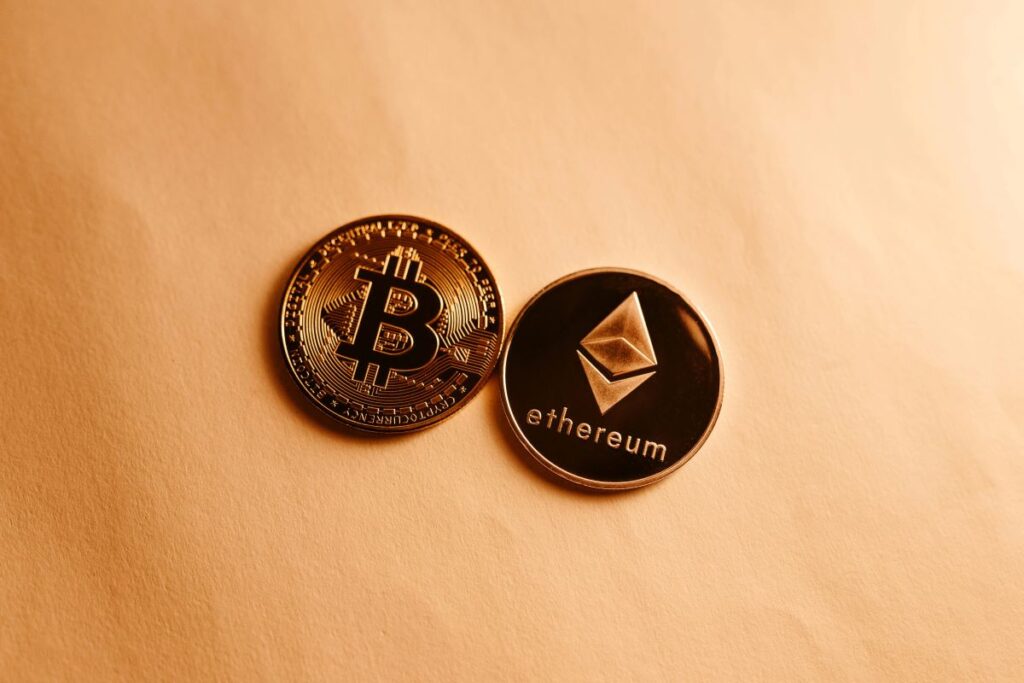
Digital assets, particularly cryptocurrencies, present a contrasting set of features that are reshaping how people engage with financial growth and diversification. Monitoring the price of Bitcoin in the UAE gives a daily snapshot of this evolving dynamic and reflects broader trends in regional crypto participation.
Barriers in traditional investing
Traditional financial instruments offer established regulatory protections and deep market history. Yet in MENA they also exhibit structural constraints:
- Cost of entry: Minimum investments in mutual funds or real estate can be prohibitive for many professionals and younger investors
- Timing and liquidity: Opening accounts, complying with documentation requirements and settling trades can take days. Rapid changes in market conditions may outpace these processes.
- Cross-border access challenges: While regional exchanges provide exposure to local and international equities, not all global instruments are smoothly accessible to UAE residents or expatriates, especially without specialised brokerage relationships
- Compliance complexity: Differing regulations across neighbouring jurisdictions create friction for those who want to invest beyond a single market
These barriers can slow down investor participation and encourage individuals to explore alternatives that are faster to access and more accessible across international markets.
What crypto brings to the table
Cryptocurrencies and digital asset platforms have introduced features that directly address some limits of conventional markets. These include:
- Lower thresholds: Many crypto exchanges allow users to start with small amounts of capital. You don’t need large lump sums to participate
- Faster execution: Crypto trades can settle almost instantly, compared to the multi-day settlement cycles typical in equities markets
- Round-the-clock access: Crypto markets operate 24 hours a day, seven days a week, which can benefit investors who want to react quickly to market developments
- Broader geographical access: Through regulated platforms within the UAE or cross-border services, investors can access a wide range of digital assets from anywhere.
These advantages don’t come without trade-offs. Cryptocurrencies are known for price volatility and require strong personal risk management and due diligence. But for many in MENA, these features expand the universe of investable opportunities.
Regional adoption patterns
Crypto adoption across MENA is far from uniform, but recent data show clear momentum. According to the Chainalysis 2025 Geography of Crypto Report, the UAE’s crypto economy grew by 33% year-over-year, receiving upwards of $56 billion in value between 2024 and 2025. This growth occurred under a framework of robust regulation, rather than market frenzy. In comparison with some markets that have seen speculative and crisis-induced spikes in activity, the UAE reflects a more balanced approach to digital assets.
Across the broader region, countries like Turkey and Israel show very different crypto narratives. Turkey’s crypto volumes are still large but appear to be driven by speculative trading amid economic instability, while Israel’s activity spiked in response to national crises. These varied paths highlight how local conditions shape the role digital assets play in people’s financial lives.
A closer look at the UAE
In the UAE, crypto is not just about speculation. Growth in small retail and merchant-level transactions in areas like payments and service suggests increasing everyday use. In 2025, small retail transactions under $1,000 grew by 88%, and large retail transactions rose by over 80%, highlighting adoption beyond purely institutional participants.
This trend aligns with the broader regulatory environment in the Emirates. Initiatives like the Virtual Assets Regulatory Authority (VARA) and clear AML frameworks aim to provide legal clarity without stifling innovation. This combination has helped position the UAE as a regional crypto hub, attracting both institutional capital and everyday users looking to expand how they allocate savings or conduct transactions.
Diversification and risk
Diversification remains a core investment principle. Within a strategic portfolio, digital assets can serve as one component among many. The volatility that characterises crypto makes it unsuitable as a sole investment for those prioritising capital preservation. However, its low-correlation behaviour relative to traditional equity and bond markets can offer diversification benefits when allocated within risk-tolerant limits.
Realistic diversification includes:
- Defined allocation: Limiting exposure to a set percentage of the overall portfolio value to manage volatility impact.
- Education and due diligence: Understanding the technology, custodial practices and market mechanics before committing capital.
- Long-term perspective: Treating crypto assets as part of a long-term allocation plan rather than short-term speculation.
For professionals in the UAE and elsewhere in MENA, these considerations dovetail with broader financial planning goals.
Addressing misconceptions
There are several misconceptions that can cloud an investor’s judgment. One is that crypto markets are entirely unregulated. While some jurisdictions lack clear frameworks, the UAE’s evolving regulatory landscape reflects efforts to build trust and legal certainty. Regulatory oversight, KYC requirements and licensed service providers contribute to a safer market environment for residents and expatriates alike.
Another misunderstanding is that crypto automatically delivers fast profits. Its price volatility means that strong risk management and realistic expectations are important. Integrating digital assets into a diversified strategy should be about measured participation, not chasing quick gains.
The investment environment in the MENA region is changing. Traditional finance continues to provide foundational growth avenues, but digital assets are expanding what is possible for investors, especially in terms of ease of access, speed and global reach. For UAE residents and expatriates, understanding both traditional and digital markets and how they can complement each other, will be key to making informed investment decisions. As regulatory clarity evolves and adoption patterns mature, the integration of crypto into broader financial strategies appears increasingly practical, not just theoretical.
