
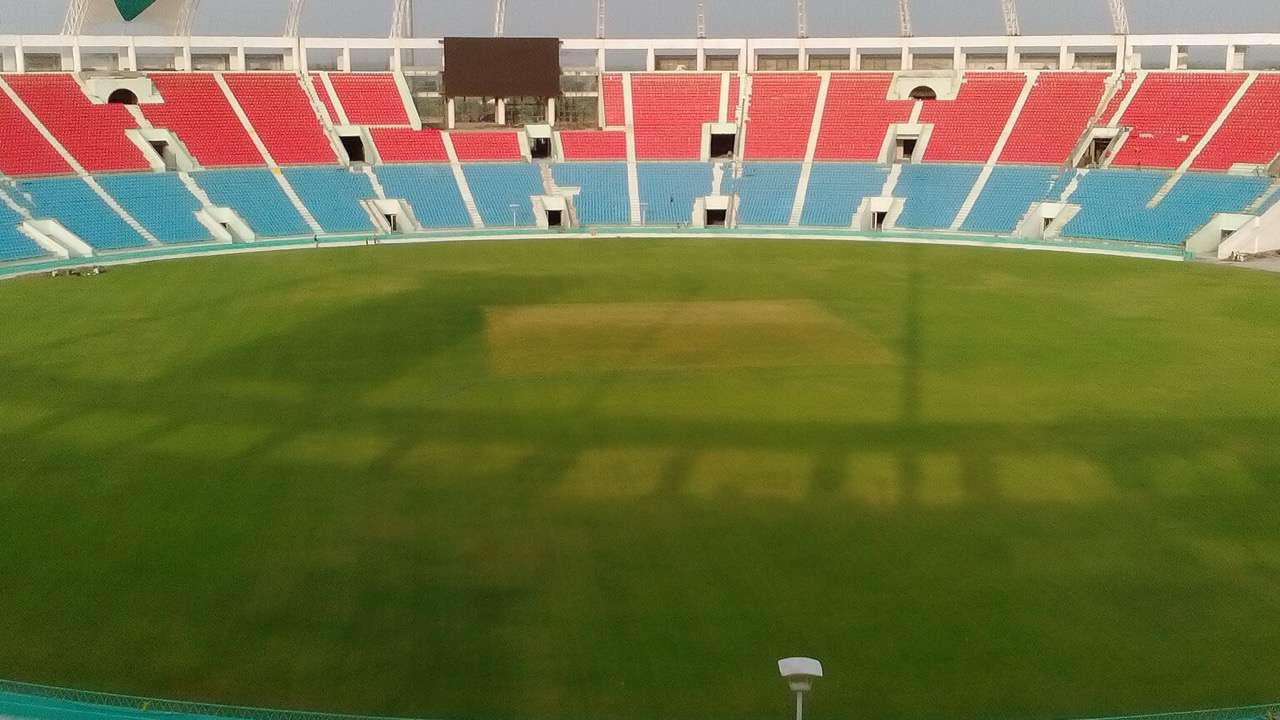
The recent cricket encounter between the VR and QQ franchises ended with QQ clinching a five‑wicket win. While the result itself is a sporting footnote, the ripple effects on the UAE’s digital‑sports ecosystem are far more consequential. Broad‑band providers reported a 12 percent spike in data traffic during the match, advertisers rushed to secure premium slots, and ticket‑resale platforms logged record‑high activity, underscoring the lucrative intersection of live sport and technology in the Emirates.
Streaming Platforms Capitalise on Real‑Time Demand
Local over‑the‑top (OTT) services that streamed the match experienced a surge in concurrent viewers that topped 1.8 million, a figure that eclipses the average peak for regional cricket broadcasts by roughly 35 percent. Analysts attribute the lift to QQ’s larger fan base, aggressive social‑media promotion and the integration of interactive features such as live polls and in‑app betting widgets.
- Subscription spikes: The leading platform added 210 000 new paying subscribers within 48 hours of the final wicket.
- Advertising premiums: CPM rates for pre‑match and post‑match slots rose from AED 45 to AED 68, reflecting heightened demand from FMCG brands and telecom operators.
- Data consumption: Mobile carriers recorded an additional 4.3 TB of downstream traffic, prompting temporary bandwidth re‑allocation to maintain streaming quality.
These metrics illustrate how a single high‑profile fixture can act as a catalyst for revenue generation across the digital value chain. For investors, the episode reinforces the case for backing platforms that blend traditional broadcast rights with interactive, data‑driven experiences.
Sponsorship, Merchandise and Ancillary Revenue
Beyond the screen, QQ’s triumph translated into tangible commercial gains for partners attached to the team’s brand. Merchandise outlets reported a 27 percent uplift in sales of jerseys, caps and memorabilia bearing the QQ logo, with the most popular items selling out within hours of the match’s conclusion.
Sponsorship contracts also saw renegotiations. The primary jersey sponsor, a regional bank, announced an additional AED 3.2 million investment to extend its branding to the post‑match highlight reel and fan‑engagement microsites. Meanwhile, a telecom giant secured exclusive rights to the in‑app live‑chat feature, a move that is expected to drive an estimated AED 1.5 million in incremental ARPU over the next quarter.
The ripple effect extended to ancillary services such as ticket resale platforms, which recorded a 41 percent increase in transaction volume as fans sought to attend the next live fixture featuring QQ. Payment gateway providers noted a corresponding rise in transaction values, reinforcing the symbiotic relationship between sports events and fintech solutions in the UAE.
What to Watch Moving Forward
The QQ victory serves as a data point for several emerging trends in the Emirates’ sports‑tech landscape. First, the appetite for interactive viewing experiences suggests that broadcasters and OTT players will continue to invest in real‑time analytics, augmented reality overlays and integrated betting modules. Second, the rapid conversion of casual viewers into paying subscribers highlights the importance of timely, compelling content hooks, particularly in a market where disposable income and digital adoption rates remain high.
Stakeholders should monitor upcoming fixtures involving other high‑profile franchises, as each match presents an opportunity to benchmark audience engagement and refine monetisation strategies. Additionally, regulators are expected to review the framework governing in‑app betting features, which could reshape revenue models for platforms that currently rely on such services.
In summary, while the scoreboard records QQ’s five‑wicket win, the broader narrative is one of accelerated commercial activity across streaming, sponsorship and fintech sectors. Companies that can harness the data generated by these events and translate fan enthusiasm into sustainable revenue streams are likely to capture a disproportionate share of the UAE’s growing sports‑entertainment market.