
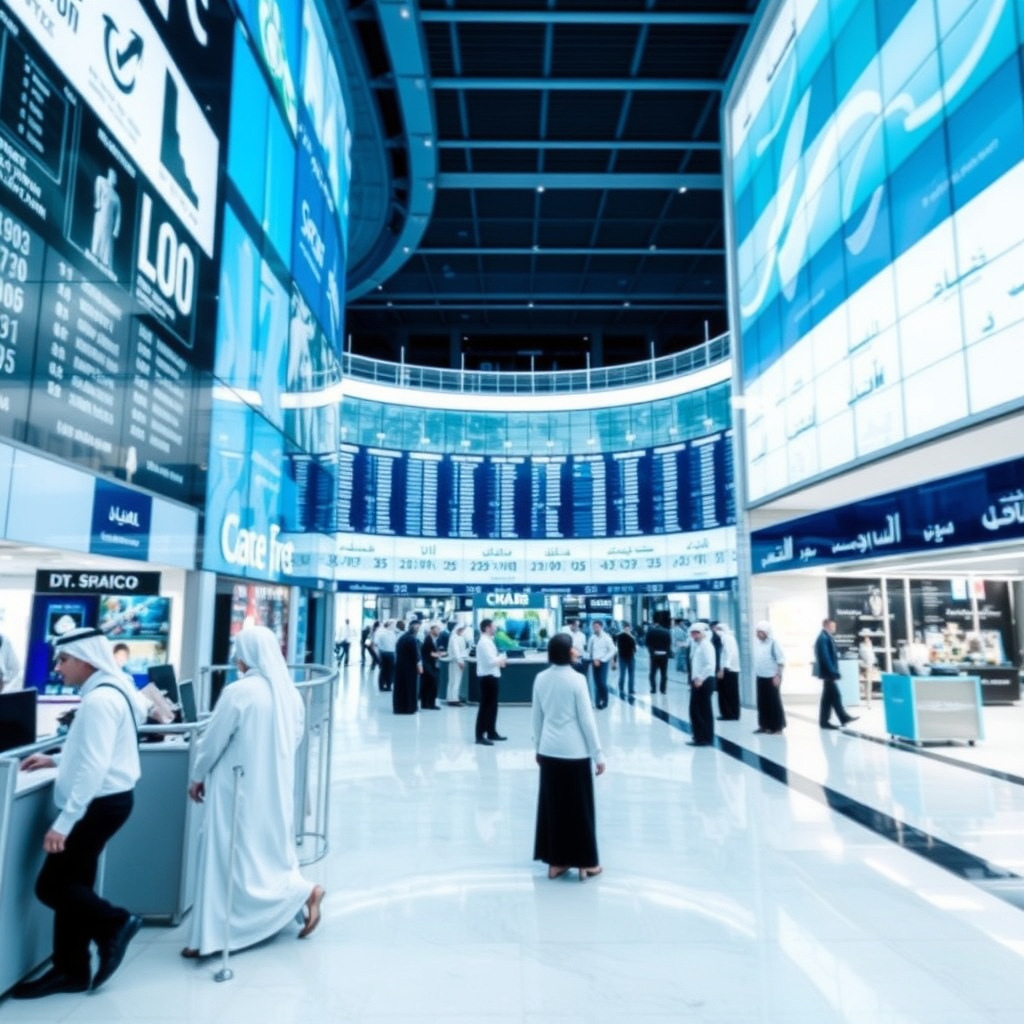
The nine‑day Eid Al Adha holiday period has become a pivotal sales window for retailers across the UAE. This year, Sharjah’s flagship exhibition centre has positioned itself at the centre of the festivities, offering shoppers discounts that reach as high as 75 percent on a wide range of products, from electronics and home appliances to fashion and cosmetics. Analysts see the event as a catalyst that could add a noticeable bump to the nation’s retail turnover, which has been on a steady climb since the pandemic’s end.
Retail Landscape During the Holiday Stretch
UAE retailers traditionally rely on the extended holiday calendar to clear inventory and attract price‑sensitive shoppers. The Sharjah exhibition amplifies this pattern by aggregating more than 200 brands under one roof, creating a one‑stop destination for bargain hunters. Early foot‑traffic estimates suggest that the venue will welcome upwards of 300,000 visitors over the nine‑day span, a figure that eclipses the average weekly footfall of most malls in the region.
Key factors driving this surge include:
- Deep price cuts , Discounts of 50‑75 percent are being advertised across major categories, prompting consumers to postpone purchases until the expo.
- Strategic timing , The exhibition opens on the first day of Eid, aligning with the cultural tradition of gifting and household replenishment.
- Enhanced accessibility , Free shuttle services from Dubai and Abu Dhabi, coupled with extended operating hours, lower the friction for cross‑emirate shoppers.
These elements combine to create a potent mix of supply‑side incentives and demand‑side enthusiasm, a formula that market watchers expect to translate into a double‑digit rise in sectoral sales for the period.
Economic Ripple Effects
Beyond the immediate boost to retail outlets, the expo’s impact ripples through several ancillary sectors. Logistics firms report a surge in freight bookings as merchants move inventory to meet the heightened demand. Hospitality operators near the exhibition site have already noted a rise in room occupancy, driven by out‑of‑town visitors who extend their stay to explore the city’s cultural attractions.
Financial analysts project that the heightened consumer activity could add roughly AED 1.2 billion to the UAE’s quarterly retail GDP contribution, a modest yet meaningful lift given the country’s broader diversification goals. The influx of spending also supports the nation’s ambition to position itself as a regional hub for experiential retail, where large‑scale events complement traditional mall formats.
Moreover, the expo’s emphasis on local and regional brands aligns with the UAE’s “Made in UAE” initiative, encouraging homegrown manufacturers to showcase their offerings alongside international names. This exposure may translate into longer‑term brand loyalty and export opportunities, reinforcing the country’s non‑oil economic pillars.
Looking Ahead: What Retailers Should Watch
While the Sharjah exhibition promises a short‑term sales spike, retailers must remain vigilant about post‑event inventory management. Over‑stocking can erode margins once the holiday rush subsides, especially if consumer sentiment shifts toward more cautious spending later in the year. Companies are advised to:
- Leverage data analytics to track real‑time sales trends and adjust pricing dynamically.
- Strengthen omni‑channel capabilities, ensuring that online platforms can capture demand from shoppers who prefer digital purchase paths.
- Monitor supply‑chain resilience, as any disruption could hamper the ability to restock popular items quickly.
The broader market will also be watching how the expo influences consumer confidence ahead of the upcoming fiscal year. A strong performance could signal robust discretionary spending, encouraging investors to allocate more capital to retail and consumer‑goods stocks listed on the DFM and ADX.
In summary, the Sharjah exhibition serves as a bellwether for the UAE’s retail health during one of the most significant cultural celebrations of the year. Its blend of deep discounts, strategic timing, and cross‑emirate accessibility is set to drive a measurable uplift in consumer expenditure. Stakeholders across logistics, hospitality, and finance will feel the reverberations, while retailers who balance aggressive promotions with disciplined inventory control stand to reap lasting benefits. The coming weeks will reveal whether this holiday‑driven surge can be sustained into the next quarter, shaping the outlook for the sector’s contribution to the nation’s diversified economy.