
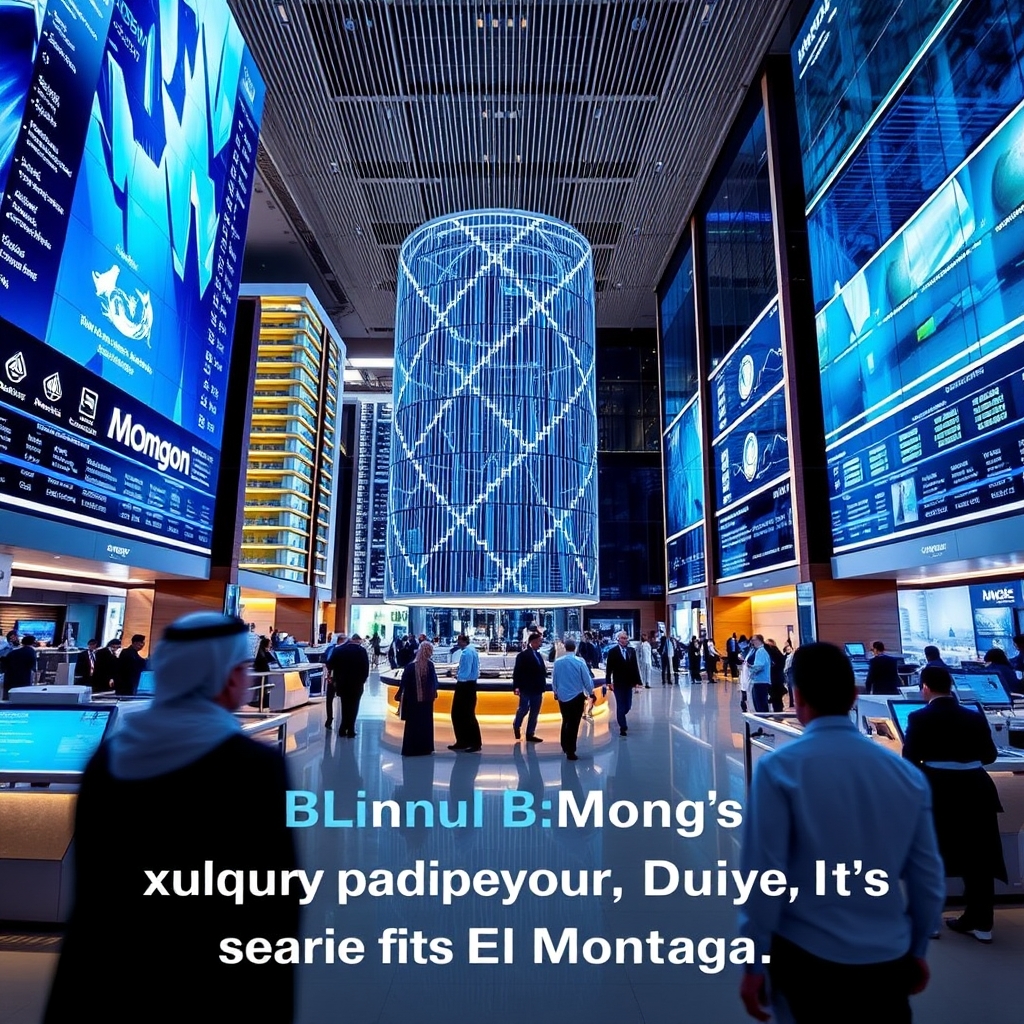
Abu Dhabi’s free‑zone operator Modon announced a joint venture with luxury hotel brand Montage to build a premium resort on the Red Sea‑front town of Ras El Hekma in Egypt. The project, slated to break ground later this year, represents one of the largest UAE‑sourced hospitality investments in the region since 2020. By positioning a high‑end destination at a relatively untapped Egyptian coastline, Modon aims to capture affluent leisure travellers from the Gulf, Europe and Asia, while expanding its own development pipeline beyond the domestic market.
Strategic Rationale for the UAE Investor
Modon’s core mandate is to develop industrial and logistics parks across the UAE and abroad. Diversifying into tourism aligns with the free‑zone’s broader objective to create revenue‑generating assets that are less cyclical than traditional manufacturing zones. The partnership with Montage, a brand known for boutique luxury properties, gives Modon instant credibility in the upscale hospitality segment.
Key factors driving the decision include:
- Geographic proximity , Egypt’s Red Sea resorts are a three‑hour flight from Dubai, making them attractive for short‑haul leisure trips for Gulf residents.
- Cost advantage , Land acquisition and construction costs in Egypt remain lower than comparable sites in the UAE, allowing higher profit margins for a luxury product.
- Regulatory incentives , The Egyptian government has introduced tax breaks and streamlined licensing for foreign developers, mirroring the incentives that have made UAE free zones successful.
The venture also supports the UAE’s strategic push to increase outbound tourism spend. According to the Ministry of Economy, Emirati tourists spent roughly AED 14.8 billion abroad in 2025, with a growing share directed toward luxury experiences. A home‑grown resort brand can capture a portion of that outflow by offering a comparable product within a short flight distance.
Expected Economic Impact
While the exact investment size has not been disclosed, industry analysts estimate the development will require USD 300‑350 million in capital, based on comparable projects in the region. The financial outlay is expected to generate several direct benefits:
- Job creation , Construction phases could employ up to 2,000 workers, many of whom will be sourced from the local Egyptian labour market. Post‑completion, the resort is projected to sustain 500‑700 hospitality staff, creating long‑term employment opportunities.
- Supply‑chain linkages , Modon’s existing network of UAE‑based contractors and material suppliers stands to win contracts for everything from steel fabrication to interior fit‑out, reinforcing cross‑border trade flows.
- Tourism spill‑over , A luxury offering is likely to attract high‑net‑worth visitors who spend more on ancillary services such as private yacht charters, desert excursions and fine dining, benefitting nearby Egyptian operators and, indirectly, UAE travel agencies that package the experience.
From a financial perspective, the project could deliver an internal rate of return (IRR) in the high‑teens, a figure that compares favourably with Modon’s traditional industrial park returns, which typically sit in the low‑teens. The higher margin reflects the premium pricing power of a Montage‑branded resort, which commands average daily rates (ADR) of USD 600‑800 in comparable markets.
Market Reception and Future Outlook
Initial market response has been positive. Regional travel operators have already expressed interest in adding the Ras El Hekma resort to their itineraries, citing a gap in luxury Red Sea options that cater to Gulf preferences for privacy, high service standards and family‑friendly amenities. Moreover, the project arrives at a time when Egypt’s tourism ministry reports a 12 % year‑on‑year increase in arrivals from the GCC, suggesting a ready customer base.
The venture also signals a broader trend of Emirati developers seeking growth outside the saturated domestic market. Over the past two years, UAE firms have announced a cumulative USD 5 billion in overseas real‑estate projects, ranging from mixed‑use towers in Saudi Arabia to logistics hubs in Morocco. Modon’s move into hospitality diversifies its portfolio and may encourage other free‑zone operators to explore similar cross‑border opportunities.
What to watch: The next six months will reveal how quickly the partnership can secure financing, finalize design plans and obtain the necessary permits from Egyptian authorities. Investors will monitor construction milestones, pre‑opening sales of villa units and the rollout of marketing campaigns targeting GCC travellers. Should the resort achieve its projected occupancy rates of 70 % within the first two years, it could set a benchmark for future UAE‑led luxury developments in North Africa and reinforce the UAE’s reputation as a hub for high‑value tourism investment.