

A decent proportion of startup founders have heard a common, dejecting phrase while pitching VCs: “You’re too early”.
But according to Rampersand cofounder and managing partner Paul Naphtali, copping this particular brand of rejection is rarely just about timing. This is becoming all the more prevalent in a tighter funding market where risk is being scrutinised more closely.
Sometimes it’s a nicer way of rejecting someone. But it can also point to an issue with the product or pitch.
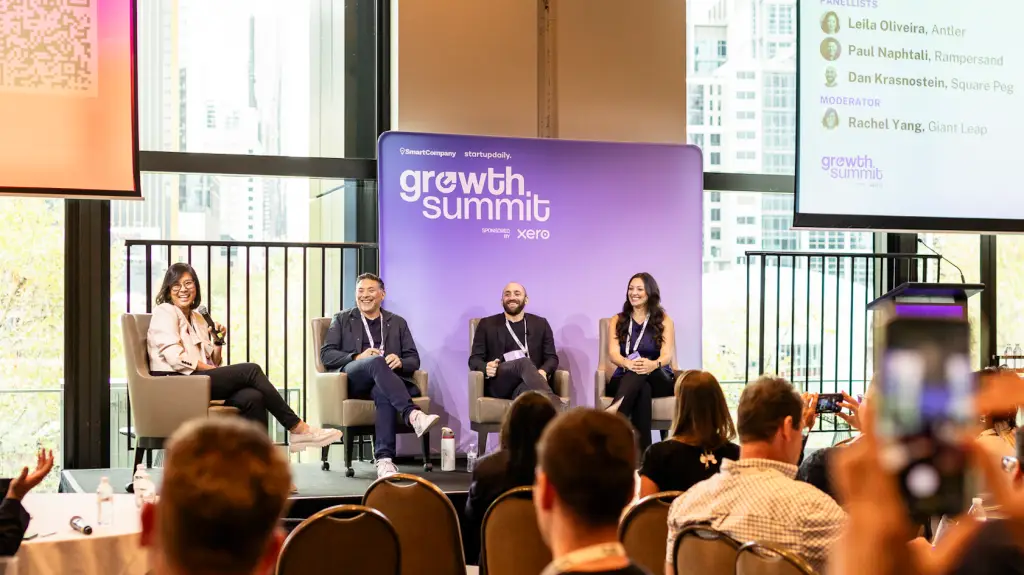
“’Too early’ is a product of something’s missing,” Naphtali said during an investor panel at SmartCompany and Startup Daily’s Growth Summit in Melbourne this week.
“It’s also a code for ‘we don’t necessarily fit… and I don’t want to have a long conversation’.”
Naphtali said that he tries to never just say no, and he does try to avoid the dreaded ‘too early’ excuse.
“You should never hear that, but sometimes it sneaks out because we’re just busy or don’t want to get into a debate.”
He went on to say that founders deserve an investor who believes in the business, but that it can be “very hard to say to people who put [their] heart and soul into a business, ‘it’s not for me’”.
No isn’t forever
That said, Napthali began the session recounting the story of leading 2024’s $5.1m Seed round for Restoke, an AI-powered restaurant management platform.
As the VC recounts, he met founders Assaf Stizki and Ken Brand two years earlier, loved their ambition and backgrounds, but was a little sceptical on their ability to deliver on their plans.
But when duo came back to show Rampersand they had, the investment became a “no-brainer” because they were founders doing the impossible.
So the lesson is, yes you can be literally too early. But then it’s up to you what happens next. And as the four venture investors confessed, an initial “no” has changed to a “yes” down the track several times for them all.
Naphtali went through some of the things startups should be thinking about regarding what could be missing.
“What is in the stack that you aren’t demonstrating now? How do you demonstrate it?”
“And so if we make the comment ‘you’re too early’, it might mean that we can’t get confidence that you have thought about X, or that you’re in a position to have a new, resilient plan to move through these challenges,” he said.
“We’re just trying to get a sense of how you think about it and how you think of these moving parts together? How do you think about what you obsessively have to do first to earn the right to do the next thing, and the next thing, and the next thing?”
Push for clarity
That doesn’t mean founders should walk away from the conversation entirely. Naphtali said it’s reasonable to push for clarity, but to “not be offended if you get an answer that’s maybe not that helpful”.
“We try really, really hard. When you see 20,00 people, your portfolio is 45 companies, you’re just trying to also be efficient,” he said.
But both Naphtali and fellow panelist Dan Krasnostein, a partner at Square Peg, said they have watch lists for startups and founders, and will say to keep in touch if they see potential.
“So typically, if you’re on our watch list, you will hear from us as well, and we’ll be sending you a lead, or we’ll say to your question about something that’s going on, or observation or something else. And so we like to show value during that period of time,” he said.
- Additional reporting by Simon Thomsen

