

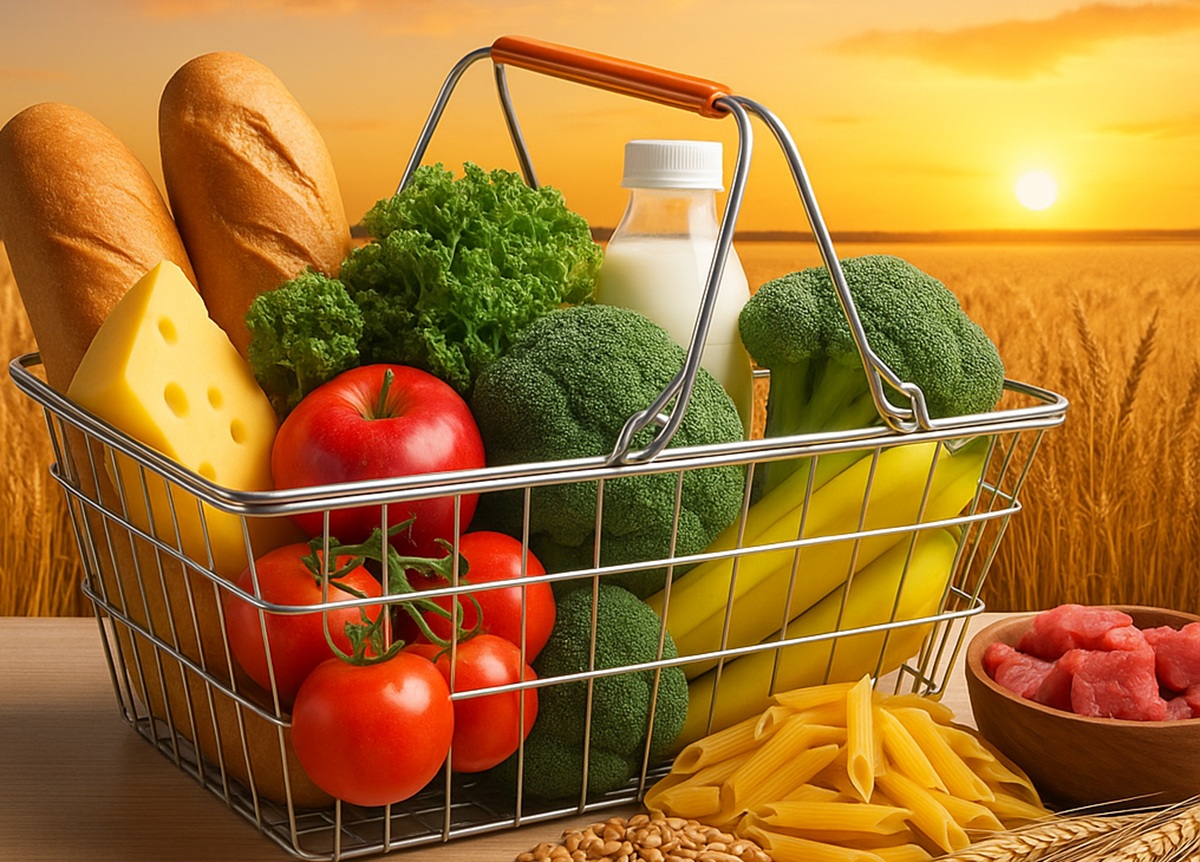
GCC food consumption is forecast to grow by 4.6 million metric tonnes (MT) to 55.5 million MT by 2029, according to the latest GCC Food Industry Report from UAE-based investment banking advisory firm Alpen Capital.
The report highlights that while rising populations will continue to drive overall demand, changing consumer preferences, greater nutritional awareness, and healthier eating habits will increasingly shape what people eat.
This shift is expected to create opportunities and challenges for food operators across the region.
GCC food consumption
Sameena Ahmad, Managing Director of Alpen Capital, said: “Food consumption in the GCC is projected to grow on the back of demographic expansion, rising spending power and burgeoning tourism activity.
“National strategies and shifting dietary preferences toward health-conscious alternatives are collectively reshaping the sector. Food producers and service providers are diversifying their offerings by adopting digital and operational innovations to meet the evolving needs of their consumers.”
Sharmin Karanjia, Executive Director at Alpen Capital, said: “The GCC food industry is experiencing an upward trend for convenience and tech-enabled services such as online food delivery, health apps, and cloud kitchens.
“Demand for healthier, fresh, and nutrient-rich foods, including organic and clean-label options, is driving investment and innovation across the GCC’s food sector.”
Key Forecasts to 2029
- GCC food consumption to grow at a CAGR of 1.7 per cent from 50.9m MT in 2024 to 55.5m MT in 2029
- Cereals to record the highest CAGR at 1.9 per cent, followed by fish, eggs, pulses, honey, potato, oils and fats at 1.8 per cent
- Other major categories — vegetables, milk/dairy, fruits and meat — will grow at similar rates
- Saudi Arabia and the UAE will remain the largest food-consuming nations, together reaching 73.8 per cent of total GCC food consumption by 2029
- Oman will post the highest CAGR at 3.8 per cent, followed by Bahrain at 3.3 per cent
The report notes that the GCC’s heavy reliance on food imports exposes the region to supply chain disruptions, price volatility, and geopolitical risks.
Limited arable land, scarce water, and harsh climates also constrain domestic production, making self-sufficiency a persistent challenge.
Governments are investing heavily in agritech, vertical farming, hydroponics, and smart agriculture, while also acquiring overseas agricultural land to diversify supply chains. Food waste reduction is another strategic priority.
Health-conscious consumption is becoming a defining trend, driven by rising rates of obesity, diabetes and lifestyle-related diseases.
Consumers are demanding low-sugar, high-protein, organic and plant-based options, prompting manufacturers to expand health-focused product portfolios.
The sector is also being transformed by digital ordering, quick-commerce apps, cloud kitchens, and smart supply chains, with consolidation expected to accelerate in agritech, digital F&B, and last-mile delivery.
