


We love to say communication is a defining skill of great leadership.
Terms like radical candour, transparency and stakeholder alignment have found their way into almost every senior job description and LinkedIn commentary about what it means to be a ‘true leader’.
In startups especially, culture is often framed as a competitive advantage – and leaders are told that culture lives or dies by how they communicate.
And yet women – who disproportionately carry the communication and emotional labour within organisations – rarely move into the top jobs.
Truth behind the stats
The ninth annual Chief Executive Women Senior Executive Census found that around nine out of 10 CEO positions in Australia are still held by men.
At the same time, women are far more likely to occupy roles where facilitation, alignment and relational intelligence are central to the work. A 2022 AHRI survey found that women account for 84 per cent of HR practitioner roles, and change and communication functions are also predominantly female.
So is this really about innate ability? Are women simply better communicators? Or have we built workplaces where communication is feminised, expected and undervalued – while other traits are elevated as leadership material?
I don’t think this is simply about natural wiring.
In the organisations I work with, I see a familiar, undeniable pattern: from day one of their careers, women are more often relied upon for their empathy and care for team dynamics.
They quickly become the people both men and women turn to when communication starts to fracture, stepping in and holding things together.
And yet, carrying the emotional load is rarely what earns influence or decision-making power in business. It’s no surprise then that women are overrepresented in people-focused roles and underrepresented in executive positions.
So while we say communication is a hallmark of great leadership, in practice, leadership is still measured through commercial performance, technical authority and public profile.
In high-growth startups especially, those who control revenue and steer product direction are the ones who advance.
When power is measured this way, communication is often treated as a “nice-to-have.”
This is why I reject the label of communication as a “soft skill.” That term reinforces the idea that communication is merely supportive rather than strategic. In reality, a leader’s communication style can determine whether teams hold together under pressure – and how well they perform.
History offers a recent example.
Look to New Zealand
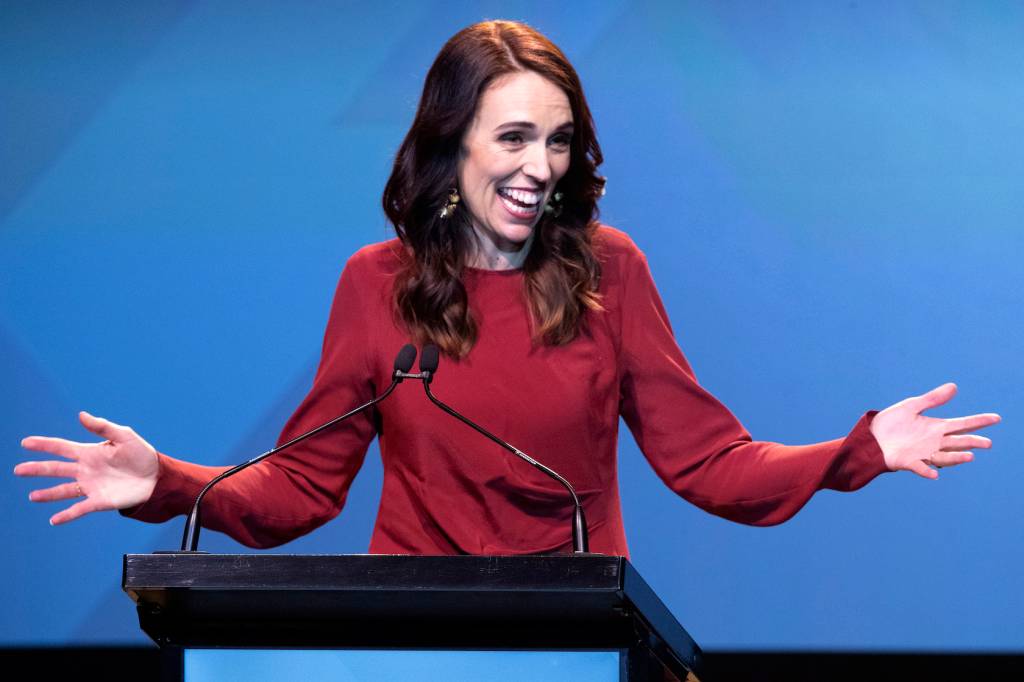
Former New Zealand Prime Minister Jacinda Ardern became globally recognised for leading with empathy and clarity during moments of national crisis. Those qualities steadied public sentiment and unified communities.
Yet her leadership style was often contrasted with more traditional, hard-edged models of authority, as though empathy and strength sit at opposite ends of the spectrum.
They don’t.
While the stakes are different, startups also depend on leaders who can communicate clearly in times of uncertainty. Growth, restructuring, funding rounds and rapid change test a leader’s ability to maintain trust and alignment. In these environments, communication determines whether strategy translates into action or stalls in confusion.
Rewarding those who deliver
That’s why, this International Women’s Day, the theme of ‘Balance the Scales’ should push us to ask more than who sits in the top job. It should push us to reconsider how we define leadership in the first place.
If communication truly drives performance, it belongs at the centre of leadership. That means embedding communication capability into promotion criteria. It also means valuing – and making visible – the leaders who create clarity and build cohesion across teams, understanding that growth depends on it.
We already say communication defines great leadership. The real question is whether our business structures and promotion decisions reflect it.
Each leadership appointment signals what is rewarded and who will rise. Over time, those signals accumulate.
Now it’s over to you: What signal are you sending about what great leadership looks like in your business?
