

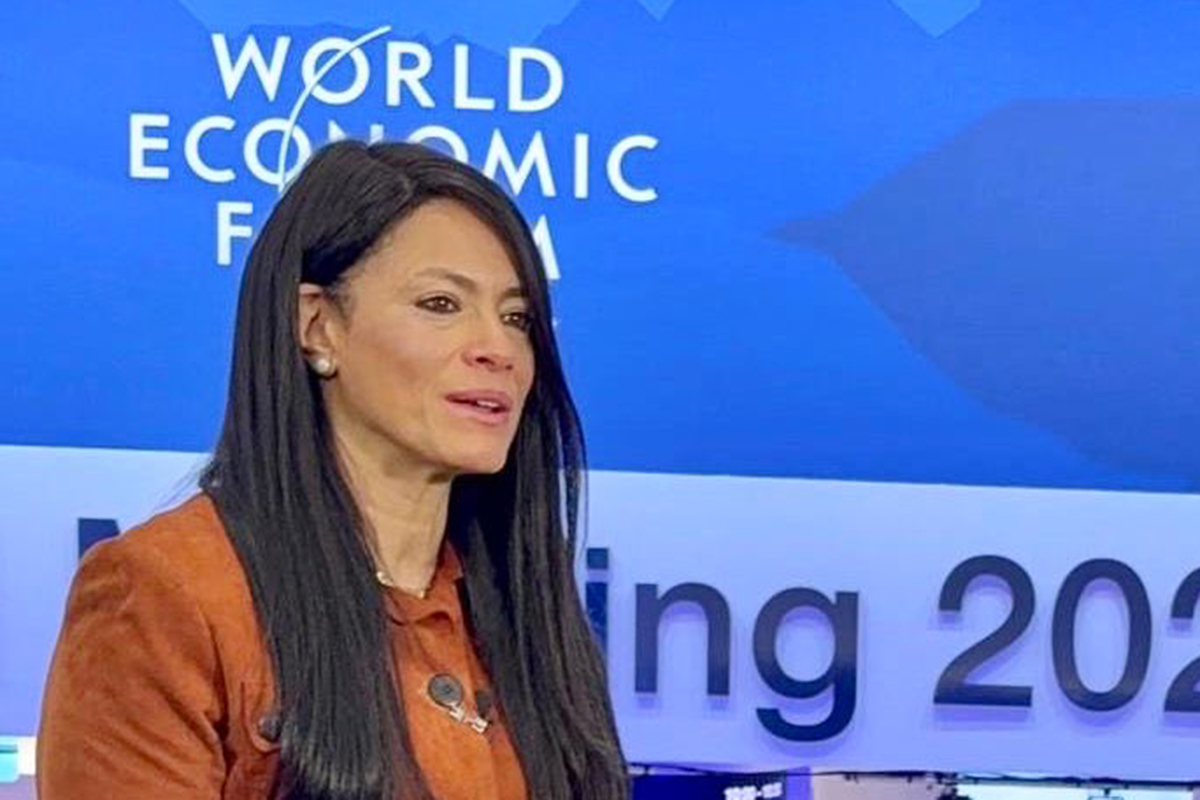
Egypt’s economy is showing clear signs of recovery, underpinned by diversified growth and structural reforms, according to Rania Al-Mashat, Minister of Planning, Economic Development and International Cooperation.
Speaking on the sidelines of the World Economic Forum in Davos in an interview with CNBC Arabia, Al-Mashat said Egypt recorded economic growth of 5.3 per cent in the first quarter of the 2025/2026 fiscal year, exceeding expectations and signalling a recovery in the real economy. She noted that the country ended the 2024/2025 fiscal year with growth of 4.4 per cent.
The stronger performance was driven by a rebound in the industrial sector alongside continued momentum in tourism, communications and information technology. Al-Mashat said tourism recorded a marked increase in arrivals and revenues, reaching unprecedented levels, and stressed that growth had become more balanced and less dependent on any single sector.
She added that the real economy is benefiting from the cumulative impact of ongoing reforms, creating broad-based momentum and laying the groundwork for a stronger economic take-off.
Al-Mashat also highlighted renewed activity in the Suez Canal as a positive development for growth indicators. She said the canal made a positive contribution to gross domestic product in the first quarter of the current fiscal year after two years of negative impact, with further improvement expected in the second quarter as major global shipping companies resume transit.
The canal, which handles around 12 per cent of global trade, plays a critical role in global supply chains, she said. Stable navigation contributes to lower transport costs and helps curb global inflationary pressures, delivering benefits beyond Egypt to the wider international economy.
Strategic vision for development
Turning to Egypt’s longer-term strategy, Al-Mashat outlined the pillars of Egypt’s Narrative for Comprehensive Development, describing it as an integrated framework that extends beyond economic and fiscal policy to include social dimensions such as education, healthcare and social protection. She said the second edition of the Narrative includes a dedicated focus on human development, placing citizens at the centre of the reform agenda.
The minister said the government has, for the first time, publicly announced a detailed list of policies and measures under the National Structural Reforms Programme, complete with implementation timelines and performance indicators. The programme focuses on macroeconomic stability, improving competitiveness and supporting the green transition.
Al-Mashat said the government is also working to govern public investment in order to expand the role of the private sector. The private sector currently accounts for around 65 per cent of total investment, with a target to exceed 70 per cent by 2030.
She added that tradable sectors, including tourism, agriculture, energy, manufacturing and information technology, are central to this approach, noting a strong resurgence in industrial activity reflecting growing investor confidence and Egypt’s strategic position linking Africa and Europe.
Concluding her remarks, Al-Mashat said the ultimate aim of reform is to improve quality of life through sustainable growth, job creation and stronger public services, aligning with the World Economic Forum’s theme of “A Spirit of Dialogue”.
