


When people think of Dubai, most imagine the soaring silhouette of the Burj Khalifa, the magnificence of Palm Jumeirah, and the world’s most luxurious shopping malls. The city is known for its modern architecture and global vision, yet behind this glittering lifestyle lies another Dubai. This Dubai is found beyond the skyscrapers, hidden in villages and souks that carry traces of the past and history. Traditional districts such as Al Fahidi preserve the city’s cultural identity and reveal to visitors the true spirit and history of Dubai. Let us take a closer look at these historical and cultural treasures. You can visit DubaiVerse.io to learn more about what’s happening in Dubai and to follow the latest news in detail.
Where Time Stands Still: Al Fahidi
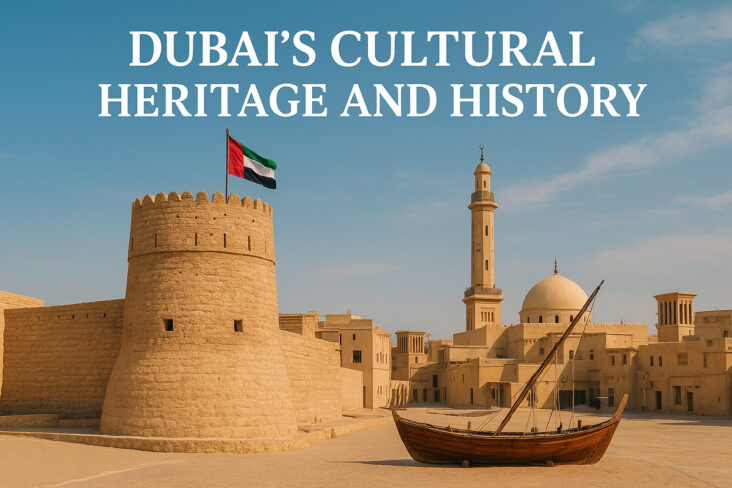
The Al Fahidi Historical District is one of Dubai’s oldest neighborhoods. Its narrow alleys, houses adorned with wind towers, and traditional architecture transport visitors back in time. Walking here, one does not feel the grandeur of skyscrapers but rather the silence and serenity of history. The importance of Al Fahidi lies not only in its architecture but also in its cultural life. Art galleries, museums, and cultural centers narrate the stories of the Emirati people from past to present. For tourists, this district offers a chance to discover Dubai’s roots beyond its modern face. Traditional history and heritage are embedded in every step and corner of Dubai.
Forgotten Villages
Around Dubai, there are small villages that have gradually been forgotten. These settlements carry traces of nomadic life and the bond with the sea. Located in the desert, they once bore witness to communities that lived through fishing, pearl diving, and camel breeding.Today, many of these villages are abandoned, but some are being revived through cultural heritage projects. The old houses, mosques, and marketplaces in these villages remind us of the values lost during Dubai’s rapid modernization.
The Heart of Trade
Dubai’s historic souks reflect the city’s trading past. The Gold Souk in Deira has for centuries been a hub for buying and selling precious metals and jewelry. The Spice Souk, meanwhile, is filled with aromas from India, Iran, and Africa.These souks are not merely places of commerce but also cultural meeting points. The voices of merchants, the excitement of bargaining, and the fragrance of spices bring Dubai’s historic trade life into the present. For tourists, these souks offer a far more authentic experience than modern shopping malls.
Is Cultural Heritage Important?
Of course, it is. Every city and country has its own heritage, which reflects its unique importance and beauty. Dubai’s forgotten villages and historic souks are elements that preserve the city’s identity. Many traditions have faced the risk of disappearing during the modernization process. Yet these areas allow Emirati people to remember their roots and give tourists the opportunity to see the true face of Dubai. Cultural heritage is not only about preserving the past but also about guiding the future. Districts like Al Fahidi pass cultural values on to younger generations and serve as a balance in the city’s rapid transformation.
Traditional Dubai
Most tourists visiting Dubai focus on modern attractions. However, those who explore traditional areas discover a completely different side of the city. Walking through the narrow streets of Al Fahidi, bargaining in the Spice Souk, or opening the door of an old house in a forgotten village allows visitors to feel the soul of Dubai. These experiences show that Dubai is not only about luxury and grandeur but also about a deep-rooted culture.
Modernity and Tradition
Dubai’s greatest achievement lies in the balance it has created between modernity and tradition. On one side, the world’s tallest buildings rise, while on the other, historic districts are preserved. This balance enriches the city’s identity.
Areas like Al Fahidi serve as a pause against the speed of modern Dubai. Here, time slows down, people remember the past, and cultural values regain meaning.
Dubai’s forgotten villages, historic souks, and traditional architecture are the most important parts of the city’s cultural heritage. Beyond the modern skyscrapers, these areas reflect Dubai’s true identity. The narrow streets of Al Fahidi, the spice-filled souks of Deira, and the silent villages of the desert carry the city’s past into the present. For tourists, these areas are the most effective way to discover the spirit of Dubai. For the local community, they symbolize the preservation of heritage and its transmission to future generations. In short, Dubai’s vision is not only about modernization but also about maintaining its connection to the past. Forgotten villages and historic souks lie at the heart of this vision. They remind us that Dubai is not just a tourist destination but also a living culture and an impressive history.
Contributed by GuestPosts.biz
